She Thought Her Father Left Her Nothing—Then His Forgotten Letter Exposed the Family That Had Stolen Her Life
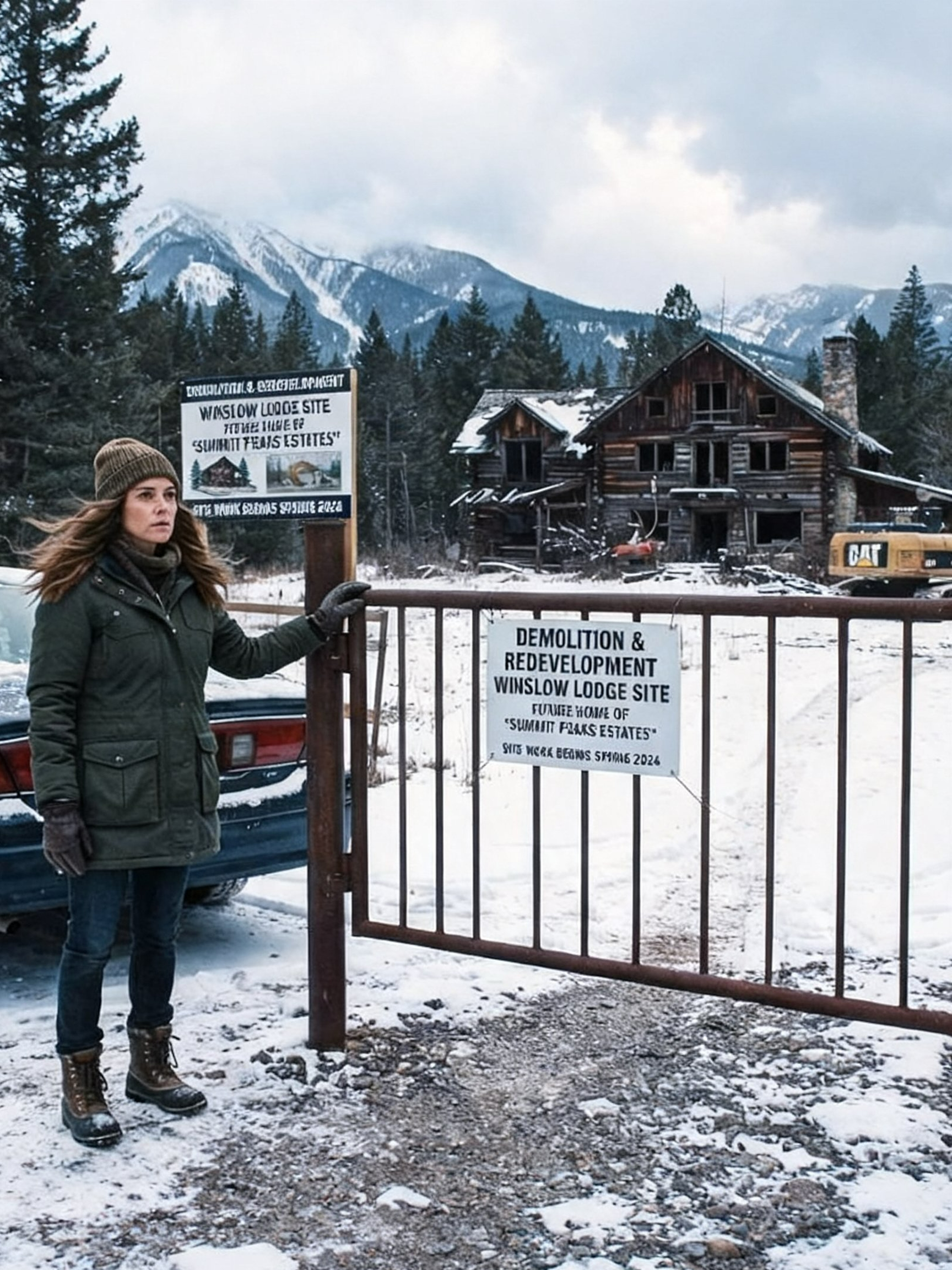
She Thought Her Father Left Her Nothing—Then His Forgotten Letter Exposed the Family That Had Stolen Her Life
“You have three days to get your things out.”
Those were the first words my brother said to me after our father’s funeral.
Not “Are you okay?”
Not “Dad loved you.”
Not even “I’m sorry.”
Three days.
That was apparently the price of thirty-two years spent holding our family together.
I stood in the kitchen of the house where I had changed our father’s bandages, cooked his meals, sorted his prescriptions, carried him to the bathroom when his legs stopped cooperating, and slept on the couch for eleven straight months because his bedroom door had to remain open at night.
My brother, Daniel Mercer, stood across from me in a charcoal suit that probably cost more than my car.
His wife, Vanessa, leaned against the marble island with her arms folded.
My younger sister, Lauren, sat at the breakfast table scrolling through her phone.
Dad had been buried four hours earlier.
His coffee mug was still beside the sink.
And they were discussing me like expired furniture.
Daniel slid a manila folder across the counter.
“The estate paperwork is straightforward,” he said. “Dad left the company shares to me, the investment portfolio to Lauren, and the house to both of us jointly.”
I looked at the folder.
I didn’t touch it.
Vanessa smiled.
It was not a kind smile.
“You knew this was coming, Claire.”
I looked at her.
Her smile widened slightly.
“Well, what did you expect? You haven’t exactly built a life.”
There it was.
Lauren finally looked up from her phone.
“What?” Vanessa said. “We’re all adults.”
Then she turned toward me again.
“You stayed here because it was convenient. Let’s not rewrite history and pretend you sacrificed some glamorous career.”
Daniel said nothing.
That hurt more.
Because he knew.
He knew I had been accepted into a graduate architecture program in Boston when I was twenty-four.
He knew Dad had his first stroke six weeks before I was supposed to leave.
He knew Daniel had just moved to Chicago for his investment job and said he couldn’t come home.
He knew Lauren had been twenty-one and “needed to figure herself out.”
He knew Mom had already been dead three years.
He knew I was the one who stayed.
He knew I had worked freelance design jobs at night while managing Dad’s rehabilitation appointments during the day.
He knew that when Dad recovered enough to return to the office, I never went back to the life I had planned because somebody always needed something.
A hospital ride.
A tax document.
A contractor.
A grocery run.
A medication refill.
A Christmas dinner.
A birthday cake.
Always a crisis.
And somehow the person who solved every crisis had become the person they called unsuccessful.
I looked at Daniel.
He avoided my eyes.
That told me everything.
Vanessa pushed away from the island.
“The realtor is coming Thursday morning.”
Three days.
“You already hired a realtor?” I asked.
Daniel cleared his throat.
“We’ve had preliminary conversations.”
“Before Dad died?”
Lauren stared at her phone again.
That was answer enough.
Vanessa stepped closer.
“We need to be practical. This house is worth almost three million dollars. Daniel and Lauren shouldn’t have to leave that much capital sitting idle because you’re emotionally attached.”
I looked around the kitchen.
Dad had designed it himself twenty-seven years earlier.
White oak cabinets.
Green stone counters.
A breakfast nook facing the sycamore trees.
Mom used to make pancakes there every Sunday.
Dad used to burn bacon every Christmas morning.
After Mom died, he had sat in that breakfast nook one night and cried into both hands while pretending I couldn’t hear him.
I had never told anyone about that.
Some grief deserved privacy.
Apparently some loyalty deserved nothing.
“How long?” I asked.
Daniel frowned.
“How long what?”
“How long have you been planning to sell?”
He sighed, irritated now.
“Claire, don’t make this dramatic.”
That sentence almost made me laugh.
Not because it was funny.
Because people always accuse the quiet person of creating drama when she finally asks what everyone else has been doing behind her back.
“Three days.”
Daniel relaxed.
He thought I was surrendering.
Vanessa did too.
I could see it immediately.
Her shoulders loosened.
Lauren returned to scrolling.
Daniel reached for the coffee maker like the unpleasant administrative matter had been resolved.
“Three days,” I repeated.
Then I picked up the folder and walked upstairs.
None of them noticed that I never opened it.
None of them asked why I wasn’t crying.
None of them understood that the moment a woman stops defending herself is not always the moment she has lost.
Sometimes it is the moment she has finally started counting.
I had three duffel bags.
That was all I needed.
Most of my furniture had belonged to Dad anyway.
Most of my clothes fit into one closet.
My life, when reduced to objects, was embarrassingly small.
A few sweaters.
Work folders.
Mom’s recipe cards.
A ceramic horse Dad bought me at a roadside store in Wyoming when I was twelve.
My architecture sketchbooks.
A box of photographs.
And one old red scarf that still smelled faintly of cedar because Mom used to keep it in the hall closet.
I packed without making noise.
Downstairs, I could hear Vanessa discussing staging furniture with somebody on speakerphone.
“The formal dining room is dated,” she said.
I stopped folding a sweater.
That table had been built by my grandfather.
Mom had refinished it herself.
Dad had carved a tiny C into the underside when I was seven because I was afraid Daniel would someday inherit everything and I wanted one thing in the house marked as mine.
I had forgotten about that until now.
Strange what humiliation unlocks.
Around nine that night, I went into Dad’s study.
Daniel had already been through it.
Drawers hung open.
File cabinets were unlocked.
The safe behind the painting had been emptied.
His desk looked violated.
That was the only word for it.
Dad had been a private man.
Not secretive.
There was a difference.
He founded Mercer Development when I was six years old, starting with one landscaping crew and a borrowed pickup truck.
By the time I was thirty, Mercer Development owned commercial properties throughout Pennsylvania, Maryland, and northern Virginia.
Dad never lived like a tycoon.
He drove Ford trucks.
Bought grocery-store coffee.
Fixed his own porch railings.
But the company had grown large enough that Daniel spent half his adult life introducing himself as “the founder’s son.”
I never did.
I was just Claire.
The daughter who knew which knee hurt when it rained.
The daughter who knew he hated lavender detergent.
The daughter who knew he still talked to Mom when he thought nobody was listening.
I sat in his leather chair.
For several minutes, I did nothing.
Then I noticed the desk drawer.
Not the obvious center drawer.
The narrow one on the lower left.
It would not close completely.
I pulled it out.
Nothing unusual.
Paper clips.
A flashlight.
An old tape measure.
I pushed it in again.
It stopped half an inch short.
I pulled harder.
The whole drawer came free.
Something metallic struck the floor.
A faded blue paper tag was tied around it with string.
On the tag, Dad had written one word.
I stared at it.
Mercer Development owned no mill.
At least none that I knew about.
I turned the tag over.
Three numbers were written on the back.
Then I noticed something else inside the cavity behind the drawer.
An envelope.
Folded once.
My name was written across the front.
Not written by a lawyer.
Dad’s handwriting.
My fingers suddenly felt cold.
I sat on the floor beside the desk.
For the first time all day, my composure almost broke.
I opened the envelope carefully.
Inside was a single sheet of paper.
If you are reading this, either I finally found the courage to explain everything, or I ran out of time.
I hope it is the first.
I fear it will be the second.
There are things about this family you do not know.
There are things about the company Daniel does not know.
There are things I deliberately made certain nobody could touch while I was alive.
And there are things only you can protect after I am gone.
Do not confront Daniel.
Do not confront Lauren.
Do not trust anyone who tells you the estate has already been settled.
Take the brass key.
Go to First Commonwealth Storage on Highway 19.
Locker 417.
Inside you will find another letter.
Before you open anything else, call the number written beneath my signature.
Do not let anyone from Mercer Development know what you have found.
And Claire—
If they tell you I left you nothing, let them believe it.
For a little while.
Under his signature was a phone number.
I read the letter three times.
Then I heard footsteps in the hallway.
I folded it immediately and slid it inside my sweater.
Daniel appeared in the doorway.
“What are you doing?”
“Saying goodbye.”
His gaze moved around the room.
“To the furniture?”
Daniel’s face hardened.
“Don’t start.”
“I didn’t.”
For some reason, that unsettled him.
He leaned against the doorframe.
“I know you think this is unfair.”
I looked at him.
He continued.
“But Dad made choices. We have to respect them.”
“Of course.”
“You’re not going to fight the will?”
His eyebrows moved slightly.
He had expected resistance.
Maybe tears.
Maybe anger.
Instead I smiled faintly.
“Why would I fight what Dad wanted?”
Daniel studied my face.
Then he nodded slowly.
Before leaving, he said, “Vanessa thinks we should change the locks Friday.”
“Then you should.”
He hesitated again.
For years, my family had understood me through my usefulness.
Claire would help.
Claire would fix it.
Claire would forgive.
Claire would explain.
Claire would absorb the insult and show up with casserole anyway.
They did not know what to do with Claire who simply nodded.
They did not know what to do with a woman who had stopped pleading for her place at the table.
That night I did not sleep.
At five-thirty the next morning, before anyone woke, I drove twelve miles south on Highway 19.
First Commonwealth Storage was a long brick building behind an auto-parts warehouse.
A sleepy college student worked the front desk.
I gave him the locker number.
He asked for identification.
When I showed him my driver’s license, he checked the computer.
“Yeah. You’re listed.”
“Since when?”
“Twenty-one years.”
I stared at him.
“Excuse me?”
“Looks like the rental agreement was prepaid through a trust.”
Twenty-one years.
Dad had created the locker when I was sixteen.
The student handed me a clipboard.
Locker 417 was not a walk-in storage unit.
It was a private document vault.
The brass key fit.
Inside sat a gray metal box.
Nothing else.
I carried it to a small privacy room near the lobby.
The box held four things.
A sealed envelope.
A black notebook.
A flash drive.
And a photograph of my mother.
She looked about thirty-five.
She was standing in front of a brick industrial building beside a river.
Written on the back were four words.
Eleanor’s first property. 1991.
I had always been told Mom was a school librarian before she married Dad.
My hands shook as I opened the second envelope.
Call Margaret Ellis before you continue.
Trust me this one last time.
I dialed the number from the first letter.
A woman answered on the second ring.
“My name is Claire Mercer.”
Then the woman exhaled.
“Oh, thank God.”
I nearly dropped the phone.
“You know who I am?”
“I’ve been waiting for this call for eight years.”
“Who are you?”
“My name is Margaret Ellis. I was your mother’s attorney.”
I sat very still.
“My mother had an attorney?”
“Because your mother owned property.”
I looked at the photograph.
“What property?”
There was another pause.
“Claire, I would prefer to explain this in person.”
Normally I would have demanded answers.
Instead I heard Dad’s warning.
Do not confront anyone.
Do not trust anyone who tells you the estate has already been settled.
So I asked one question.
“Did my father leave me nothing?”
Margaret’s answer came immediately.
I closed my eyes.
“How much?”
“You’re asking the wrong question.”
My eyes opened.
“What should I be asking?”
“What was taken from your mother before you were old enough to know it existed?”
That was the moment the story changed.
Until then, I had believed I was dealing with an inheritance.
I was wrong.
I was dealing with a theft that had lasted most of my life.
Margaret’s office was in Pittsburgh, two hours away.
I drove there directly.
She was seventy-one, silver-haired, straight-backed, dressed in a navy suit that looked as if it had been ironed that morning.
She did not hug me.
I appreciated that.
People who barely know you should not manufacture intimacy simply because they possess painful information.
She offered coffee.
I declined.
Then she placed three binders on the conference table.
“Your mother’s maiden name was Eleanor Reed.”
“What you may not know is that the Reed family owned Reed Textile Works.”
I stared at her.
Everyone in western Pennsylvania knew Reed Textile Works.
Or at least the ruins of it.
The company had once operated mills along the Allegheny River.
By the late 1980s, most had closed.
The family disappeared from local business history.
“I thought that company went bankrupt.”
“Parts of it did.”
She opened the first binder.
“Your grandfather, Samuel Reed, liquidated the operating business. But he retained approximately six hundred and forty acres of industrial property, river access, mineral rights, water rights, rail easements, and several warehouses.”
I stared down at maps.
Highlighted parcels stretched across three counties.
“Your mother inherited forty-nine percent.”
I almost laughed because the number made no sense.
“My mother worked at a library.”
“Your mother chose to work at a library.”
Margaret pushed the photograph toward me.
“That did not make her poor.”
I thought of Mom clipping coupons.
Driving a ten-year-old station wagon.
Sewing buttons onto Daniel’s shirts.
Buying generic cereal.
“Why would she hide this?”
“She didn’t, originally.”
Margaret opened another binder.
“When she married your father, the Reed properties were distressed assets. Contaminated soil. Abandoned structures. Tax liens. Your mother believed the land should be rehabilitated rather than sold to speculators.”
That sounded exactly like her.
Mom used to rescue broken chairs from curbs because “things deserve a second chance if the bones are good.”
Margaret continued.
“Your father had construction experience. Your mother had land. Together, they began redeveloping parcels.”
My throat tightened.
“Mercer Development.”
The name hit me differently now.
Not Mercer-Reed.
Not Reed Development.
I had always believed Dad built it alone.
Margaret’s expression changed.
“There were disagreements.”
“What kind?”
“Your father was ambitious. Your mother was cautious. She wanted profits reinvested into local housing and environmental remediation. He wanted expansion.”
I thought of Dad.
Hardworking.
The dead become easy to simplify.
Saint or villain.
But real people resist clean categories.
“What happened?”
“In 1998, your mother discovered that several parcels she owned personally had been used as collateral for company debt without her full understanding.”
“Dad stole from her?”
Margaret chose her words carefully.
“He crossed lines.”
That hurt worse than yes.
Because euphemisms are usually built around truths too ugly for a room.
“She considered divorce,” Margaret said.
My stomach turned.
“I never knew.”
“You were thirteen. Daniel was sixteen. Lauren was nine. Eleanor did not want you involved.”
“What stopped her?”
I looked at her sharply.
Mom died from ovarian cancer when I was twenty-one.
But she had been diagnosed years earlier.
“She got sick?”
“The first diagnosis came in 1999. Early-stage. Treatment was successful initially.”
Mom had told us it was a cyst.
I remembered.
She had disappeared for a week.
Dad said she was having “women’s surgery.”
I had brought her orange Popsicles in bed.
Margaret pulled another document forward.
“Your mother restructured her property ownership after that.”
I read the heading.
THE ELEANOR REED LAND CONSERVANCY TRUST.
“She put the land into a trust?”
“Some of it.”
“For whom?”
Margaret looked directly at me.
My hands went numb.
“She trusted your temperament.”
The sentence broke something inside me.
Not loudly.
For thirty-two years I had been told my temperament was my weakness.
Too patient.
Too willing to compromise.
Dad used to joke that Daniel could sell a refrigerator to an Eskimo, Lauren could charm the Eskimo, and Claire would worry whether the Eskimo needed groceries.
My family laughed every time.
My mother apparently had not been laughing.
Margaret turned another page.
“Your mother believed Daniel loved the business too much. She worried Lauren could be influenced by whoever was closest to her. She believed you understood stewardship.”
I swallowed.
“What exactly is in the trust?”
“That is where things become complicated.”
She spread several maps across the table.
“Your father’s company expanded primarily through a network of developments built on or around original Reed property.”
“So the trust does not merely own isolated parcels.”
Her finger moved across the maps.
“It controls access.”
Another map.
“Utility easements.”
“Rail freight rights.”
“Subsurface rights.”
“River frontage.”
Then she tapped a cluster of red markings.
“And several parcels underneath projects Mercer Development currently claims as wholly owned.”
I stared at her.
“How much is it worth?”
“I told you that was the wrong question.”
“Margaret.”
“At current market valuation?”
She paused.
“Conservatively, the assets directly controlled by the trust are worth around one hundred eighty million dollars.”
I stopped breathing for a second.
“But that is not the important number.”
There was more?
“The trust also holds contractual participation rights in developments using Reed-origin infrastructure. Those rights were never extinguished.”
“I don’t understand.”
“Your father’s company may owe the trust decades of revenue.”
“How much?”
“We don’t know yet.”
“Potentially another hundred million.”
The room became very quiet.
I thought of Vanessa telling me I hadn’t built a life.
I thought of Daniel giving me three days.
I thought of Lauren inheriting the portfolio.
I thought of myself folding thrift-store sweaters into a duffel bag.
Margaret watched my expression.
“You’re very calm.”
I looked down at Mom’s photograph.
“I’m just finally angry enough not to waste it.”
Margaret nodded.
That was when she showed me Dad’s second secret.
A notarized statement dated eight years earlier.
In it, my father acknowledged that Eleanor Reed’s trust had been improperly excluded from several company transactions after her death.
He acknowledged that he had benefited.
He acknowledged that he had allowed Daniel to believe Mercer Development owned assets it did not fully own.
And he acknowledged something worse.
Daniel knew enough to be dangerous.
I read one paragraph twice.
In 2018, Daniel pressured me to dissolve what he believed was a dormant Reed holding trust. I refused. I did not disclose Claire’s beneficial interest. Since that time, he has repeatedly attempted to identify and consolidate properties associated with Eleanor’s estate.
I looked up.
“Daniel knew there was a trust?”
“He knew something existed.”
“Why didn’t Dad tell me?”
I laughed once.
“So his shame became my ignorance.”
Margaret did not soften it.
I liked her more for that.
She pointed to the next paragraph.
If, after my death, any heir or corporate representative attempts to remove Claire from the Mercer residence, interfere with her access to family records, force a waiver, induce her to sign a settlement, or dispose of assets before thirty days have elapsed, such conduct shall be treated as evidence of bad-faith concealment for purposes of the accompanying trust enforcement provisions.
I read it again.
Then again.
The words seemed almost alive.
“Dad knew they might throw me out.”
“He anticipated the possibility.”
“And he did nothing to prevent it?”
“He did something stranger.”
Margaret leaned back.
“He made their behavior evidence.”
That was my father.
Not heroic.
Not innocent.
But strategic until the end.
He had not stopped the trap.
He had built one around their worst instincts.
“What happens now?” I asked.
Margaret closed the binder.
“You move out.”
I stared at her.
“You want me to let them take the house?”
“For the moment.”
“Because your father was very specific.”
She slid a copy of the enforcement clause toward me.
“The moment Daniel sells, encumbers, transfers, or materially alters any disputed asset while withholding information from you, additional provisions activate.”
“What provisions?”
Margaret smiled for the first time.
“Your father had a flair for consequences.”
I drove home that afternoon.
Vanessa’s Mercedes sat in the driveway beside a realtor’s SUV.
They were measuring the living room.
I walked past them carrying nothing.
Vanessa called after me.
“Claire, the photographer is coming tomorrow at eleven. Could you make sure your personal things are gone?”
She blinked.
“That’s it?”
“That’s it.”
Daniel found me upstairs.
“Where were you?”
For the first time, I understood why silence frightens people who depend on your explanations.
They need information to control the shape of your choices.
I gave him none.
He frowned.
“Claire, we’re trying to handle this respectfully.”
His jaw tightened.
“I’m not going to apologize for following Dad’s will.”
“I didn’t ask you to.”
“I know you think you deserve more because you stayed here.”
“I didn’t say that either.”
“Then what are you saying?”
That bothered him most.
The next morning I loaded my three duffel bags into my Subaru.
Lauren stood on the porch.
For a moment, she looked like the little girl who used to crawl into my bed during thunderstorms.
“Where are you going?” she asked.
Her face changed.
“You don’t have to be dramatic.”
There was that word again.
“I’m leaving when you told me to leave.”
“That’s not—”
She had no answer.
I put the last bag into the car.
Lauren lowered her voice.
“You know Daniel isn’t trying to hurt you.”
I looked at her.
“Then why does everyone keep explaining his intentions instead of his actions?”
She flinched.
Not because I wanted to hurt her.
Because for once I wanted a sentence to remain where I placed it.
I got into the car.
Daniel came outside.
Vanessa stood behind him.
He held an envelope.
“Before you go.”
I lowered the window.
“What is it?”
“A family settlement.”
My heart almost stopped.
Dad’s warning echoed.
Force a waiver.
Induce her to sign a settlement.
I kept my expression blank.
Daniel continued.
“Fifty thousand dollars.”
Vanessa folded her arms.
“We thought it would help you get established.”
Established.
At forty-five.
After I had spent two decades making sure everyone else stayed established.
“What do I have to sign?”
Daniel hesitated.
“Just a standard release.”
“Release of what?”
“Any future estate claims.”
I looked at the envelope.
Then at him.
“How generous.”
He misunderstood.
I took the envelope.
I did not sign.
I drove away.
Behind me, Vanessa was already speaking to the realtor.
They thought they had won.
That was important.
People reveal their true plans fastest when they believe resistance is over.
For twelve days, I stayed in a roadside motel outside Cranberry Township.
Room 208 smelled faintly of bleach and old air-conditioning.
I ate grocery-store salads.
Worked from my laptop.
And met Margaret every morning.
We hired forensic accountants.
Title researchers.
Environmental attorneys.
Trust litigators.
A former federal fraud investigator named Marcus Bell.
Each day brought another layer.
Mom’s trust owned nineteen properties outright.
It held partial ownership interests in eleven more.
It controlled two miles of riverfront.
Three major access roads.
A water pumping station.
An underground utility corridor.
And the single private bridge serving Mercer Point, a luxury development Daniel had announced six months earlier.
Mercer Point.
Six hundred condos.
Retail space.
A riverwalk.
A boutique hotel.
Projected value: $640 million.
Daniel had already pre-sold enough units to secure financing.
There was one problem.
The bridge crossed trust property.
So did the sewer line.
So did the emergency access road.
Mom owned the bones.
Daniel had sold the body.
Then Marcus found something worse.
Daniel had applied for refinancing nine months before Dad died.
In the application, he certified that Mercer Development possessed undisputed control of all required access and utility rights.
It did not.
“Could he have made a mistake?” I asked.
Marcus gave me a look.
“Your brother signed fourteen certifications.”
Then came Lauren.
Her inherited portfolio contained shares from a Reed-associated holding company.
She had already pledged part of it as collateral for a luxury home purchase.
Vanessa had signed documents too.
She sat on Mercer Development’s community relations board and had participated in negotiations involving the disputed riverfront.
This was not one greedy sibling.
It was a system.
Daniel made the deals.
Lauren signed whatever preserved her lifestyle.
Vanessa socialized with lenders, donors, city officials, brokers.
Company counsel cleaned paperwork.
An accounting firm buried historic obligations inside revised ledgers.
Each person touched only enough dirt to pretend the whole machine was clean.
Meanwhile, the woman who had cared for the founder was given three days and fifty thousand dollars to disappear.
The irony would have been funny if it had not been my life.
On the thirteenth day, Daniel called me.
I let it ring twice.
“Where are you?”
“The settlement paperwork hasn’t come back.”
“I haven’t signed it.”
Then his voice changed.
“We agreed.”
“No. You handed me an envelope.”
“You took the check.”
“I haven’t deposited it.”
“You said it was generous.”
Another silence.
He lowered his voice.
“Are you talking to an attorney?”
I looked across Margaret’s conference table.
She sat opposite me.
Marcus beside her.
Three lawyers listening.
“Why would I need an attorney?”
Daniel exhaled.
“Because you’re acting weird.”
I almost smiled.
“How am I acting?”
“Like you know something.”
There it was.
He had said it first.
Margaret wrote a note on a yellow pad and slid it toward me.
ASK ABOUT THE HOUSE.
“Did you sell Dad’s house?”
Daniel relaxed slightly.
“How much?”
“Three point two.”
“Any offers?”
“Why do you care?”
He filled the silence.
“We accepted one yesterday.”
Margaret circled a line in red.
“Congratulations,” I said.
Daniel sounded confused.
“When does it close?”
“Two weeks.”
I looked at Margaret.
She nodded.
Then I asked the question my father had prepared years before.
“If Dad left me nothing, why do you need me to sign something saying I’ll never ask for anything?”
“The release.”
“It’s standard.”
“If there’s nothing for me to claim, what exactly am I releasing?”
His breathing changed.
“You’re trying to turn this into something it isn’t.”
“I’m asking a question.”
“Who have you been talking to?”
I let three seconds pass.
Then I hung up.
The next morning, Mercer Development received nineteen notices.
Title challenges.
Trust enforcement demands.
Easement suspension warnings.
Preservation-of-evidence letters.
Accounting requests.
Litigation holds.
Dad’s house received one too.
Because that was the final surprise.
The house Daniel and Lauren believed they inherited?
Dad had built the rear third of it across a Reed trust parcel in 2001.
Legally, the structure straddled two ownership interests.
The listing could not close.
Neither could Mercer Point refinancing.
Neither could three other pending deals.
At a.m., Daniel called.
I did not answer.
At , Vanessa called.
Then Lauren.
Then Mercer Development’s general counsel.
Then Daniel again.
I turned off the phone.
At ten, Margaret and I entered Allegheny County Court.
We filed for an emergency injunction.
By noon, the judge temporarily froze transfers involving twelve disputed properties.
By two, Mercer Development’s primary lender requested clarification.
By four, Daniel’s six-hundred-million-dollar project had become a question mark.
At five-thirty, the business press reported that Mercer Development was facing “unexpected title complications involving legacy Reed holdings.”
Legacy Reed holdings.
My mother had been invisible for twenty-seven years.
By sunset, her name was back in the story.
Daniel came to my motel at nine that night.
I had expected him eventually.
I had not expected Vanessa and Lauren.
All three stood outside Room 208.
I opened the door but left the chain latched.
Daniel looked exhausted.
“Let us in.”
“We can talk here.”
Vanessa stepped forward.
“What the hell are you doing?”
I looked at her.
“Following Dad’s wishes.”
“That’s ridiculous.”
Lauren’s face was pale.
“You froze my accounts.”
“No. The court restricted transactions involving disputed holdings.”
“My mortgage payment comes out of one of those accounts.”
“That sounds inconvenient.”
Her mouth opened.
Vanessa stared at me like she was seeing a stranger.
“Do you understand how many people work for Mercer Development?”
“You could destroy the company.”
I shook my head.
“Daniel could.”
Daniel slammed his palm against the door.
The motel hallway went silent.
I looked at his hand.
Then at him.
“Do that again and I call the police.”
His face changed.
The old Claire would have calmed him.
The old Claire would have said, It’s okay.
The old Claire would have worried about embarrassing him in public.
That woman had packed three duffel bags and left a house twelve days earlier.
Daniel stepped back.
“Dad built that company.”
“Mom helped.”
“Don’t do this.”
“You mean say her name?”
“You know what I mean.”
“No, Daniel. I don’t think I ever did.”
Vanessa laughed sharply.
“Oh, please. Suddenly you’re some businesswoman because you found paperwork?”
“No. I’m the same woman you threw out.”
Her face tightened.
I continued.
“The difference is that now you know what I was standing on.”
Daniel looked at me.
“This is about revenge.”
That accusation mattered.
Because for one second, I asked myself whether he was right.
I thought about the mansion.
The lawsuits.
The possibility of humiliation.
Then I thought of Mom.
The woman who wanted contaminated industrial land restored instead of flipped.
The woman who spent her final years trying to protect something her children didn’t understand.
The woman whose name disappeared from a company built partly from her inheritance.
And I thought about Dad.
Complicated, guilty Dad.
Who had waited too long to tell the truth.
“No,” I said.
“This is about accounting.”
Daniel scoffed.
“Same thing.”
I looked directly at him.
“Revenge asks how much pain I can cause you. Accounting asks what you took, what you owe, and what has to be returned.”
Nobody spoke.
Then Lauren started crying.
Of course she did.
Not at Dad’s funeral.
Not when I was given three days.
When consequences arrived.
“I didn’t know,” she said.
I believed her.
But innocence and convenience sometimes wear the same coat.
“You never asked,” I said.
“I trusted Daniel.”
“So did I.”
She looked down.
Vanessa said, “What do you want?”
The question greedy people always ask because they believe every conflict is negotiation.
I looked at her.
“I want every transaction involving Reed property audited.”
Daniel shook his head.
“Then court.”
“I want the Mercer Point rights cleared.”
“You’ll kill the project.”
“Then maybe you shouldn’t have built it on land you didn’t control.”
His face flushed.
I continued.
“I want Mom’s ownership publicly acknowledged in company history. I want the original contribution schedules restored to the corporate record.”
Vanessa laughed.
“This is sentimental nonsense.”
I looked at her.
“And I want twenty percent of qualifying recovered revenue placed into a permanent housing and environmental remediation foundation.”
That stopped her.
Daniel stared.
“You heard me.”
“That could be tens of millions.”
“For charity?”
“For the communities whose land made this company valuable.”
Vanessa looked disgusted.
“You’re insane.”
I closed the door slightly.
“I’m finally expensive.”
The next six months were ugly.
Truth rarely enters a family politely.
Depositions began.
Auditors discovered side agreements.
Emails surfaced.
One company attorney resigned.
Another lawyer admitted he had warned Daniel about the Reed easements two years earlier.
A lender accused Mercer Development of material nondisclosure.
Daniel accused Dad.
Then advisors.
Everybody except Daniel.
That was his tragedy.
Not even dishonesty.
His tragedy was that he had spent his entire life believing responsibility was something important people delegated.
Lauren settled first.
She surrendered disputed holdings, paid restitution from her inheritance, and agreed to cooperate with the trust audit.
One afternoon, she came to my temporary apartment.
No designer handbag.
She stood outside holding Mom’s old recipe box.
“I found this in the house.”
I let her in.
For a while, we sat without talking.
Finally she said, “I thought you liked taking care of Dad.”
“That’s why I never thought—”
She stopped.
“Never thought what?”
“That it cost you anything.”
There are apologies that ask forgiveness.
And there are confessions that simply reveal the shape of someone’s blindness.
Lauren’s was the second.
I looked at her.
“I loved him. That doesn’t mean it cost nothing.”
She nodded.
“No. You know now.”
I did not comfort her immediately.
That mattered.
Eventually I moved the tissue box closer.
That was all.
Vanessa fought everything.
She gave interviews about “family extortion.”
She told friends I was unstable.
She implied I had manipulated Dad while he was ill.
That was the one accusation that almost made me break my silence publicly.
Margaret stopped me.
“Let documents speak.”
So they did.
Medical records showed Dad had been independently evaluated when he signed every trust acknowledgment.
Emails showed Vanessa discussing ways to “consolidate old Reed scraps” before his death.
One message became famous in the local press.
Once Harold is gone, Claire won’t understand any of this. She’ll take a check.
I printed that email.
Not because I needed to remember the insult.
Because I needed to remember the mistake.
People had underestimated me because I served them.
Somewhere along the way, they confused kindness with intellectual absence.
That is a dangerous mistake.
Daniel held out longest.
Mercer Point construction slowed.
Financing costs climbed.
Buyers threatened lawsuits.
The company board finally forced him to step aside as CEO pending resolution.
He blamed me in the parking lot after the vote.
“You got what you wanted.”
I stood beside my car.
Rain fell lightly.
“What do you think I wanted?”
“My company.”
“Your company?”
That was all it took.
His company.
Dad’s company.
Mom’s land.
Hundreds of employees.
Millions in borrowed money.
Communities under the buildings.
Yet Daniel still believed possession and ownership were the same thing.
I opened my car door.
He stepped closer.
“What happens now?”
For the first time, he sounded afraid.
“I don’t know.”
“That’s a lie.”
“It isn’t.”
“You control the trust.”
“So what are you going to do?”
I looked at him.
“I’m going to decide what Mom would have considered responsible.”
He laughed bitterly.
“You barely knew her as an adult.”
“That’s true.”
“So you’re going to destroy everything based on some fantasy of what she wanted?”
I got into the car.
“I’m going to read what she wrote.”
His face changed.
He had not known there were letters.
I closed the door.
Mom had left thirty-seven.
Not for me personally.
For the trust.
Instructions.
Boundaries.
She wrote about contaminated soil.
Affordable housing.
Local contractors.
Employee pensions.
She worried the family would one day mistake growth for success.
One sentence appeared three times in different documents.
Land is not wealth simply because someone can sell it.
I understood her.
Maybe because I had lived the human version of that sentence.
A person is not worthless simply because her family cannot profit from her anymore.
By spring, the settlement was nearly complete.
Mercer Development would survive.
That was my choice.
I could have forced liquidation of key assets.
I could have demanded enough cash to weaken the company permanently.
Employees should not lose jobs because a wealthy family behaved badly.
So we restructured.
The Reed trust received $86 million in restitution and revenue adjustments.
Several properties were formally returned.
Mercer Point paid fair-market easement compensation.
The company issued corrected historical disclosures recognizing Eleanor Reed as co-founder in substance and primary early asset contributor.
Daniel resigned permanently as CEO but retained a minority nonvoting financial interest after satisfying his personal settlement obligations.
Vanessa disappeared from every company board.
Lauren entered counseling and sold the house she could not afford without Dad’s money.
And the foundation?
We named it the Eleanor Reed Community Trust.
Its first project converted one abandoned warehouse into mixed-income housing.
Its second cleaned an industrial riverbank.
Its third offered grants to women caring for elderly relatives while trying to complete college or professional certification.
That one was mine.
Because justice does not always mean returning someone to the life she lost.
Sometimes that life is gone.
Justice can also mean building a bridge so the next woman does not have to lose hers.
As for Dad’s house, the sale collapsed.
Months later, Daniel and Lauren signed their interests over to the trust as part of the settlement.
I could have moved back.
Too many ghosts.
Instead, I turned the property into a residence for families caring for terminally ill relatives receiving treatment in Pittsburgh.
The dining table stayed.
Grandfather’s table.
Mom’s refinishing marks.
Dad’s scratches.
And underneath, the tiny C he carved when I was seven.
I kept only one thing from the house.
Dad’s desk.
The one with the hidden drawer.
A year after the funeral, Margaret called.
“There’s something else.”
“There better not be another hundred million dollars.”
“This is smaller.”
I drove to her office.
She placed an envelope on the table.
Dad’s handwriting.
If Margaret gives you this, then you found the truth.
I do not know what you decided to do with it.
That is the point.
Your mother trusted your judgment.
So did I, though I rarely had the humility to say it.
I failed Eleanor in ways I cannot repair.
I failed you by allowing your loyalty to become an excuse for everyone else’s absence.
Every time you stayed, I told myself it was because you wanted to.
Every time Daniel left, I told myself it was because he was building something.
Every time Lauren needed help, I told myself she was young.
I made your strength cheap because you gave it freely.
That may be the worst thing I ever did to you.
I have no defense.
Only one request.
Do not spend the rest of your life proving to us that we were wrong about you.
We were already wrong.
I made it to the last word before I cried.
Not elegantly.
Not silently.
I bent over in that conference room and sobbed so hard my ribs hurt.
Margaret did not touch me.
She sat nearby.
That was enough.
For a long time, I had believed strength meant never needing anyone.
I had been wrong about that too.
Strength is not refusing comfort.
Strength is refusing to trade your dignity for it.
Two years later, I finished the architecture degree I abandoned at twenty-four.
I was forty-seven when I walked across the stage.
Lauren attended.
She sat three rows back.
Daniel did not.
He sent flowers.
I donated them to a nursing home.
Not out of cruelty.
I just didn’t need them.
Eventually, Daniel and I began speaking again.
Very little.
Holiday messages.
Updates about Aunt Marilyn.
Once, over coffee, he apologized.
Not beautifully.
Not completely.
But sincerely enough.
“I thought because you stayed, you didn’t want anything else.”
I stirred my coffee.
He looked embarrassed.
“I know that now.”
Maybe for forgiveness.
Maybe for reassurance.
I gave neither on demand.
Forgiveness is not a receipt people get because they finally admit what they purchased with your pain.
But I did say, “I hope you build something that actually belongs to you someday.”
He understood.
That was enough.
Vanessa divorced him the following year.
I heard she moved to Florida.
I wished her exactly the life her choices built.
Nothing more.
Nothing less.
The Eleanor Reed Community Trust now manages more than two hundred million dollars in land, investments, and revenue interests.
Reporters occasionally describe me as an heiress.
I hate the word.
It makes the story sound like I woke up rich.
I woke up forty-five years old in a house where my family had already hired a realtor.
I was told I had three days.
I was told I had no career.
I was told I had no claim.
I was offered fifty thousand dollars to vanish quietly.
And perhaps that was their largest mistake.
They assumed quiet meant defeated.
They had known me all their lives and still failed to understand the difference.
Years later, when the first Eleanor Reed housing complex opened on the river, we held a small ceremony.
Nothing extravagant.
Construction workers.
City officials.
Former mill employees.
Margaret sat in the front row.
Lauren brought her daughter.
On one wall of the restored brick lobby hung a photograph.
Standing in front of the old mill in 1991.
Below it was a small plaque.
ELEANOR REED MERCER
CO-FOUNDER, STEWARD, MOTHER
SHE BELIEVED LAND SHOULD LEAVE A COMMUNITY BETTER THAN SHE FOUND IT.
I stood in front of that photograph after everyone left.
The building was quiet.
Sunlight came through the enormous factory windows and painted long rectangles across the floor.
For years I had imagined justice as an explosive thing.
Courtroom victories.
Frozen bank accounts.
Public humiliation.
People begging.
But standing there, I understood something my mother probably understood long before I did.
The best justice is not always watching the people who dismissed you lose.
Sometimes it is watching the thing they tried to erase become impossible to ignore.
Dad had left Daniel shares.
He had left Lauren investments.
On paper, he had left me almost nothing.
But hidden behind a desk drawer, inside a forgotten locker, beneath decades of family mythology, he had left me the truth.
And truth was heavier than money.
It carried my mother’s name.
It carried my father’s guilt.
It carried twenty years of my own invisible labor.
It carried proof that being overlooked had never meant being insignificant.
As I turned to leave the building that evening, Lauren’s daughter, sixteen-year-old Emma, came running back inside.
“Aunt Claire?”
She held a notebook.
“You forgot this.”
It was my sketchbook.
She looked at Mom’s photograph.
“Grandma Eleanor was really the reason all this existed?”
“And nobody talked about her?”
“Not enough.”
Emma thought for a moment.
Then she looked at me.
“Were you mad?”
“For a while.”
“What did you do?”
I looked through the glass doors at the families moving into apartments where a dead factory had once stood.
A little boy dragged a cardboard box almost as large as he was.
His mother laughed.
Two construction workers carried a couch through the entrance.
On the river beyond them, sunlight burned gold across the water.
What did I do?
I could have told Emma about injunctions.
Corporate restructuring.
Millions of dollars.
I could have told her about Daniel’s face when he realized he did not control the bridge.
I could have told her how satisfying it felt when Vanessa’s email became public.
But those were not the important parts.
So I said, “I stopped asking people who benefited from my silence to decide what I was worth.”
Emma stared at me.
Then nodded as if she intended to remember it.
Maybe she would.
She hugged me and ran outside.
I remained alone beneath my mother’s photograph for another minute.
Then I switched off the lobby lights.
Before I left, I glanced back once.
At the brick walls.
At the restored beams.
At her name.
At everything that had survived being forgotten.
And I wondered about the day my brother handed me that fifty-thousand-dollar check and asked me to release every future claim.
He had believed he was buying my silence.
He had believed the house belonged to him.
He had believed the company belonged to him.
He had believed our mother’s past was buried, our father’s secrets were controlled, and the sister he had dismissed would leave with three bags and disappear.
So perhaps, after everything that followed, the only question that ever really mattered was the same quiet question I had asked him before hanging up the phone:
If there was truly nothing waiting for me, why had they all been so desperate to make sure I never looked?
✓ Lynn R. Adams
She Thought Her Father Left Her Nothing—Then His Forgotten Letter Exposed the Family That Had Stolen Her Life “You have three days to get your things out.” Those were the first words my brother said…