PART 5: The Answer Neither of Us Wanted 008
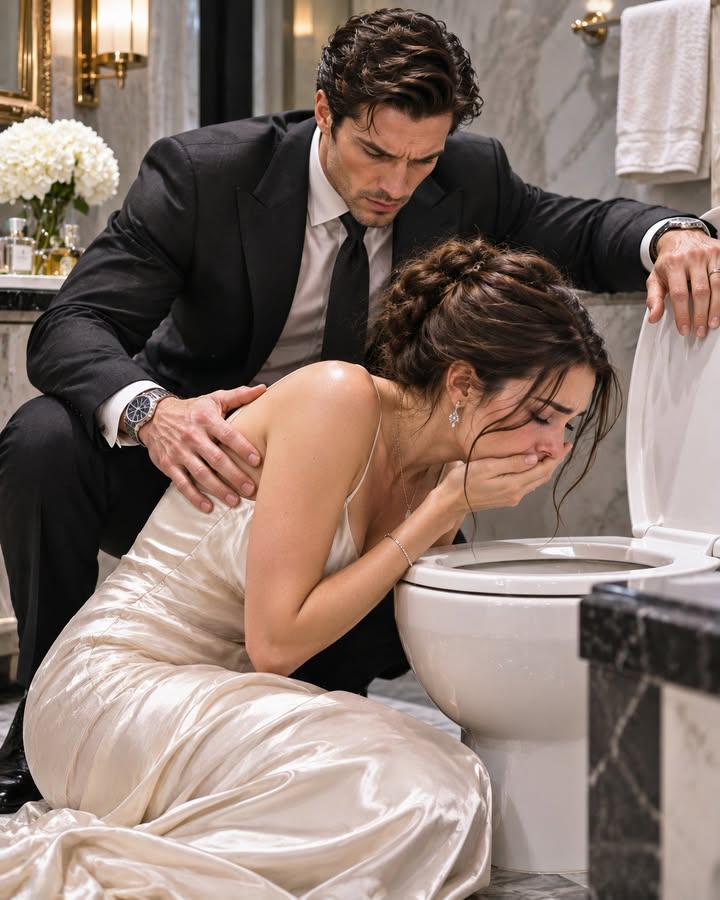
Part 5 – The Choice in the Open
The unredacted record arrived while Dorian was still on the phone.
I read the destination address twice, then once more, hoping familiarity would make it less troubling.
It belonged to the office of Graham Voss, a senior executive at Dorian’s company who had overseen the acquisition review.
“Do you know him?” I asked.
“I know who he is,” Dorian said. “He worked on the review team.”
“Did he have authority over the company’s communications?”
“Not over my personal account.”
“But he requested the messages be preserved.”
“That’s what the note says.”
I looked at the line beneath the address.
The request had been made the morning after the photographs reached Dorian, before either of us knew the messages were missing.
“Why would he want them preserved?” I asked.
“I don’t know.”
“Could it have been part of the acquisition review?”
“It might have been.”
“Could someone have been tracking your communications for business reasons?”
“Not without authorization.”
“Was it authorized?”
“I’m checking.”
I heard the faint click of his office door closing.
“Alina, I need to speak to the company’s counsel and the review team.”
“Do that.”
“I don’t want you to hear this from someone else later.”
“Then tell me what you learn before you decide what it means.”
“I will.”
“And keep my medical information out of every conversation.”
“I’ll make that clear.”
He sounded steady, but I could hear the strain beneath it.
The discovery had shifted the mystery again, but it had not given us an answer.
It had only placed another person in the space between our unanswered words.
I spent the rest of the afternoon trying to read.
The pages kept slipping out of focus, and my thoughts returned to the same sentence: I went to the clinic because we were struggling to conceive.
I had finally told Dorian the truth.
Not in a room where I could watch his face, but in a message I had written with shaking hands, trying to gather the courage to speak.
He had never received it.
I knew that.
Still, knowing could not give back the moment in which he might have answered.
At seven, Dorian called.
“I spoke with the company’s counsel,” he said. “They’re reviewing the preservation request and the access logs.”
“Did you speak to Graham Voss?”
“Not yet.”
“Why not?”
“Counsel advised me not to contact him until they understand who had access to the files.”
“Is he still involved in the acquisition review?”
“Yes.”
“Could this affect the company?”
“It could.”
I closed the book on my lap.
“Is the review soon?”
“Tomorrow morning.”
The timing gave the question a sharper edge.
“Do they expect you to attend?”
“Yes.”
“What would happen if you didn’t?”
“The board would proceed without my testimony.”
“Would the acquisition go through?”
“I don’t know.”
“Would Voss benefit?”
“I don’t know.”
He answered each question carefully, refusing to fill in the gaps with suspicion.
That should have comforted me.
Instead, I felt the old helplessness rising again: the sense that decisions were moving around us while we were still trying to understand what had happened.
“What are you going to do?” I asked.
“I haven’t decided.”
“Do you need me to decide for you?”
“No.”
“Good.”
“I’m telling you because tomorrow’s hearing may bring attention to the account review.”
“Will anyone mention my name?”
“They may refer to private communications, but I’ve asked counsel to keep the contents confidential.”
“Can they guarantee that?”
“No.”
The honesty landed hard.
“What can you guarantee?”
“That I won’t authorize anyone to share your medical records.”
“And if they try?”
“I’ll oppose it.”
The certainty in his voice was quiet, but it did not feel like a command.
It felt like a promise he intended to keep, knowing he might have to pay for it.
I rested my hand on the curve of my stomach.
“Do you think the messages could be relevant to the hearing?”
“They may show that someone interfered with my communications. If that happened during the acquisition review, it could be important.”
“And if the board decides you’re hiding something?”
“Then I’ll answer what I can without exposing you.”
“Could you lose your position?”
“Possibly.”
The silence between us deepened.
I had spent months believing the company came first because Dorian had seemed to choose distance over our marriage.
Now the company’s future was on the other side of a choice he would have to make in public.
I did not want him to choose me because he felt guilty.
I did not want him to choose the company because it was easier.
“I don’t want to be used as a reason for you to make a decision you don’t believe in,” I said.
“You’re not a reason. You’re a person I should have stood beside before anyone had to ask.”
“That isn’t an answer.”
“No,” he said. “It isn’t.”
I waited.
“If I go to the hearing,” he continued, “I can present what we’ve found. I can ask them to preserve the evidence and investigate the account interference.”
“And if they ask about the messages?”
“I’ll say they were private.”
“That may not be enough.”
“It will have to be.”
“What if they threaten to make the messages public?”
“They shouldn’t.”
“That doesn’t mean they won’t.”
“I know.”
He sounded tired now, but not defeated.
“I won’t make the decision tonight just to quiet my fear,” he said. “I’ll look at the evidence and speak with counsel. Then I’ll choose.”
That was the first time I had heard him describe fear as something he had to consider rather than obey.
“Tell me before you decide,” I said.
“I will.”
After we ended the call, I moved the appointment card from the table to my bedside drawer.
The next morning’s clinic appointment had been scheduled weeks earlier.
I had considered canceling, but the doctor had advised me to keep it unless I felt unwell.
Dorian had asked whether I wanted him there.
I had not answered.
At eight the next morning, a message arrived from him.
The hearing begins at ten.
I’m going to attend.
I’ll keep your name and medical information out of it.
I read the message standing in the kitchen, the appointment card in my hand.
Then I wrote back.
I’ll be at the clinic at nine.
The ultrasound technician moved the wand gently across my abdomen while I watched the monitor, trying to understand the shifting shadows.
The baby’s heartbeat filled the room, quicker now, a small and insistent rhythm that made my eyes sting.
The doctor confirmed that everything looked normal.
She asked if I had questions about the nausea, my sleep, or the next stage of care.
I asked about all three.
When the appointment ended, I sat in the waiting room for a few minutes before going outside.
The morning sky was pale, the streets washed clean by a light rain.
I checked my phone.
There was a message from Dorian.
They’re asking for an explanation of the archived messages.
I told them the records were private and were being reviewed for improper access.
They want me to authorize the preservation of the full account history.
I wrote: Does the history contain my medical information?
His answer came quickly.
No medical records, but there are messages about the clinic.
I stared at the screen.
The messages that had once been intercepted were now in the hands of people who knew nothing about the life behind them.
A second message appeared.
Counsel says we can request that the messages be sealed and reviewed only by the independent investigator.
The board wants a decision before the hearing resumes.
I called him.
“Are you at the hearing?”
“I’m outside the room.”
“Can you ask for the messages to be sealed?”
“I already did.”
“What did they say?”
“They’ll consider it, but the board wants the records preserved in full.”
“Do they need to know what the messages say?”
“They say the content may help establish when the interference began.”
“Then give them the dates, not the words.”
“I proposed that.”
“And?”
“They want the complete archive.”
I looked through the clinic windows at the quiet reception area.
The last six months of my life had become a series of records someone else could examine and interpret.
I thought of the message I had written about trying to conceive, the one I had sent when fear finally loosened its grip.
I had meant it for my husband.
I had never meant it for a boardroom.
“Are you going to give it to them?” I asked.
“I don’t know.”
“What would happen if you refused?”
“They could treat it as a failure to cooperate with the review.”
“Could that cost you the hearing?”
“Yes.”
“Could it cost you the company?”
“It might.”
I pressed my hand against the damp stone wall beside the clinic entrance.
“Dorian, I don’t want you to expose my private life to prove you’re innocent.”
“I won’t.”
“Even if that means you lose?”
A pause followed, long enough for me to hear the quiet movement of people entering the building behind him.
“Even then,” he said.
I shut my eyes.
This was the choice I had feared, though I had not understood its shape.
He could use my words as evidence and strengthen his position.
He could also refuse, protect me, and risk losing the company he had spent years building.
“I don’t want you to choose me because you think that’s what a good husband would do,” I said.
“I’m choosing not to hand over your private messages without your consent.”
“You could still argue that they’re necessary.”
“I could.”
“And the company?”
“I’ll answer for my own decisions.”
The words did not sound noble.
They sounded difficult, which made them more believable.
I thought about the man who had once believed an anonymous sentence over a direct conversation.
Now he was standing outside a hearing room, asking whether he could share my words instead of assuming the answer.
It did not erase what he had done.
It showed me that he was trying to become someone who asked.
“What do you need from me?” I said.
“Nothing.”
“Dorian.”
“I need you to know what I’m deciding. I don’t need you to carry it for me.”
I looked down at the appointment card in my hand.
The date for the next checkup was printed in neat blue letters.
There was a small note below it: bring questions.
“I don’t want the archive released,” I said. “Not the messages. Not the clinic information. If there’s a way to show the dates and prove someone interfered without showing the content, I want you to insist on that.”
“I will.”
“And if they refuse?”
“Then I’ll refuse.”
“Even if it means they turn against you?”
“Yes.”
The answer was simple.
It did not solve anything.
It made the choice real.
“I’m not telling you that this saves our marriage,” I said.
“I know.”
“I’m not promising to stay.”
“I know.”
“I’m telling you what I need protected.”
“I understand.”
“You have to keep understanding it when I’m not there to remind you.”
“I will.”
I heard someone speak his name in the background.
“I have to go back in,” he said.
“Then go.”
“I’ll call you when I know what they decided.”
“Don’t let them rush you into an answer you haven’t chosen.”
“I won’t.”
The call ended.
I remained outside the clinic until my fingers began to stiffen in the cold.
Then I went home and waited.
The hearing lasted longer than Dorian expected.
At noon, he sent a brief message saying the board had agreed to pause the request for the message contents while the independent investigator reviewed the access logs.
At two, he wrote that the investigator had found a second account linked to the same routing rule.
At four, there was no message.
I tried to occupy myself with laundry and a list of groceries, but every sound from the street made me glance toward the window.
At five, I called him.
He answered in a low voice.
“I’m on my way out.”
“What happened?”
“The board agreed to protect the messages while the investigation continues.”
“Did you have to give them anything?”
“Only the dates and the account logs.”
“Did they mention the clinic?”
“They asked whether the messages contained personal material. I said they did and that the content wasn’t necessary to the review.”
“Did you say what the material was?”
“No.”
A breath loosened in my chest.
“Thank you.”
“I didn’t do it for thanks.”
“I know.”
He was quiet.
“Are you all right?” he asked.
“I’m tired.”
“Can I come over?”
I looked around the apartment.
The folders were on the table.
My coat was still damp from the clinic.
I wanted to say no simply because it would be easier than letting him see how much the day had unsettled me.
Instead, I asked, “Do you want to come over, or do you think you’re supposed to?”
“I want to see you.”
“That doesn’t answer what you want to say.”
“I want to tell you the board agreed not to release the messages, and I want to ask how your appointment went.”
“You already know the appointment went well.”
“I wanted to hear it from you.”
I considered the request.
“Come over,” I said. “But we’re not celebrating anything.”
“I understand.”
He arrived twenty minutes later.
He looked worn, his tie loosened and his coat unbuttoned.
He carried no folder.
I noticed that immediately.
“Where are the records?” I asked.
“With counsel.”
“You didn’t bring them?”
“No. I didn’t want to bring work into your home without asking.”
The answer was so ordinary that it caught me by surprise.
I moved aside to let him in.
He stood near the kitchen table, unsure whether to sit.
“The appointment was good,” I said. “The baby is growing normally.”
Relief passed across his face, followed by a softness he did not turn into a claim.
“I’m glad.”
“The doctor said the nausea may ease in a few weeks.”
“I hope it does.”
I sat down.
He waited until I gestured toward the chair opposite me.
For a while, we spoke about the appointment, the next ultrasound, and the doctor’s advice.
The conversation was careful, but not strained.
It was the kind of conversation we might have had months earlier if we had allowed ourselves to be ordinary.
Then Dorian placed both hands on the table.
“I need to tell you something about the hearing.”
“All right.”
“The board agreed to keep the messages sealed. But they’ve asked me to return tomorrow and explain why I refused to authorize the full archive.”
“What will you say?”
“That the messages belong to us, and their contents aren’t necessary to determine who accessed the accounts.”
“Will they accept that?”
“I don’t know.”
“Could they ask again?”
“Yes.”
“Could they use your refusal against you?”
“They might.”
I watched his face.
“Are you frightened?”
“Yes.”
The answer came without delay.
“Of losing the company?”
“Yes.”
“Of what this could do to your reputation?”
“Yes.”
“Of what it could do to us?”
He looked at me for a long moment.
“More than the other two.”
I did not know what to do with that.
It was not the grand declaration I might once have wanted.
It was a plain answer, offered without asking me to reward it.
I reached for my water.
“I don’t want you to become a different person overnight.”
“I won’t.”
“I don’t want you to make one good choice and expect me to stop being afraid.”
“I don’t expect that.”
“I need to see what you do when the pressure lasts longer than a day.”
“I understand.”
“Do you?”
“I’m learning.”
He lowered his eyes, accepting the limit in my answer.
After a moment, he said, “The investigator found the account that requested the archive be preserved. It belonged to a senior officer in the acquisition review.”
“Graham Voss?”
“Yes.”
“Did he have a reason to collect the messages?”
“He told counsel he was preserving records because the review team had received a report of suspicious communications activity.”
“Did he know what the messages said?”
“He says he didn’t.”
“Do you believe him?”
“I don’t know.”
“Did he have any connection to the consulting firm?”
“The firm had done work for one of the other parties involved in the acquisition. That doesn’t prove he knew about the interference.”
“So we still don’t know who was responsible.”
“No.”
The answer left the room open and uncertain.
I wanted the mystery to close around one person.
I wanted someone to explain the photographs, the missing messages, and the months of silence.
But even if the records eventually named a person, they would not change what Dorian and I had done with the silence we were given.
A soft vibration sounded from his coat pocket.
He looked at the phone, then at me.
“Do you need to answer it?” I asked.
“It’s from counsel.”
“Then answer.”
He stepped away from the table but remained in the kitchen.
I watched his expression change as he read.
“What is it?” I asked when he lowered the phone.
“They found a new message in the archive.”
“From whom?”
“An internal account.”
“About the investigation?”
“I don’t know yet.”
He glanced at the screen again.
The look in his face was not fear exactly.
It was recognition, as if the message had disturbed something he had hoped was already settled.
“What does it say?” I asked.
“Counsel hasn’t opened the attachment.”
“Why?”
“Because it’s encrypted, and the review team wants it preserved before anyone accesses it.”
“Who sent it?”
“The sender field is incomplete.”
“Then what do they know?”
“The message was sent to my office the morning after the first photographs arrived.”
My hand tightened around the glass.
“Is it from the same account that routed the others?”
“They don’t know.”
“Could it have been sent by the person who took the photographs?”
“Possibly.”
“Or someone who wanted you to see them?”
“Yes.”
He set the phone facedown on the table.
“I’ll ask counsel to keep the attachment sealed until I can be there.”
“Why?”
“Because if it contains your name, I want to make sure nobody reads it without your consent.”
The effort in the answer was visible.
I believed he meant it.
That did not mean I felt safe.
“You can’t control everything,” I said.
“No.”
“Sometimes protecting me will mean telling me what you don’t know, not keeping every uncertain thing away from me.”
“I understand.”
He turned the phone back over.
A new message had arrived from counsel.
The attachment had been decrypted.
The first line of the email was visible in the preview.
Dorian read it, and the color drained from his face.
“What does it say?” I asked.
He looked at me rather than the screen.
“It says the photographs were never meant to reach me.”
A chill moved through me.
“Then who were they meant for?”
Dorian turned the phone so I could see the sender line.
The message had been addressed to someone in my fertility clinic’s administrative office.
Beneath the address was a note from the sender.
Please ensure Mrs. Cross receives this before her next appointment. Mr. Cross must not know.
My name was there, typed carefully beneath the subject line.
And attached to the message was a photograph I had never seen before.
**–END OF PART 5–CLICK “NEXT” AT THE BOTTOM OF THE PAGE TO CONTINUE READING**
* * *
[PREVIOUS: PART 4](https://puretales.idolsgift.com/blog/part-4-the-answer-neither-of-us-wanted-008) | [NEXT: PART 6(THE END)](https://puretales.idolsgift.com/blog/part-6-the-end-the-answer-neither-of-us-wanted-008)
✓ Lynn R. Adams
Part 5 – The Choice in the Open The unredacted record arrived while Dorian was still on the phone. I read the destination address twice, then once more, hoping familiarity would make it less troubli…