PART 3: The Letter That Changed Everything 029
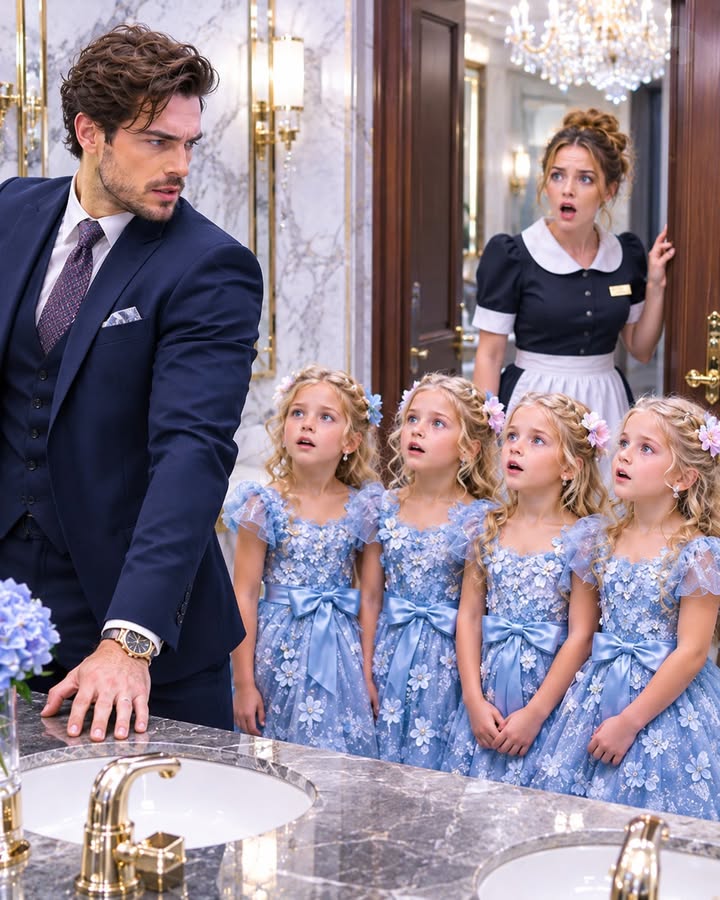
Part 3 – The Answer We Couldn’t Rush
“Then who made sure we never saw each other’s words?”
Isla’s question seemed to settle over the apartment, as tangible as the letter in her hands.
I looked at the printout again, at my own words and the delivery notice beneath them.
“I don’t know,” I said.
She lowered her eyes to the page.
“You wrote that you still loved me.”
“I did.”
“You wanted to talk.”
“I did.”
“And then you stopped trying.”
“I thought the message had reached you.”
Her fingers tightened around the old letter.
“After I received yours, I closed the account.”
“Why?”
“Because I couldn’t stand the idea of you writing to me again just to tell me I’d misunderstood.”
The answer hurt, though I knew I had no right to ask her to have hoped for more.
“I’m sorry.”
“Please don’t keep saying that like it can cover the distance.”
“I don’t expect it to.”
She folded the pages together, carefully aligning their edges.
“Did you save that email?”
“I didn’t know I had. It was buried in an old account.”
“Can I keep the printout?”
“Of course.”
She held it without looking at me, as though it weighed more than paper.
For years, she had carried a letter that told her I wanted nothing to do with her.
Now she held proof that I had tried to reach her, but it couldn’t undo the years that had passed without either of us knowing the other had tried.
“I’ll need to see the letter you received,” I said.
“I know.”
“Not because I don’t believe you. Because it might help us understand what happened.”
She drew a slow breath.
“I’ll show you tomorrow.”
“All right.”
“I need to sleep.”
“I know.”
She returned to the guest room, taking both papers with her.
I watched the open door for a moment before going back to the study.
There was no chance of sleep.
I sat at the desk, the email archive still open, and searched for anything else from that month.
There were ordinary messages from my father’s office, meeting reminders, and family invitations.
Then I found a thread from my mother’s former assistant, Mara Bell, whose name I recognized from years of correspondence.
The message was short, dated six days after Isla disappeared.
Graham, your mother asked me to arrange for the Brennan mail to be forwarded to the office. I wanted to check whether you meant the same forwarding address you gave me last month.
I had no memory of giving her an address.
I searched the thread, but there was no reply from me, only a later message from Mara saying she had received instructions to send the mail to a lawyer’s office.
My chest tightened.
I printed the message and sat staring at it.
It was a clue, not an answer.
Still, it was enough to make the room feel smaller.
The next morning, I woke to the sound of the girls laughing in the kitchen.
The noise was bright and unguarded, and for a moment I forgot everything else.
When I entered, Willa was perched on a stool, watching Isla stir oatmeal in a saucepan.
Tessa and Josie were arguing over whether the blueberries should be mixed in or placed carefully on top.
Penny sat at the table with her chin in her hands, studying the bowl in front of her as though it had disappointed her personally.
“Good morning,” I said.
“Graham,” Willa greeted me, waving her spoon.
“Do you have hot chocolate now?”
“I bought some.”
“You went shopping?”
“Before you woke up.”
“Can we have it with breakfast?”
“Your mother can decide.”
Isla glanced over her shoulder.
“Hot chocolate is for after you eat.”
Willa accepted the ruling with a sigh that suggested she had expected more from me.
I brought a tray of mugs to the table.
The girls made room for me without asking whether I planned to sit.
Their easy welcome unsettled me more than the silence had.
Tessa pointed toward the mug I set in front of her.
“Is it real chocolate?”
“It’s chocolate powder and milk.”
“That’s what real hot chocolate is,” Josie said.
“Then yes,” I replied.
As I sat down, Penny watched me with serious attention.
“Did you sleep here?”
“In the study.”
“Why?”
I looked to Isla before answering.
“So your mom could have the guest room.”
Penny nodded, as if this made sense.
“Mommy gets cold at night.”
“I do not,” Isla said.
“You steal the blanket,” Penny insisted.
“I do not.”
“You do,” all three of her sisters chorused.
Isla’s mouth twitched, and the girls laughed.
For a few minutes, we were simply a crowded kitchen sharing breakfast.
Then Willa leaned across the table toward me.
“Are you going to come with us today?”
“Where are you going?”
“School,” Tessa said.
“Not today,” Isla corrected. “We have a day off.”
“We’re going to the library,” Josie explained. “Then we have to find somewhere else to stay.”
The girls’ smiles faded as they looked at their mother.
Isla kept her attention on the saucepan.
“Is that still the plan?” I asked.
“It has to be.”
“You can stay here.”
“I said one night.”
“The apartment is still warm.”
“And I’m still not comfortable staying.”
I took in her tired face, the small crease between her brows, and the way she kept one hand close to the girls.
“I’m not going to argue with you in front of them.”
“That would be a change.”
The words came lightly, but the history behind them did not.
After breakfast, I offered to drive Isla and the girls to the library, then to wherever she needed to go.
She hesitated, but the girls were eager to ride in the SUV again.
“Only the library,” she said.
“Only the library.”
As the girls collected their coats, my phone buzzed.
This time, the screen showed Margot.
I stepped into the hall to answer.
“Graham,” she said, her voice controlled but tired. “I’ve been trying to reach you.”
“I know.”
“Your mother says you’ve canceled the announcement and taken someone to your apartment.”
“Isla and her daughters needed somewhere warm.”
There was a brief pause.
“Your mother didn’t mention the daughters.”
“She may not have known.”
“Do you?”
I glanced toward the kitchen, where Isla was fastening Penny’s coat.
“I don’t know yet.”
“I see.”
“I’m sorry I canceled everything without speaking to you.”
“You don’t have to apologize for not wanting to marry me.”
The sentence left me without an answer.
Margot’s voice softened.
“I only wish you had been able to say it before there were a hundred and fifty people waiting to hear you make a promise you didn’t mean.”
“I should have.”
“Yes.”
She didn’t accuse me.
That somehow made the truth harder to bear.
“Can we talk?” I asked.
“Not today. I need some time to understand what happened last night.”
“All right.”
“And Graham?”
“Yes?”
“Whatever you discover about those children, don’t make them carry the burden of your family’s choices.”
“I won’t.”
“I hope you mean that.”
She ended the call gently.
When I returned, Isla was waiting by the door.
“Margot?” she asked.
“Yes.”
“I’m sorry.”
“You don’t have to be.”
“I know what it’s like when someone else’s silence changes your life.”
I looked at her, unsure what to say.
She adjusted Penny’s scarf and opened the door.
The drive to the library was quiet except for the girls, who were debating which books they wanted to find.
At the curb, they climbed out together, then Willa turned back toward me.
“Are you coming inside?”
“If your mom says it’s all right.”
Isla considered it for a moment.
“You can come.”
The girls hurried ahead, their coats flapping behind them.
Inside, they scattered toward the children’s shelves with the confidence of people who knew exactly how to make themselves at home.
Isla chose a seat near the window.
I sat across from her.
“Do you always watch them so closely?” I asked.
“Usually.”
“I can see why.”
“They’re good at being together. They don’t always notice when one of them needs something.”
She looked toward Penny, who was helping Josie stack books.
“I had to learn how to notice for all four.”
“I’m sure you did.”
“Don’t pity me.”
“I don’t.”
“You’re looking at me as if you’re trying to count every year you missed.”
“I am.”
“Then stop. You can’t make those years better by hurting yourself over them.”
“I don’t know what else to do with them.”
She studied me, then looked down at the book she had picked up.
“Start with today.”
I held onto that.
When we left the library, I asked if she would let me take the girls to a café for lunch.
She agreed, provided it was somewhere quiet and she could pay for her own meal.
“I can pay,” I said.
“I know you can. I’m saying I’ll pay for mine.”
“Then we’ll do it your way.”
At the café, the girls sat together on one side of a booth and Isla and I took the other.
They ordered grilled cheese and fruit, then set about arranging the slices of apple into shapes.
Willa made a crooked star.
Tessa created a line of tiny boats.
Josie placed hers in a circle around Penny’s plate, claiming it was a protective wall.
Penny handed me one slice.
“You can have this one.”
“Thank you.”
“It’s the biggest.”
“I noticed.”
She smiled, and the dimple appeared again.
Isla saw me notice.
“Don’t,” she said quietly.
“I didn’t say anything.”
“You don’t have to.”
I looked at my hands.
“I won’t turn them into proof.”
“Good.”
She softened slightly.
“The girls have asked about their father.”
My heart gave a hard, painful beat.
“What did you tell them?”
“That they could ask questions when they were ready, and I’d answer what I could.”
“Have they asked about me?”
“Not specifically.”
“I don’t want to confuse them.”
“Neither do I.”
“I want to know what’s true.”
“So do I.”
Her gaze moved across the booth to the girls.
“But we have to remember that knowing what’s true and knowing what to do with it are not the same thing.”
“I understand.”
“Do you?”
“I’m trying to.”
She leaned back, a faint weariness crossing her face.
“Their lives have been a series of changes. I’m not going to tell them you might be their father until we know.”
“I agree.”
“And if you are, that doesn’t mean you get to come in and make promises.”
“I won’t.”
“Good.”
She was asking me to accept the truth without assuming it would grant me a place in their lives.
I could do that.
At least, I hoped I could.
Later, back at the apartment, I called my assistant, Daniel, and asked him to arrange a paternity test through a reputable clinic.
“Discreetly,” I added. “No contact with Isla unless she agrees.”
“I understand,” he said. “Do you want me to make an appointment?”
“Ask the clinic what consent they need from both parents, and send me the information.”
“I’ll handle it.”
I hung up and found Isla standing near the living-room windows.
“I’ve asked my assistant to find out how a test works,” I said. “Nothing will happen unless you agree.”
She looked down at the city below.
“I’ll agree to a test.”
I held still, afraid that even relief might sound like pressure.
“For the girls,” she continued. “They deserve a clear answer.”
“I agree.”
“But we’ll choose the clinic together, and I want to understand exactly what we’re agreeing to.”
“Of course.”
“I’m not doing this to make it easier for you.”
“I know.”
“And I’m not promising that a result will change how I feel about you.”
“I know that too.”
She folded her arms.
“You’re very good at saying the right thing.”
“I’m trying to be better at meaning it.”
She held my gaze for a moment, then looked away.
That evening, we made the first call together.
The clinic explained the process and gave us time to review the consent forms.
Isla read every line while I waited beside her.
When she finally signed, she placed the pen down carefully.
“This is for them.”
“I know.”
The test was scheduled for the following morning.
After the girls went to bed, Isla returned to the study and took the old letter from her bag.
She placed it on the desk but kept one hand over it.
“Before you read it, I want you to understand something,” she said.
“All right.”
“I kept it because I needed proof that I hadn’t imagined what happened.”
“I understand.”
“No, you don’t. You weren’t the one who had to carry the words around and wonder whether they were the last honest thing you’d ever hear from someone you loved.”
I didn’t defend myself.
She withdrew her hand.
The letter was brief, written in a tone I recognized from old drafts and family correspondence.
It said I had chosen my future and would not be part of hers.
It said she should never contact me again.
At the bottom was a signature that looked like mine.
I read it twice, unable to move.
“I didn’t write this.”
“I believe you.”
The certainty in her voice took me by surprise.
“Why?”
“Because I saw the email you sent me.”
“It bounced.”
“It still existed.”
She sat across from me.
“The letter used phrases you never used with me.”
“Someone copied my handwriting.”
“Or your signature.”
I leaned closer to the page.
The loops in the letters resembled mine, but there was something stiff in the lines, as if the writer had been studying a sample.
“Where did you get this?”
“It arrived at my apartment in a plain envelope.”
“Was there a return address?”
“No.”
“Did you recognize the handwriting?”
“I thought it was yours.”
She rubbed her thumb over the edge of the paper.
“That was enough.”
The letter had been written on heavy cream stationery, the kind my family kept in the private office at our old townhouse.
I felt the room shift around me.
“Did you tell anyone what it said?”
“My roommate knew. A friend helped me find a place to go.”
“Did you keep the envelope?”
“I did, but I threw it away later. I was moving constantly, and I didn’t want to carry anything that reminded me of you.”
I studied the paper.
At the bottom, almost hidden beside the fold, was a small embossed mark.
My family’s crest.
Isla watched my face.
“You recognize it.”
“Yes.”
“Where would someone get paper like this?”
“My mother’s house. My father’s office. The family law firm.”
The list sounded like an accusation, though I didn’t know who it accused.
“Could anyone else have taken it?” she asked.
“Possibly.”
I noticed a faint line beneath the signature, as if something had been erased or pressed into the page.
I angled it toward the lamp.
There were traces of another message, the impression of words written on a page that had once rested above it.
Isla leaned in.
“What is that?”
“I can’t tell yet.”
I photographed the letter from several angles, careful not to handle it more than necessary.
“I should ask someone to examine it.”
“Who?”
“A handwriting specialist, perhaps. But I don’t want to send it anywhere without your permission.”
She gave a small nod.
“Let’s wait until after the test.”
“Okay.”
The next morning, we took the girls to the clinic together.
They were nervous about the swabs, but the nurse explained each step in a calm voice, and Isla stayed beside them throughout.
I waited in the reception area until she called me in.
When the collection was finished, the girls asked whether they could go to the park.
We walked there, and they ran beneath the bare trees, chasing one another around the benches.
I stayed beside Isla, watching them play.
“This is where you used to bring me after we argued,” she said.
“I don’t remember arguing here.”
“We didn’t argue much.”
“That’s not what I meant.”
She smiled faintly.
“I know.”
For a moment, I could almost remember the old version of us, walking together without fear of what we might lose.
Then her phone rang.
She checked the number and went pale.
“Who is it?” I asked.
“My mother.”
She answered, turning away from the children.
I couldn’t hear every word, only pieces.
“Not here.”
“No, I’m not coming alone.”
“They’re children, Eleanor.”
Then Isla ended the call.
She stood motionless, phone still in her hand.
“What did she say?” I asked.
“She wants to meet.”
“Your mother?”
“My mother and yours.”
The girls had noticed her expression and begun drifting back toward us.
“Did something happen?” Willa asked.
“Nothing you need to worry about,” Isla said.
I looked at the phone.
“Eleanor knows where we are?”
“She said she was told I was at the park.”
A chill went through me, though the afternoon was clear.
“Did you tell her?”
“No.”
I looked around the park, at the families walking past and the children on the swings.
“Do you want to leave?”
“Yes.”
We gathered the girls and walked back toward the apartment.
When we arrived, the doorman called upstairs.
“Mr. Ashford, your mother is in the lobby.”
I glanced at Isla.
She was standing with the girls behind her, one hand resting on Willa’s shoulder.
“Ask her to wait,” I said.
The doorman paused.
“Sir, she’s already coming up.”
The elevator doors opened before I could respond.
My mother stepped into the hallway, dressed in a pale coat and carrying herself with the same polished certainty she had carried into every room of my childhood.
Her gaze went first to me, then to Isla, and finally to the four girls.
For one brief moment, I saw surprise in her face.
Then it disappeared.
“Graham,” she said. “We need to speak privately.”
“Not now.”
“This concerns the family.”
“The girls are standing right here.”
Her eyes settled on them again.
“They should not be involved in adult matters.”
“They are involved,” Isla said. “They have been involved for six years.”
Eleanor’s expression tightened.
“You should not have brought them into this apartment.”
“I brought them somewhere warm.”
“You have no idea what you’re getting yourself into.”
“I know enough.”
My mother’s gaze flicked to the old letter in Isla’s hand.
“Where did you get that?”
Isla went very still.
“Is it yours?” I asked.
Eleanor looked at me.
“Do not make accusations without understanding the consequences.”
“I’m asking a question.”
“The children are a threat to this family.”
Silence filled the hall.
Willa’s hand found Isla’s.
My mother looked as if she wanted to take the words back, but she didn’t.
I felt something inside me shift, not into anger, but into clarity.
“They’re not a threat,” I said. “They’re children.”
Eleanor’s attention turned to me.
“You have no proof of anything.”
“We’re taking a paternity test.”
“That is not necessary.”
“It is necessary for them.”
She glanced at Isla.
“Did you arrange this?”
“I agreed to it,” Isla said. “For the girls.”
My mother turned away from her.
“Graham, you need to come home with me.”
“No.”
“Your engagement announcement was supposed to be tonight.”
“It’s canceled.”
“You cannot throw away your future over an uncertain story.”
“I’m not throwing anything away.”
“You are making decisions based on emotion.”
“I’m making decisions based on the people standing in front of me.”
For the first time, Eleanor looked truly unsettled.
Behind her, the elevator chimed.
Margot stepped out.
She paused when she saw the gathering in the hallway, her gaze moving from my mother to Isla and the girls.
“I’m sorry,” she said quietly. “I didn’t know you were all here.”
“You should go,” Eleanor told her.
“I came to speak with Graham.”
“I told you, he’s busy.”
“I can see that.”
Margot looked at the girls, then at Isla.
“I’m Margot.”
Isla gave a cautious nod.
“Isla.”
“I know,” Margot said. “I’m sorry we’re meeting under these circumstances.”
“You don’t owe me an apology.”
“Perhaps not. But I do owe you the truth about one thing.”
Eleanor’s face turned toward her.
“Margot.”
“I’m not going to pretend I was heartbroken about the engagement being canceled,” Margot said.
The hallway grew very quiet.
“I was hurt that Graham waited until the last possible moment to say what he already knew. But I was never in love with him.”
My mother’s jaw tightened.
Margot kept her voice gentle.
“Our families expected us to make the arrangement work. I tried to believe we could build something decent from it, but I always hoped Graham would find the courage to say no.”
I looked at her, ashamed of how little I had understood.
“Why didn’t you say anything?”
“Because I was trying to be dutiful too.”
She glanced at Isla.
“I didn’t know about the girls, and I don’t want to take anything from them. I only want Graham to stop pretending that a life chosen for him is the same as a life he wants.”
Eleanor’s expression hardened.
“You’re making this worse.”
“No,” Margot said. “I’m saying what I should have said before.”
The girls had pressed close together.
Isla put an arm around them.
I wanted to ask Margot to stay, to apologize again, to tell her that she deserved more honesty from me.
But the hallway was crowded with old choices, and the girls needed it to be quiet.
“I’m sorry,” I said.
“I know.”
She gave me a small, sad smile.
“Be careful what you promise everyone else while you’re learning to be honest with yourself.”
Then she turned and left.
Eleanor watched the elevator doors close.
For a moment, no one spoke.
Then she looked back at me.
“This conversation is not over.”
“I know.”
“You need to think about what you’re risking.”
“I am.”
Her eyes moved to Isla and the girls.
“Some risks cannot be taken back.”
“Neither can the years we lost.”
My mother’s face changed at that.
Only slightly, but I saw it.
She looked at Isla, and beneath the composure was a flicker of something that might have been regret.
Then it vanished.
“I will speak with you later,” she said.
She stepped into the elevator and left without looking back.
The doors closed, and the hallway seemed to exhale.
The girls stayed close to Isla.
I crouched in front of them.
“Are you all right?”
Penny nodded, though her eyes remained fixed on the elevator.
“Was that your grandma?”
“I don’t know,” I said honestly. “We’ll talk about it when your mom says it’s okay.”
Isla gave me a grateful look.
That evening, Daniel called with the expected timeline for the test results.
“About a week,” he said. “The clinic will contact both of you.”
“Thank you.”
After we hung up, I returned to the study and opened the old email again.
The message from Mara Bell still waited in the archive.
I searched her name through the family directory and found an old number.
It was disconnected.
I tried the address listed beside it and found that she had moved years ago.
I was about to give up when I saw another note attached to an archived calendar entry from the year Isla disappeared.
Mara’s name appeared beside a meeting my mother had canceled.
The note read: Follow-up with Eleanor regarding Brennan correspondence.
I stared at the words.
Brennan correspondence.
Not a visit.
Not a conversation.
Correspondence.
I called Daniel again.
“I need you to find Mara Bell,” I said. “She used to assist my mother.”
“Any particular reason?”
“She may know what happened to Isla’s letters.”
“I’ll look.”
I went into the living room, where Isla sat beside the girls as they colored at the coffee table.
“I found another clue,” I said.
She set down her pencil.
“What kind?”
“A message from my mother’s former assistant. She mentioned forwarding your mail to a lawyer’s office.”
Isla’s face paled.
“Did she say why?”
“No.”
“Do you know the assistant’s name?”
“Mara Bell.”
Isla stared at the paper in front of her.
The girls had made four drawings of the park, each with a different number of clouds.
“I remember her,” Isla said.
“You do?”
“She was at your family’s townhouse once when I visited you.”
“Do you remember anything else?”
“She was kind to me.”
Isla’s voice had grown distant.
“She asked whether I was staying for dinner. I told her I had to go home. She seemed surprised.”
“Why?”
“I don’t know. She said your mother had told her I was leaving for good.”
I felt the old pieces rearranging themselves.
“Did she say when?”
“After I got the letter.”
Before I could answer, Daniel called back.
“I found Mara,” he said. “She lives outside the city now.”
“Can you put me in touch?”
“I have a number. She said she’ll speak with you, but she asked me to tell you something first.”
“What?”
Daniel hesitated.
“She said your mother told her not to give you any of Isla’s letters.”
Across the room, Isla had stopped coloring.
I held the phone tightly.
“Did she say whether she kept them?”
Daniel’s pause stretched.
“She said she doesn’t know where they went.”
“What does that mean?”
“She wasn’t sure. But she said your mother kept one of them.”
My gaze met Isla’s.
“What letter?” I asked.
Daniel relayed the question.
A moment passed before he answered.
“Mara says she never saw the contents, but she remembers your mother placing an envelope in a blue file marked ‘Graham—private.’”
Isla’s hand went still on the page.
A blue file.
My mother’s private files were kept in the townhouse office
**–END OF PART 3–CLICK “NEXT” AT THE BOTTOM OF THE PAGE TO CONTINUE READING**
* * *
[PREVIOUS: PART 2](https://puretales.idolsgift.com/blog/part-2-the-letter-that-changed-everything-029) | [NEXT: PART 4](https://puretales.idolsgift.com/blog/part-4-the-letter-that-changed-everything-029)
✓ Lynn R. Adams
Part 3 – The Answer We Couldn’t Rush “Then who made sure we never saw each other’s words?” Isla’s question seemed to settle over the apartment, as tangible as the letter in her hands. I looked at t…