Part 3 (END): I divorced my husband after he admitted he had been cheating on me, and because he barely fought the divorce, I kept the house, most of our savings, and the life we had built together while he moved into a small apartment across town.
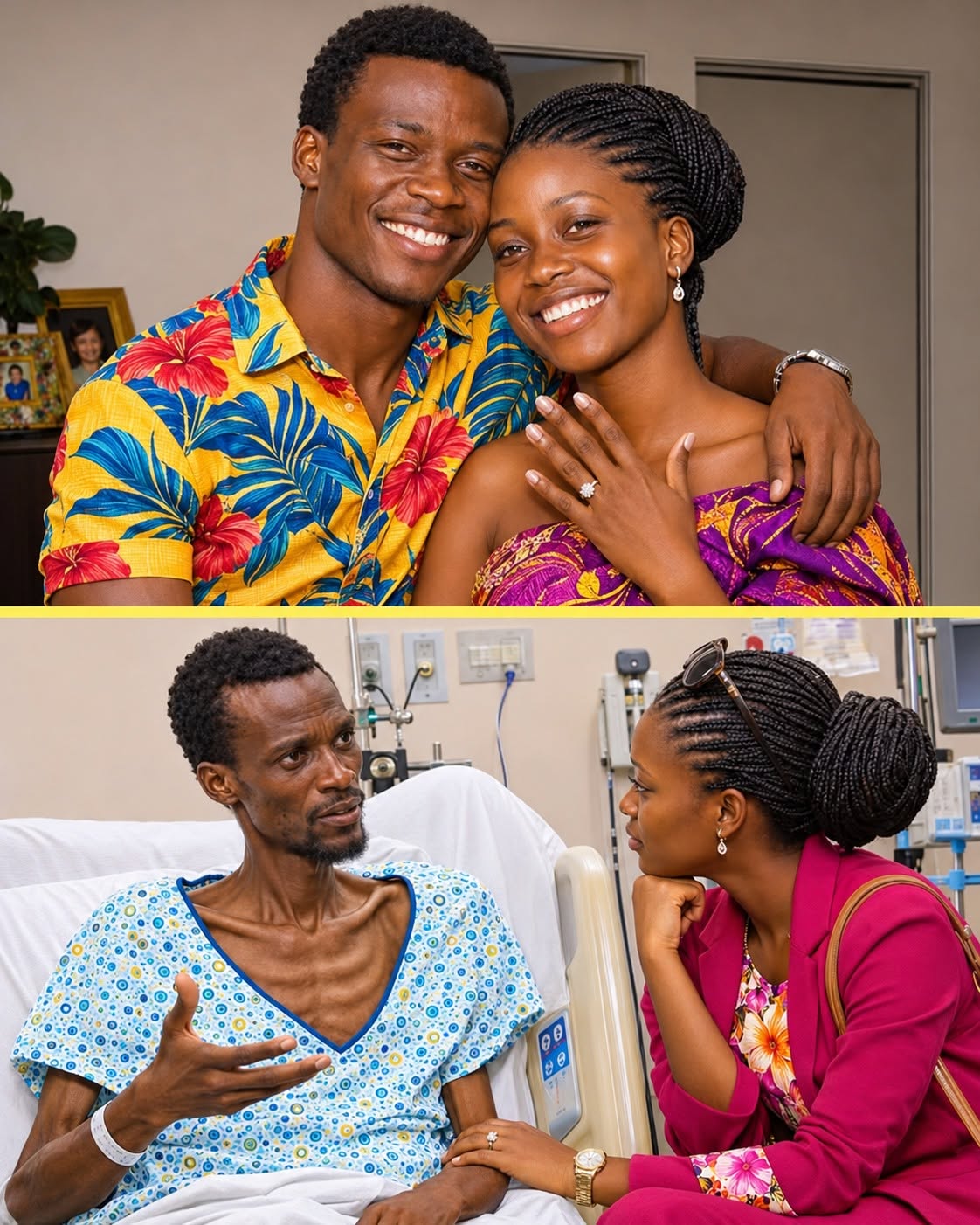
## CHAPTER 3: THE DOCUMENT WITH MY DAUGHTER’S NAME ON IT
For several seconds, I couldn’t move.
I stared at the document in my hands, reading the same words repeatedly, hoping I had misunderstood something.
At the top was Daniel’s full name.
Below it were several medical terms I barely recognized.
And near the bottom, written in bold letters, was our daughter’s name.
LILY WHITMORE — FIRST-DEGREE BIOLOGICAL RELATIVE.
My fingers began trembling.
“What does this mean?”
Daniel closed his eyes.
“It means there’s a possibility Lily inherited something from me.”
“What something?”
He swallowed painfully.
“A genetic mutation.”
I looked at him.
“Daniel, stop speaking in riddles. What disease are you talking about?”
He turned his face toward the window.
“Pancreatic cancer.”
The words seemed to drain all the air from the room.
I lowered the document.
“You’re telling me you’ve had pancreatic cancer for five years?”
He nodded.
“Yes.”
“Five years?”
“Yes.”
“And you never told me?”
He looked at me.
“No.”
I stood up so abruptly that the chair scraped against the floor.
“Do you understand what you’re saying? You had cancer while I was raising our children, celebrating their birthdays, worrying about school fees, and trying to understand why their father had suddenly become a stranger?”
Daniel’s eyes filled with tears.
“I know.”
“No, you don’t.”
My voice cracked.
“You let me believe you had replaced me. You let our children believe their father had simply stopped loving their mother. You let me explain your absence to them for five years.”
He turned his head away.
“I thought I was doing the right thing.”
I laughed bitterly.
“Well, you were wrong.”
He didn’t defend himself.
For once, he didn’t offer an excuse.
He simply lay there, looking smaller than the man I had once shared fourteen years of my life with.
I looked again at the medical report.
“How long do you have?”
Daniel hesitated.
“The doctors don’t think I have much time.”
My throat tightened.
“How much?”
“Maybe days. Maybe a few weeks.”
I gripped the edge of the bed.
“Why didn’t you call me sooner?”
He looked at me.
“Because I didn’t know how to face you.”
I shook my head.
“You’re unbelievable.”
“I know.”
“Do you know what I spent the first year after our divorce thinking?”
He remained silent.
“I thought you had found someone younger. Someone more exciting. Someone who didn’t have children to raise or bills to pay. I thought fourteen years with me had become so meaningless that you couldn’t even be bothered to fight for your family.”
His lower lip trembled.
“I never stopped loving you.”
“Don’t.”
I raised my hand.
“Please don’t say that now.”
He closed his eyes.
I looked toward the window, where the late afternoon light fell across the hospital curtains.
Then I turned back.
“Tell me everything. From the beginning. And don’t leave anything out.”
Daniel nodded.
He took a slow breath.
“Five years ago, about three months before I told you I was seeing someone, I started having stomach pain.”
I remembered that period.
He had complained about indigestion.
He had stopped eating certain foods.
Sometimes he woke in the middle of the night and walked around the house because lying down made the pain worse.
He had told me it was stress.
“I went to the doctor,” he continued. “They ordered scans. Then more scans. Then a biopsy.”
His eyes filled.
“Eventually, they told me it was pancreatic cancer.”
I sat down again.
“Was it already advanced?”
“Locally advanced. It hadn’t spread everywhere, but it was serious. They wanted to begin treatment immediately.”
I remembered his sudden business trips.
The evenings he had spent in his home office.
The days when he seemed exhausted.
The time he came home with a small bandage on his arm and told me he’d had a blood test.
I had believed him.
Because I had no reason not to.
Daniel continued.
“The doctors explained the treatment options. Chemotherapy, surgery if I responded well enough, and further treatment afterward. They also recommended genetic testing.”
“Why?”
“Because they wanted to know whether my cancer might be connected to an inherited mutation.”
He pointed toward the document.
“That’s where the BRCA2 result comes in.”
I looked down.
“BRCA2?”
He nodded.
“The laboratory found a harmful inherited mutation in that gene.”
I had heard of BRCA testing, but I didn’t understand what it meant for our family.
Daniel explained as carefully as he could.
“The doctors said the mutation could have contributed to my cancer. They also said I could pass it to either of our children.”
I swallowed.
“Both children?”
“Yes.”
“How likely?”
“Each child has a fifty percent chance of inheriting it.”
I felt dizzy.
“And Lily?”
“We don’t know whether she inherited it. The report isn’t her result. It’s a family-risk notification. Her name is there because the genetic counselor identified her as someone who should be offered testing.”
I stared at him.
“So she doesn’t necessarily have cancer?”
“No.”
He shook his head immediately.
“Please understand that. A genetic mutation is not the same as having cancer. If Lily inherited it, her risk of developing certain cancers could be higher, but it doesn’t mean she will definitely become ill.”
I closed my eyes.
For a moment, I could barely breathe.
“Does our son have the same risk?”
“Yes. Sam too.”
I looked at the document again.
“Then why does this only mention Lily?”
“Because the genetic counselor prepared a separate family information letter for each child. I kept the copies.”
“Where are they?”
“In the envelope.”
I looked at the small, worn envelope beside him.
There were two more folded pages inside.
One carried Lily’s name.
The other carried Sam’s.
My eyes filled.
“Why didn’t you tell us?”
Daniel stared at his hands.
“At first, I thought I would recover.”
“And then?”
“Then the treatment worked for a while. I went into remission. I thought I could keep everything normal.”
He swallowed.
“But when the cancer returned, I couldn’t bring myself to tell you.”
I stared at him.
“That still doesn’t explain the divorce.”
His eyes met mine.
“I know.”
“Explain it.”
He took a shaky breath.
“I was terrified.”
“Of what?”
“Of becoming a burden.”
I shook my head.
“You keep using that word as though loving someone is a burden.”
He looked down.
“I had watched you for fourteen years. I knew how much you carried. I knew how many times you put your own plans aside for me and the children.”
He paused.
“When the doctor told me about the cancer, I started imagining what would happen if I told you.”
His voice became quieter.
“You would have tried to save me. You would have spent every dollar. You would have sold the house if necessary. You would have stopped working. You would have turned our entire life into a hospital schedule.”
I stared at him.
“That would have been my decision.”
“I know that now.”
“No, Daniel. You knew it then, too.”
He began crying.
“I couldn’t stand the thought of watching you sacrifice everything for a man who might die anyway.”
I leaned forward.
“And instead, you sacrificed our marriage without asking me.”
He didn’t answer.
I continued.
“You decided I wasn’t strong enough to choose. You decided our children weren’t entitled to know. You decided that your fear mattered more than our right to understand what was happening.”
Daniel covered his face.
“You’re right.”
I had imagined confronting him a thousand times during the five years after our divorce.
I had imagined him admitting that he was selfish.
I had imagined him apologizing for the affair.
I had imagined him asking for forgiveness.
I had never imagined discovering that the man I hated had been fighting a terminal illness while I was fighting the memory of him.
But the revelation didn’t erase the damage.
It made the damage more complicated.
I wiped my cheeks.
“Who treated you?”
“Dr. Meera Patel. She’s my oncologist.”
“Is she the person you told me you were seeing?”
He nodded.
I stared.
“You let me believe she was your lover.”
“I know.”
“You deliberately chose those words.”
“Yes.”
“Why?”
He looked ashamed.
“Because I knew what you would think.”
I shook my head slowly.
“So when I asked how long, you were talking about how long you’d been seeing your doctor?”
“Yes.”
“And when I asked who, you said it didn’t matter.”
He nodded.
I gave a small, disbelieving laugh.
“You turned a medical appointment into an affair.”
Daniel closed his eyes.
“I thought if you hated me, you would leave without feeling responsible for what happened to me.”
I looked at him.
“Well, congratulations.”
He flinched.
“You got exactly what you wanted.”
A tear rolled down his cheek.
“I know.”
I stood.
“I need to speak to your doctor.”
He nodded.
“Of course.”
“And I need to speak to Lily and Sam.”
His expression changed.
“Please don’t tell them until I’ve had a chance to—”
I stared at him.
“Until you’ve had a chance to what? Prepare another lie?”
He fell silent.
I reached for my phone.
“I am not protecting you from the consequences of your decisions anymore, Daniel.”
Then I walked toward the door.
Just before I left, he called my name.
I turned.
He looked frightened.
“Please tell them I love them.”
I swallowed.
“You can tell them yourself.”
He lowered his eyes.
And for the first time since entering that hospital room, I saw something that made my anger falter.
Daniel wasn’t afraid of dying as much as he was afraid that his children would remember him as the father who had chosen to leave.
But he still had an opportunity to change that.
And I wasn’t going to let him waste it.
## CHAPTER 4: MY CHILDREN LEARNED THE TRUTH ABOUT THEIR FATHER — AND MY DAUGHTER ASKED A QUESTION THAT BROKE MY HEART
I called Lily first.
She answered on the second ring.
“Mom? Everything okay?”
I looked through the hospital window.
Daniel was lying motionless beneath the white blanket.
“No, sweetheart. I need you and Sam to come to the hospital.”
There was a pause.
“Is Dad okay?”
I struggled to find the right words.
“He’s very sick.”
“What happened?”
“I’ll explain when you get here.”
“Is it serious?”
I closed my eyes.
“Yes.”
Her voice changed immediately.
“Okay. I’ll call Sam.”
Before hanging up, she asked:
“Mom, is Dad dying?”
I couldn’t lie.
“I don’t know exactly how much time he has.”
There was silence.
Then she whispered:
“We’re coming.”
Lily arrived first.
She was twenty-four now, working as a junior architect in the city.
She had inherited Daniel’s dark eyes and my stubbornness.
Sam arrived twenty minutes later.
At twenty-one, he was taller than his father had ever been, with broad shoulders and an easy smile that disappeared the moment he saw the hospital room.
They both stopped at the doorway.
Lily stared.
“That’s Dad?”
Daniel attempted a smile.
“Hello, sweetheart.”
She walked toward him slowly.
“What happened to you?”
He looked at her.
“I’ve been sick.”
“How sick?”
He glanced at me.
I stepped forward.
“Your father has cancer.”
Sam frowned.
“What?”
Daniel nodded.
“Pancreatic cancer.”
Lily covered her mouth.
“Since when?”
Daniel looked down.
“Five years.”
Nobody moved.
Sam’s expression changed.
“Five years?”
Daniel nodded.
“And you didn’t tell us?”
“I wanted to explain.”
Sam let out a short laugh.
“Explain what? That you were dying and decided we didn’t deserve to know?”
“Sam—”
“No.”
He stepped closer.
“Don’t say my name like that.”
Daniel closed his eyes.
Sam continued.
“Do you remember when I broke my wrist three years ago? You came to the hospital for twenty minutes and left because you said you had work.”
Daniel nodded slowly.
“I remember.”
“I thought you didn’t care.”
“I did care.”
“Then why didn’t you stay?”
Daniel began crying.
“Because I was having treatment that afternoon.”
Sam stared.
“Treatment?”
“Chemotherapy.”
My son stepped backward.
I watched his face change as years of memories rearranged themselves.
The birthday parties Daniel had attended and left early.
The school events where he had sat at the back.
The family photographs in which he always seemed thinner.
The Christmas when he had refused dinner.
Sam looked at him.
“All those years…”
Daniel nodded.
“I was sick.”
Lily began crying.
“Why didn’t you tell us?”
Daniel reached for her hand.
“Because I didn’t want you to grow up worrying about me.”
She pulled her hand away.
“You let me grow up thinking you didn’t want to be our father.”
Daniel’s face crumpled.
“I never stopped wanting that.”
“Then why did you leave?”
He struggled to speak.
“Because I was afraid.”
Lily shook her head.
“Of what?”
“Of making you watch me get worse.”
She wiped her cheeks.
“Well, now we’re watching you get worse anyway.”
Nobody spoke.
Then she said something that made Daniel cover his face.
“You didn’t protect us from your illness, Dad. You just made us grieve you while you were still alive.”
I turned away.
Because she was right.
And because hearing our daughter say it made the entire situation feel even more painful.
We spent the next hour talking.
Daniel told them about the diagnosis.
He explained the treatment.
He told them about the surgery that had initially helped and the period when doctors believed the cancer was under control.
He explained that it had returned and spread.
Sam listened with his arms crossed.
Lily cried quietly.
Finally, she asked:
“Is that why you divorced Mom?”
Daniel looked at me.
Then he nodded.
“Yes.”
She stared.
“So you never cheated?”
“No.”
“Never?”
“Never.”
Lily looked at me.
I nodded slowly.
“He told me he was seeing someone, but he was referring to his oncologist.”
Sam let out a breath.
“That’s insane.”
Daniel lowered his head.
“I know.”
“Did you think Mom would never find out?”
“I hoped she wouldn’t have to.”
Sam shook his head.
“You made her think she wasn’t good enough for you.”
Daniel began crying again.
“I know.”
Lily stepped toward the bed.
“Did you ever stop loving her?”
Daniel looked at me for a long time.
Then he answered.
“No.”
I felt something tighten inside my chest.
Lily looked at him.
“Then you were even more foolish than I thought.”
Despite everything, Daniel laughed weakly.
“Probably.”
Sam shook his head.
“I can’t believe you.”
Then he looked toward the window.
“Do you know how many times I wanted to ask you why you didn’t fight for us?”
Daniel whispered:
“Too many?”
“Every year.”
Sam turned back.
“I thought you chose your freedom over us.”
Daniel reached toward him.
Sam hesitated.
Then he took his father’s hand.
“I don’t know if I can forgive you today.”
Daniel nodded.
“You don’t have to.”
“But I don’t want you dying without knowing that I still love you.”
Daniel broke down.
He pulled Sam’s hand toward his chest.
And our son finally began to cry.
That evening, after the children left to get some rest, I returned to Daniel’s room.
He was awake.
“How are they?”
I sat down.
“Upset.”
He nodded.
“They have every right.”
“Yes.”
He stared at the ceiling.
“I wanted them to remember me as someone strong.”
I looked at him.
“Daniel, they didn’t need a perfect father.”
He turned toward me.
“They needed an honest one.”
He nodded.
“I know.”
I took the family-risk letters from the envelope.
“We need to arrange genetic counseling.”
He became serious.
“Yes.”
“Have you already contacted anyone?”
“My oncologist can arrange it.”
“Then we’ll do it tomorrow.”
He nodded.
I studied his face.
“Why didn’t you tell me about the genetic result when we divorced?”
He was quiet for a long time.
Then he said:
“Because I thought I was going to die before the children were old enough to understand.”
I felt my throat tighten.
“And when you survived?”
“I kept telling myself I would tell you when the time was right.”
“When was that supposed to be?”
He closed his eyes.
“I don’t know.”
I looked at the man I had married.
The man who had once promised never to keep secrets from me.
And I realized that his fear had become its own kind of prison.
He had built a life around avoiding one difficult conversation.
Then another.
Then another.
Until five years had disappeared.
I reached for the glass of water on his bedside table.
“Drink something.”
He accepted it.
Then he looked at me.
“Thank you for bringing them.”
I nodded.
“They deserve the truth.”
He lowered the glass.
“Will you stay for a while?”
I hesitated.
Then I pulled the chair closer.
“For a little while.”
He closed his eyes.
And I sat beside him.
Not as his wife.
Not as the woman who had promised to love him forever.
But as the mother of his children.
And as someone who had finally discovered that the story she had told herself for five years was incomplete.
The following morning, I met Dr. Meera Patel.
She was a woman in her early fifties, with kind eyes and a calm manner.
She greeted me in a small consultation room.
“Mrs. Whitmore, I’m glad you came.”
I sat down.
“Please tell me everything.”
She opened Daniel’s medical file.
“Daniel was diagnosed five years ago with pancreatic adenocarcinoma. At the time, the disease was locally advanced. We began chemotherapy, and he eventually became eligible for surgery.”
I listened.
“His treatment was successful for a period. Unfortunately, the cancer returned and later spread to other organs.”
“Is there anything else that can be done?”
She looked at me carefully.
“We have discussed additional treatment options. At this stage, however, the disease has progressed significantly. Our focus is on keeping him comfortable and treating symptoms. We are also discussing palliative care.”
I nodded, struggling to breathe.
Then I pointed toward the genetic report.
“What about this?”
Dr. Patel turned to another page.
“Daniel underwent hereditary cancer testing. The results identified a pathogenic BRCA2 variant.”
She explained that BRCA2 was involved in DNA repair.
A harmful inherited variant could increase the likelihood of certain cancers, including breast, ovarian, prostate, pancreatic, and some other cancers.
“Does that mean our daughter will get cancer?”
“No.”
Her answer was immediate.
“Please don’t interpret this result that way.”
She leaned forward.
“Each biological child has a fifty percent chance of inheriting the variant. But inheriting the variant does not mean inheriting cancer. It means having an increased lifetime risk that can be managed with appropriate medical care.”
I nodded.
“What happens if Lily tests positive?”
“She would receive specialized counseling. Depending on her age and circumstances, we would discuss appropriate screening and prevention strategies. She would have time to make informed decisions.”
“And Sam?”
“The same principle applies, although the recommended screening schedule differs for men.”
I looked at her.
“Can they both be tested?”
“Yes. They are adults. We can arrange counseling and testing if they choose to proceed.”
I swallowed.
“How long will the results take?”
“Usually a few weeks.”
I nodded.
Then I asked the question that had been troubling me since the previous night.
“Doctor, did Daniel ask you to keep this secret from me?”
Dr. Patel hesitated.
“He asked that we respect his privacy.”
I looked at her.
“Did you know he was using the diagnosis as a reason for divorce?”
Her expression changed.
“Not initially.”
She closed the file.
“When he first came to me, he was frightened. He repeatedly talked about his wife and children. He said he didn’t want them to see him deteriorate.”
I lowered my eyes.
“He never mentioned that he had told me he was having an affair.”
Dr. Patel looked genuinely saddened.
“No. He didn’t.”
I took a breath.
“Did you ever tell him that leaving us wasn’t necessary?”
She nodded.
“More than once.”
I looked up.
She continued.
“I told him that his family deserved to make their own decisions. I explained that a cancer diagnosis didn’t mean he had to isolate himself. But Daniel was very determined.”
I stared at her.
“So he ignored you.”
“Yes.”
I looked toward the hospital corridor.
Then Dr. Patel said something I hadn’t expected.
“There’s another reason I wanted you to come.”
“What?”
She opened a folder.
“Daniel has been asking us to arrange something for his children.”
She removed a document.
It was a referral to the hereditary cancer clinic.
Beside Lily’s name was a handwritten note.
Please make sure she understands she has options. Don’t frighten her.
Beside Sam’s name was another note.
Please tell him early detection is not a death sentence.
I felt tears gather in my eyes.
Daniel had finally understood that the children needed information more than protection.
But he had waited until he was almost out of time.
I looked at Dr. Patel.
“Will you help us?”
She smiled gently.
“Of course.”
And for the first time since receiving Daniel’s call, I felt that something constructive might come from all the pain.
We could not change what he had hidden. But we could make sure our children never had to live in the dark because of it.
## CHAPTER 5: WE FOUND FIVE YEARS OF UNSENT LETTERS — AND EVERY SINGLE ONE BEGAN WITH THE WORDS “MY DEAREST FAMILY”
Two days after meeting Dr. Patel, Daniel asked me to visit his apartment.
He was too weak to leave the hospital, but he wanted me to collect something.
“There’s a box in the bedroom closet,” he said over the phone.
“What box?”
“The brown wooden one. It’s on the top shelf.”
“What am I supposed to do with it?”
“Bring it to the hospital.”
I hesitated.
“What’s inside?”
He was quiet for a moment.
“Things I should have given you a long time ago.”
I closed my eyes.
“All right.”
His apartment was exactly as I remembered it.
Small.
Quiet.
Almost painfully tidy.
There were no photographs of another woman, no evidence of a new relationship, and no signs of the exciting new life I had imagined he was building after our divorce.
Instead, there was a single sofa, a small dining table, a television, and a bookshelf filled with old novels.
On the kitchen counter sat a photograph of Lily and Sam.
They were teenagers in the picture, standing beside Daniel at a school event.
He was smiling, but I noticed something I hadn’t noticed when the photograph was taken.
He looked incredibly thin.
I picked it up.
I remembered that day.
Lily had received an award at school. Daniel had arrived late, stayed for the ceremony, and left before we could all have dinner.
I had been furious.
I had accused him of being unreliable.
Now I wondered whether he had gone straight from that school hall to a chemotherapy appointment.
I placed the photograph back.
Then I went into the bedroom.
The brown wooden box was exactly where he said it would be.
It was heavier than I expected.
When I brought it down, the lid shifted slightly.
Inside were envelopes.
Dozens of them.
Some were yellowed with age.
Others looked relatively new.
Each one had a name written across the front.
Lily.
Sam.
My children.
And one that made me stop breathing.
To the woman I loved before I knew how much time we had.
I sat on the edge of the bed.
My hands began trembling.
I opened the first envelope.
It was dated five years earlier.
The letter began:
My dearest family,
Today I learned that I have cancer. I haven’t told you yet. I don’t know how to say the words without watching your lives change forever.
I looked at our wedding photograph this morning. You were laughing because I had forgotten to bring the rings to the church.
I remember thinking that I would spend the rest of my life making you laugh.
I hope I get the chance.
I stopped reading.
My eyes filled with tears.
I opened another letter.
It was addressed to Lily.
My little girl,
Today you received your first job offer. I wanted to call you and tell you how proud I am.
I wanted to ask whether you were nervous, whether you had found something nice to wear, and whether you remembered to eat breakfast.
Instead, I sat in my apartment looking at your photograph.
I am proud of you, Lily. More than you will ever know.
I put the letter down.
There were more.
A letter written on Sam’s eighteenth birthday.
Another written on our wedding anniversary.
One dated Christmas Eve.
And another written on the day Lily graduated from university.
I realized that Daniel had been documenting the milestones he couldn’t bring himself to celebrate with us.
But there was something even more heartbreaking.
Every letter began with an expression of love and ended with an apology.
He had written hundreds of words explaining why he couldn’t bring himself to tell us the truth.
Yet he had never found the courage to send even one.
I placed the letters carefully back into the box.
Then I noticed a smaller envelope tucked beneath them.
It carried my name.
I opened it.
Inside was a photograph of us on our wedding day.
I was twenty-six.
Daniel was twenty-eight.
We were standing beneath a white flower arch, laughing at something the photographer had said.
On the back, he had written:
I have never regretted marrying you. Not once.
I pressed the photograph against my chest.
And I cried.
Not because I suddenly wanted our marriage back.
But because I was grieving something I hadn’t known I had lost.
The truth about the man I had loved.
When I returned to the hospital, Lily and Sam were already there.
Daniel smiled when he saw the box.
“You found it.”
I placed it on the table.
“Daniel, what’s all this?”
He looked at the envelopes.
“Five years of things I couldn’t say.”
Lily reached for one.
“Can I read it?”
Daniel nodded.
She opened the envelope addressed to her.
Sam took his own.
I held the letter with my name.
For several minutes, the room was filled only with the sound of paper unfolding.
Then Lily began crying.
Sam stared at his letter for a long time before looking at his father.
“You wrote this when I turned eighteen?”
Daniel nodded.
“Yes.”
“Why didn’t you send it?”
“I was afraid.”
Sam shook his head.
“You keep saying that.”
Daniel looked at him.
“Because it’s true.”
Sam swallowed.
“Do you know what I wanted when I turned eighteen?”
Daniel shook his head.
“I wanted you to take me driving. I wanted to ask you about university. I wanted you to tell me whether I was making the right decisions.”
Daniel’s eyes filled.
“I know.”
“No, Dad. You don’t.”
Sam looked down at the letter.
“I didn’t need a perfect father. I needed my father.”
Daniel began crying.
Lily reached for his hand.
“Why did you keep all these?”
Daniel smiled sadly.
“Because I couldn’t bear to throw away the things I wanted to tell you.”
I looked at the box.
“Then why didn’t you give them to us when you realized you might not have much time?”
He looked at me.
“I thought I still had time to find the right words.”
I shook my head.
“Sometimes the right words are simply the truth.”
He nodded.
“I know.”
That afternoon, something unexpected happened.
A nurse entered carrying a small package.
“Mr. Whitmore, this arrived for you.”
Daniel looked confused.
“From whom?”
The nurse checked the label.
“Your name is on it. There’s no sender listed.”
She placed it on the bedside table.
Daniel stared at the package.
Then he looked at me.
“Could you open it?”
I removed the wrapping paper.
Inside was a small wooden frame.
It contained a photograph of our family taken fourteen years earlier.
Lily was five.
Sam was two.
Daniel was holding both children while I stood beside him.
We were on a beach.
The children were laughing.
The sky was blue.
And we all looked impossibly happy.
Beneath the photograph was a handwritten message.
Some families lose their way. Some find their way back. The important thing is not to stop loving each other.
There was no signature.
I turned the frame over.
A small card was tucked behind it.
It had been sent by Daniel’s older sister, Margaret.
I hadn’t spoken to her properly in years.
I called her immediately.
She answered on the first ring.
“Hello?”
“Margaret, it’s me.”
There was a pause.
“Oh, sweetheart.”
Her voice broke.
“How is he?”
I looked at Daniel.
“Not good.”
She sighed.
“I know.”
I frowned.
“You know?”
“Daniel called me last month.”
I looked at him.
“Last month?”
Margaret continued.
“He told me he was dying. He asked me to send that photograph because he wanted the children to remember what their family looked like before everything became complicated.”
I swallowed.
“Why didn’t you tell me?”
She was quiet.
“Because he begged me not to interfere.”
I closed my eyes.
Then Margaret said something that surprised me.
“There’s something else you should know.”
“What?”
“Daniel wasn’t alone during those five years.”
I looked toward the bed.
“What do you mean?”
“Every Wednesday, he attended a cancer support group. He helped other patients with transportation, paperwork, and finding treatment resources.”
I stared.
“Daniel?”
“Yes. He never told you because he didn’t want anyone feeling sorry for him.”
She paused.
“He also helped a young father who had recently been diagnosed. The man had two small children and was considering leaving his family because he thought they would be better off without him.”
My stomach tightened.
“What did Daniel tell him?”
Margaret gave a sad laugh.
“He told him not to make the same mistake.”
I looked at Daniel.
He had closed his eyes.
I understood.
He had spent five years warning another man against the very decision he had made himself.
“Why didn’t he listen to his own advice?” I whispered.
Margaret answered:
“Because sometimes it’s easier to recognize someone else’s fear than your own.”
I ended the call.
Then I sat beside Daniel.
He opened his eyes.
“You spoke to Margaret?”
I nodded.
“She told me about the support group.”
He looked embarrassed.
“It wasn’t anything important.”
“Daniel.”
He turned toward me.
“You helped another family.”
He shrugged weakly.
“They needed help.”
I looked at him.
“And you thought your own family didn’t?”
He lowered his eyes.
For a moment, neither of us spoke.
Then I took his hand.
“I wish you had let us help you.”
He squeezed my fingers.
“So do I.”
That evening, we discussed the genetic testing again.
Lily was frightened.
Sam tried to pretend he wasn’t.
Daniel looked at both of them.
“I want you to do the testing.”
Lily nodded.
“Okay.”
Sam looked at his father.
“What if one of us has the mutation?”
Daniel swallowed.
“Then you’ll know what you’re dealing with. You’ll have doctors who understand it. You’ll have options.”
He paused.
“Don’t make my mistake. Don’t hide from information because you’re afraid of what it might mean.”
Sam nodded.
“I won’t.”
Lily leaned forward.
“Promise us something.”
Daniel looked at her.
“What?”
“From now on, no more secrets.”
He looked at me.
Then at both children.
And he nodded.
“I promise.”
The next morning, Lily and Sam met with the genetic counselor.
Her name was Dr. Rachel Morgan.
She explained the testing process, discussed the implications of the BRCA2 result, and answered their questions.
Lily asked whether a positive result meant she would definitely develop breast or ovarian cancer.
Dr. Morgan explained that it did not.
She discussed enhanced screening, risk-reduction strategies, and the importance of individualized medical advice.
Sam asked whether men could develop cancers associated with BRCA2.
She explained that men could also have increased risks, including prostate cancer, male breast cancer, and pancreatic cancer.
Then she looked at both of them.
“Whatever your results show, remember something important.”
They listened.
“Knowledge gives you choices. It does not write your future for you.”
Lily nodded.
Sam took a deep breath.
They both agreed to proceed.
The samples were collected.
The counselor explained that the results would take approximately two weeks.
Two weeks.
Daniel might not have two weeks.
I didn’t say that aloud.
Neither did the children.
But we all understood.
That evening, Daniel asked me to stay after Lily and Sam left.
“I want to ask you something.”
“What?”
He looked nervous.
“Would you consider letting me come home?”
I stared at him.
“Home?”
“Just for a little while. I don’t want my last days to be in this hospital room.”
I looked toward the window.
The thought frightened me.
Our house still contained memories of our marriage.
The children’s childhood bedrooms.
The kitchen where he had confessed to seeing someone else.
The hallway where we had once measured the children’s heights.
But perhaps it also contained something else.
A place where our family could finally tell the truth.
I looked back at him.
“If the doctors agree, we can arrange home hospice.”
His eyes filled.
“Thank you.”
I shook my head.
“Don’t thank me yet. We’re going to have some difficult conversations.”
He smiled weakly.
“I deserve them.”
“Yes, you do.”
For the first time, we both laughed.
And somehow, that small moment felt like the beginning of something we should have had years earlier.
Not a marriage restored, but a family finally allowed to become honest again.
## CHAPTER 6: THE GENETIC RESULTS ARRIVED — AND THE CHILD I HAD BEEN MOST WORRIED ABOUT WAS NOT THE ONE WHO TESTED POSITIVE
Daniel came home four days later.
The doctors arranged hospice care, and a nurse named Evelyn visited twice daily.
We converted the downstairs guest room into a comfortable bedroom.
I brought in his favorite blanket.
Lily bought fresh flowers.
Sam installed a small television because his father complained that the hospital channels were unbearable.
Daniel watched us making arrangements.
At one point, he looked at me and whispered:
“You don’t have to do all this.”
I adjusted the pillows.
“I know.”
“You have your own life.”
I looked at him.
“So do you. And right now, we’re going to make sure you’re comfortable.”
He smiled.
“You’re still stubborn.”
I raised an eyebrow.
“Look who’s talking.”
He laughed.
For a moment, it felt like the old days.
Not the marriage.
Not the arguments.
Just two people who knew one another well enough to understand a joke without explaining it.
The first few days at home were peaceful.
Daniel spent much of his time resting.
Sometimes he watched television.
Sometimes he listened to music.
And sometimes he asked the children to sit beside him while he told them stories about their childhood.
Lily brought out old photographs.
Sam found a video of Daniel teaching him how to ride a bicycle.
We watched it together.
On the screen, Sam was seven years old.
Daniel ran behind the bicycle, holding the seat.
“Keep pedaling!”
Sam shouted.
“Don’t let go!”
Daniel laughed.
“I’m not letting go!”
Then he released the seat.
Sam rode several meters before falling into the grass.
The video ended with both of them laughing.
Sam stared at the screen.
“I remember that.”
Daniel smiled.
“You were furious with me.”
“I thought you pushed me.”
“You were supposed to learn to balance.”
Sam laughed.
Then his face became serious.
“I wish we’d done more things like that.”
Daniel reached for his hand.
“Me too.”
On the sixth day after Daniel came home, the genetic counselor called.
I was in the kitchen when Lily answered.
She was sitting beside the living-room window.
Her expression changed almost immediately.
She listened carefully.
Then she closed her eyes.
“Okay.”
She swallowed.
“Thank you for explaining.”
She ended the call.
I put down the cup I was holding.
“Lily?”
She looked at me.
“I got my result.”
I walked toward her.
“What’s the result?”
She held out the paper.
I read the first paragraph.
Then I read it again.
Lily had not inherited Daniel’s BRCA2 mutation.
I closed my eyes.
“Oh, sweetheart.”
She began crying.
I hugged her.
For a moment, we simply held one another.
Then she whispered:
“I’m okay.”
I kissed her forehead.
“Yes.”
She nodded.
“But Sam hasn’t received his yet.”
We both looked toward the living room.
Sam was sitting beside Daniel.
He was laughing at something his father had said.
My stomach tightened.
I looked at Lily.
“We’ll face whatever happens together.”
She nodded.
Sam’s result arrived two days later.
He had chosen to receive the news privately with the genetic counselor.
When he returned home, he was unusually quiet.
I was waiting in the kitchen.
“Sam?”
He looked at me.
“Can we talk?”
My heart began beating faster.
“Of course.”
He sat down.
Then he placed the document on the table.
I opened it.
And I felt the world stop.
Sam had inherited the pathogenic BRCA2 variant.
I looked up.
He was staring at the table.
“Does that mean I’m going to get cancer?”
I immediately reached for his hand.
“No.”
He looked at me.
“Are you sure?”
I nodded.
“Your counselor explained it, remember? It increases your risk. It doesn’t mean you will definitely become sick.”
He looked down again.
“Like Dad.”
I swallowed.
“Yes, like Dad in the sense that you share the inherited variant. But your future is not predetermined.”
He rubbed his forehead.
“I don’t know how to feel.”
I sat beside him.
“You don’t have to know right now.”
He looked at me.
“I was relieved when Lily told me hers was negative.”
I nodded.
“And then I got mine.”
He paused.
“I feel guilty for being relieved for her.”
I shook my head.
“Don’t.”
He stared at the report.
“She doesn’t have to worry about this.”
“She has other things to worry about. You both have your own lives.”
He gave a small, unhappy laugh.
I squeezed his hand.
“Sam, listen to me.”
He looked up.
“You have a genetic risk. You do not have a cancer diagnosis. Those are two very different things.”
He nodded slowly.
“Okay.”
“We’ll follow the medical advice. We’ll attend every appointment. We’ll ask every question.”
He took a breath.
“Okay.”
Then he looked toward the living room.
“Does Dad know?”
I shook my head.
“Not yet.”
He stood.
“Then I want to tell him.”
Daniel was awake when we entered.
He smiled at Sam.
“Hey, buddy.”
Sam sat beside him.
“Dad, my result came.”
Daniel’s expression changed.
“What did they say?”
Sam placed the report on the bedside table.
“I inherited the mutation.”
Daniel closed his eyes.
For several seconds, he didn’t speak.
Then he whispered:
“I’m sorry.”
Sam frowned.
“Why?”
“Because I passed it to you.”
Sam shook his head.
“You didn’t choose it.”
Daniel began crying.
“I should have told you sooner.”
“Yes, you should have.”
Daniel nodded.
“I should have told you when I first found out.”
Sam reached for his father’s hand.
“But you didn’t. We can’t change that.”
Daniel looked at him.
Sam continued.
“I’ll follow the doctors’ advice. I’ll get screened when they recommend it. I’ll make informed decisions.”
Daniel nodded.
“Good.”
Then Sam added:
“But I need you to promise me something.”
“Anything.”
“Don’t ever decide what’s best for me without asking me.”
Daniel closed his eyes.
“I promise.”
Sam squeezed his hand.
“Because I’m not afraid of knowing.”
Daniel began sobbing.
And I realized that our son was doing something his father had struggled to do for five years.
He was facing the truth without running away from it.
Later that afternoon, Dr. Morgan called to explain the results.
She confirmed that Lily’s test was negative for the specific familial BRCA2 variant.
Sam’s result was positive.
She emphasized that he was not ill and did not need to assume he would develop cancer.
His care plan would depend on his age, family history, and the recommendations of specialists familiar with hereditary cancer syndromes.
She also explained that the information could help him make informed decisions throughout his life.
When I asked what would happen next, she said:
“We’ll create a long-term follow-up plan. Sam will have access to specialist advice, and we can review recommendations as he gets older.”
I thanked her.
Then she said:
“Mrs. Whitmore, I want to tell you something.”
“What?”
“You’ve done something very important by bringing your children into this conversation.”
I looked toward the living room.
She continued.
“Many families avoid genetic discussions because they’re frightened. But knowing about a risk early can help people make better decisions.”
I nodded.
“Thank you.”
After the call, I sat beside Daniel.
He was staring at the ceiling.
“Lily is negative,” I told him.
He smiled faintly.
“That’s wonderful.”
“And Sam inherited it.”
His smile disappeared.
“I know.”
I took his hand.
“He’s handling it.”
Daniel swallowed.
“I wish I could have protected him.”
I looked at him.
“You can still do something.”
He turned toward me.
“What?”
“Teach him how to live without fear.”
He looked at me for a long time.
Then he nodded.
That evening, Daniel asked everyone to gather in the living room.
Lily sat beside him.
Sam took the armchair.
I brought tea.
Daniel looked around.
“I want to say something.”
Lily smiled faintly.
“Are you making another speech?”
He laughed.
“Apparently.”
Then he became serious.
“When I received my genetic result, I made a mistake.”
He paused.
“I treated the information like a death sentence. I thought that if I told you, I would destroy your happiness.”
He looked at Sam.
“I was wrong.”
Then he looked at Lily.
“I was wrong to hide the possibility that you might inherit something. I was wrong to decide that you couldn’t handle the truth.”
He took a breath.
“And I was wrong to turn your mother into the villain of a story she never chose to be part of.”
I lowered my eyes.
He continued.
“I thought I was protecting everyone by leaving.”
His voice cracked.
“But all I did was leave everyone confused.”
Sam leaned forward.
“Then don’t do it again.”
Daniel nodded.
“I won’t.”
Lily reached for his hand.
“We know.”
He looked at me.
“Can I say something to your mother?”
I smiled faintly.
“She’s sitting right here.”
He swallowed.
“I know.”
Then he looked directly into my eyes.
“I am sorry for the years I stole from you.”
I felt tears gathering.
He continued.
“I can’t give them back. I can’t undo the divorce. I can’t erase what I made you believe.”
He paused.
“But I want you to know that none of it happened because you weren’t enough.”
My lips trembled.
“You were always enough.”
For a moment, I couldn’t speak.
Then I answered:
“I know that now.”
He nodded.
And that was the first time I had seen Daniel look genuinely relieved since the hospital.
The following morning, I found him sitting by the living-room window.
He was looking at the garden.
I brought him a cup of tea.
“Couldn’t sleep?”
He smiled.
“I was thinking.”
“About what?”
He looked at the garden.
“Remember when we planted those roses?”
I nodded.
“They died twice.”
He laughed.
“Because I kept overwatering them.”
“You insisted you knew what you were doing.”
“I was very confident.”
I smiled.
Then he became quiet.
“I miss this.”
“What?”
“Ordinary things.”
He looked at me.
“Making tea. Hearing the children argue. Watching you move things around because you think the room looks better another way.”
I laughed softly.
“Someone has to keep this house organized.”
He nodded.
Then he said:
“I don’t want my last memories to be of the hospital.”
I looked at him.
“Then let’s make some better ones.”
He smiled.
And for the next few days, that’s exactly what we tried to do.
We stopped spending every hour discussing the illness and started spending time remembering the life that had existed before it.
We cooked together.
We watched old films.
We listened to music.
And sometimes, when Daniel was strong enough, we sat in the garden and watched the sun disappear behind the houses.
It wasn’t the future we had planned.
But it was time we still had.
And I had finally learned not to waste it.
## CHAPTER 7: THREE DAYS BEFORE HIS DEATH, DANIEL ASKED ME TO WEAR THE DRESS I HAD WORN ON OUR WEDDING DAY
By the seventh day at home, Daniel had become noticeably weaker.
He slept more.
He ate very little.
Some afternoons, he struggled to finish a conversation without closing his eyes.
Evelyn, his hospice nurse, explained that his condition was progressing.
She was gentle but honest.
“His body is becoming tired,” she told me privately. “We’ll continue making sure he’s comfortable.”
I nodded.
I had spent the previous five years believing Daniel had chosen a life without us.
Now I was spending every available moment making sure he didn’t have to face his final days alone.
Life had a strange way of rearranging everything.
One morning, Daniel asked me to open the bedroom wardrobe.
“What are you looking for?”
“The blue shirt.”
I found it hanging behind his jackets.
It was one of his old favorites.
I brought it over.
He touched the fabric.
“Do you remember this?”
I smiled faintly.
“You wore it to Lily’s first birthday.”
He nodded.
“And to our anniversary dinner.”
I laughed.
“You wore it so often I thought it was the only shirt you owned.”
He smiled.
Then he looked at me.
“Would you do something for me?”
“What?”
“Find the dress you wore at our wedding.”
I stared at him.
“Why?”
“I want to see it.”
I hesitated.
The dress was stored in a large garment bag in the upstairs closet.
I hadn’t looked at it since the divorce.
It had been fourteen years old when our marriage ended.
I had considered giving it away several times.
But I never had.
“I’ll look for it.”
He smiled.
“Thank you.”
That afternoon, I brought it downstairs.
It was an ivory dress with delicate lace along the sleeves.
The fabric had yellowed slightly.
The zipper was stiff.
But it was still beautiful.
Daniel stared at it.
For a long time, he didn’t speak.
Then he whispered:
“You were so beautiful.”
I felt my throat tighten.
“That was a long time ago.”
He shook his head.
“Not to me.”
I sat beside him.
He touched the lace.
“Do you remember what I said when we left the church?”
I smiled faintly.
“You said you were starving.”
He laughed.
“I was.”
“You wanted pizza instead of the fancy dinner.”
“I still think that was a good decision.”
We both laughed.
Then he became quiet.
“I remember something else.”
“What?”
“You told me you wanted a house with a garden.”
I nodded.
“And children.”
“And a kitchen big enough for everyone to gather.”
I looked around the room.
We had built all of that.
The house.
The garden.
The family.
And somehow, we had lost our way inside it.
Daniel looked at me.
“I got the house.”
I smiled sadly.
“We did.”
He nodded.
“And I got the children.”
“Yes.”
He swallowed.
“But I didn’t know how to keep the people I loved close.”
I looked down at my hands.
“Neither of us knew everything.”
He shook his head.
“No. But I should have trusted you.”
I didn’t answer immediately.
Then I said:
“Yes. You should have.”
He nodded.
There was no argument.
No attempt to excuse himself.
Just the truth.
And somehow, that made the moment easier.
Later that evening, Daniel asked the children to come into his room.
Lily sat on one side of the bed.
Sam sat on the other.
I stood near the doorway.
Daniel looked at them.
“I want to tell you something about your mother.”
Lily smiled faintly.
“You’re going to embarrass her?”
“Probably.”
Sam laughed.
Daniel looked at me.
“When I first met your mother, I was twenty-eight and completely convinced I knew everything.”
I raised an eyebrow.
“That’s still true.”
Everyone laughed.
He continued.
“She was the smartest person in any room. She was also the most stubborn.”
Lily nodded.
“Definitely inherited that from you, Mom.”
I rolled my eyes.
Daniel smiled.
“She had plans. She wanted to travel, build a career, and do things that frightened her a little.”
He paused.
“And then she met me.”
I laughed.
“You’re making yourself sound terrible.”
He smiled.
“Maybe I was.”
Then he looked at the children.
“Your mother gave up opportunities because she believed in our family. She worked harder than I ever acknowledged.”
His voice trembled.
“After the divorce, I let her believe I had stopped appreciating her.”
He looked directly at me.
“That was one of the cruelest things I ever did.”
Lily reached for his hand.
“Dad.”
He continued.
“Don’t ever take her for granted. Either of you.”
Sam nodded.
“We won’t.”
Daniel looked at me.
“And don’t let her pretend she doesn’t need help. She has a habit of carrying everything herself.”
I gave a small laugh.
“Excuse me. I’m still in the room.”
He smiled.
“I know.”
Then he whispered:
“I just want them to understand how lucky they are.”
My eyes filled.
I turned away.
Because I didn’t want him to see me crying again.
But he called my name.
I turned back.
“Yes?”
He looked at me.
“Thank you for raising them so well.”
I nodded.
“You’re their father, Daniel.”
“I know.”
He smiled weakly.
“But you did most of the hard work.”
I shook my head.
“We both did.”
For the first time, he didn’t argue.
The following morning, I found a small notebook on the bedside table.
It contained a list of names and dates.
Some were familiar.
Others weren’t.
At the top was written:
People I need to thank.
I read the list.
Dr. Patel.
Dr. Morgan.
Margaret.
Evelyn.
The children.
And finally:
The woman who kept our home standing.
There was no name.
Just that sentence.
I closed the notebook.
Then I sat beside him.
“Daniel?”
He opened his eyes.
“Yes?”
“What’s this?”
He looked at the notebook.
“Oh.”
I smiled faintly.
“You wrote a list.”
He nodded.
“I don’t want to forget anyone.”
I looked at the last line.
“Who is that supposed to be?”
He smiled.
“You know.”
I shook my head.
“Daniel…”
He reached for my hand.
“I know I don’t deserve everything you’ve done.”
I squeezed his fingers.
“That’s not the point.”
He looked at me.
I continued.
“I didn’t come here because you deserve something. I came because our children deserve to have their father, and because I don’t want either of us spending the time we have left arguing about the past.”
His eyes filled.
“Can you forgive me?”
The question hung between us.
I thought about the years of anger.
The nights I had cried after the children went to sleep.
The birthdays he had left early.
The way I had looked at myself in the mirror, wondering what I had done wrong.
Then I thought about the man in front of me.
A frightened man who had made a terrible decision and spent five years living inside it.
I took a breath.
“I can forgive you for being afraid.”
He closed his eyes.
“But I can’t pretend what you did was right.”
“I understand.”
“I also can’t promise that everything will suddenly feel normal.”
He nodded.
“I don’t expect that.”
I held his hand.
“But I don’t want you to die believing that I hate you.”
His face crumpled.
“Thank you.”
I smiled sadly.
“And for what it’s worth, I don’t regret the fourteen years we had.”
He looked at me.
“Neither do I.”
Then he whispered:
“I loved you every day.”
I looked at him.
“Then you should have told me.”
He nodded.
“I know.”
That afternoon, Daniel asked for the wedding dress again.
I placed it carefully across the foot of his bed.
He touched the lace.
Then he asked:
“Would you mind if we took a photograph?”
I stared.
“Now?”
He nodded.
“All four of us. Before I get any weaker.”
I called the children.
Lily brought the old camera from the living room.
Sam arranged the pillows.
I changed into a simple ivory blouse because Daniel had insisted I stand beside him.
We gathered around the bed.
Daniel looked at us.
“Everybody smile.”
Sam laughed.
“You’re the one who needs to smile, Dad.”
Daniel managed a weak grin.
The camera clicked.
And there we were.
Four people who had once been a family in the ordinary sense.
Four people who had been separated by a lie.
Four people who had finally found their way back into the same room.
When Lily showed us the photograph, Daniel stared at it.
Then he said:
“That’s the picture I wanted.”
I looked at him.
“Why?”
He smiled.
“Because nobody looks like they’re pretending.”
I felt tears running down my face.
He was right.
For the first time in five years, none of us was pretending.
That night, after the children went to bed, Daniel asked me to stay.
He seemed restless.
“Can I tell you something?”
“Of course.”
He looked toward the ceiling.
“When we divorced, I signed everything over because I wanted you and the children to be safe.”
I nodded.
“I know.”
“I didn’t fight for the house because I knew it was where the children felt secure.”
He paused.
“I didn’t fight for the savings because I knew you would need them.”
I looked at him.
“Daniel, we could have made those decisions together.”
He smiled sadly.
“Yes.”
Then he said something that surprised me.
“I kept one thing.”
I frowned.
“What?”
He reached toward the bedside table.
Inside the drawer was a small envelope.
He handed it to me.
I opened it.
Inside was a copy of an old life insurance policy.
It had been issued before his diagnosis.
The beneficiaries were Lily and Sam.
I stared at the document.
“You kept paying this?”
He nodded.
“Every month.”
“Why?”
He looked at me.
“Because I couldn’t give you the marriage you deserved, but I wanted to make sure the children had something if I wasn’t there.”
My eyes filled.
The policy wasn’t enormous.
It wouldn’t make anyone wealthy.
But it was enough to provide some security, especially now that Sam would need long-term medical follow-up.
I looked at Daniel.
“You could have told me.”
He smiled faintly.
“I know.”
I shook my head.
“You really have spent five years making everything harder than it needed to be.”
He laughed weakly.
“Apparently.”
I folded the document.
Then I placed it back in the envelope.
“Thank you.”
He nodded.
And I realized that even in the middle of all his mistakes, Daniel had never stopped thinking about the children’s future.
He had simply confused protecting them with keeping them uninformed.
The next morning, Evelyn called me into the kitchen.
“How is he today?”
I looked toward the bedroom.
“More tired.”
She nodded.
“That can happen.”
Then she said gently:
“I think you should prepare yourself.”
I knew what she meant.
I nodded.
“Thank you.”
She touched my arm.
“He’s comfortable. That’s important.”
I looked at the bedroom door.
Then I returned to him.
He was awake.
“Where have you been?”
“Talking to Evelyn.”
He smiled.
“She’s very kind.”
“Yes.”
He looked at me.
“Are you frightened?”
I sat beside him.
“Yes.”
He nodded.
“Me too.”
For a moment, neither of us spoke.
Then he whispered:
“Stay close to the children.”
I squeezed his hand.
“I will.”
“And make sure Sam keeps his appointments.”
“I will.”
“Tell Lily I’m proud of her.”
“You can tell her yourself.”
He smiled.
“You’re still trying to make me do everything.”
I laughed through my tears.
“Someone has to.”
Then he closed his eyes.
And I sat beside him until evening.
## CHAPTER 8: THE FINAL LETTER REVEALED THE ONE THING DANIEL HAD BEEN TRYING TO DO RIGHT — AND FIVE YEARS OF PAIN FINALLY GAVE WAY TO HOPE
The final night came sooner than any of us expected.
Daniel had barely eaten that day.
He was sleeping most of the time.
His breathing had become slower, and Evelyn had adjusted his medication to keep him comfortable.
Lily and Sam stayed beside him.
I sat near the window.
Around midnight, Daniel opened his eyes.
He looked toward Lily.
“Sweetheart?”
She immediately leaned closer.
“I’m here, Dad.”
He smiled.
“You’re beautiful.”
She began crying.
“Dad, please don’t.”
He reached for her hand.
“Don’t be afraid of your future.”
She nodded.
He looked toward Sam.
“And you.”
Sam moved closer.
“Yes?”
“Keep your appointments.”
Sam laughed through his tears.
“Even now you’re giving me instructions?”
Daniel smiled.
“Especially now.”
Sam squeezed his hand.
“I promise.”
Daniel looked at me.
For a moment, he simply watched me.
Then he whispered:
“Come closer.”
I moved beside him.
He struggled to lift his hand.
I took it.
“Thank you for coming back into my life.”
I shook my head.
“I never stopped being part of your life, Daniel. We just stopped knowing how to talk to each other.”
His eyes filled.
“Can I ask you one last thing?”
“Anything.”
“When the children remember me, don’t let them remember only the way I left.”
I looked at him.
“I won’t.”
“Tell them I loved them.”
I nodded.
“And tell them I loved you.”
My throat tightened.
“I know.”
He smiled.
Then he closed his eyes.
For a while, I thought he had fallen asleep.
But Evelyn came into the room and quietly checked his breathing.
She looked at us.
And I understood.
We gathered around the bed.
Lily held his left hand.
Sam held his right.
I rested my hand on his shoulder.
Daniel opened his eyes once more.
He looked at each of us.
And with almost no strength left, he whispered:
“My family.”
Those were his final words.
Daniel died peacefully shortly after three in the morning, surrounded by the three people he had spent five years trying to protect by staying away from them.
The funeral took place four days later.
The church was full.
Margaret sat in the front row.
Dr. Patel attended.
Several nurses from the cancer support group came.
There were also people I didn’t recognize.
One man approached me after the service.
He was in his early forties, wearing a dark suit.
“Are you Daniel’s wife?”
I hesitated.
“I’m his former wife.”
He nodded.
“My name is Michael. I knew Daniel from the support group.”
I smiled politely.
“I’m glad you came.”
He looked toward the coffin.
Then his eyes filled.
“Your husband helped save my family.”
I stared.
“What do you mean?”
He took a breath.
“I was diagnosed with cancer two years ago. I have two children. When I found out, I panicked.”
He paused.
“I thought my wife and children would be better off without me.”
I felt a chill.
Michael continued.
“I was considering leaving. I had convinced myself that if I disappeared, they wouldn’t have to watch me suffer.”
I looked at him.
“Daniel told you not to do that?”
Michael nodded.
“He told me about his mistake.”
He wiped his eyes.
“He told me about a woman he loved, two children who believed he had abandoned them, and a divorce he had allowed to happen because he was frightened.”
I lowered my eyes.
Michael continued.
“He said something I’ll never forget.”
“What?”
Michael looked directly at me.
“He told me that if I loved my family, I should give them the chance to stand beside me before deciding they were better off without me.”
My eyes filled.
Michael went on.
“My wife came to the next appointment. We started talking honestly. She helped me through treatment. I’m still here.”
He looked toward the coffin.
“And my children still have their father.”
I began crying.
Michael reached into his jacket.
He handed me a folded letter.
“Daniel asked me to give this to you if I ever got the chance.”
I stared at it.
“What’s this?”
“A letter from the support group.”
I opened it.
Inside was a handwritten message signed by several members.
To the family of Daniel Whitmore.
Daniel reminded us that a diagnosis is not a reason to disappear from the lives of the people we love.
He helped us understand that fear should never make decisions on behalf of our families.
He listened when we were frightened. He helped us find doctors, transportation, and support.
He was not a perfect man. He told us that himself. But he wanted other families to avoid the mistakes he had made.
We will remember him.
At the bottom was another sentence.
We have decided to establish a small fund in his memory to help families access hereditary cancer counseling and testing.
I looked up.
Michael nodded.
“We’ve already spoken with the hospital. The fund will be called The Daniel Whitmore Family Promise Fund.”
I pressed the letter against my chest.
I couldn’t speak.
The man who had spent years hiding his own diagnosis had helped strangers find the courage to tell their families.
And now those strangers were creating something in his memory.
Something that might prevent another family from going through what ours had experienced.
I looked toward the coffin.
For the first time, I understood that Daniel’s story didn’t have to end with his mistake.
He had finally learned from it, even if he hadn’t had enough time to repair everything himself.
After the funeral, Lily and Sam came home with me.
We sat in the living room.
The house felt strangely quiet.
Lily held the wedding photograph.
Sam was looking through the old letters.
I sat on the sofa, thinking about the genetic results.
Then Lily asked:
“Mom?”
“Yes?”
“Do you think Dad knew he was going to die when he wrote all those letters?”
I nodded.
“I think he suspected.”
She looked down.
“Why didn’t he tell us sooner?”
I took a breath.
“Because he was frightened. And because he made the mistake of thinking that keeping information from people was the same as protecting them.”
Sam looked up.
“Do you think he regretted it?”
I smiled sadly.
“Every day.”
Lily wiped her eyes.
“I wish we had more time.”
I reached for her hand.
“So do I.”
Then Sam said:
“I don’t want to spend the rest of my life being angry with him.”
I looked at him.
“You don’t have to.”
He nodded.
“I want to remember the good things, too.”
I smiled.
“Then do that.”
He looked at the wedding photograph.
“Do you remember when he taught me to ride a bicycle?”
I laughed softly.
“Of course.”
“He ran behind me even after I told him not to let go.”
I smiled.
“Your father was terrible at following instructions.”
Sam laughed.
Then he began crying again.
I pulled him into a hug.
And Lily joined us.
We stayed that way for a long time.
We weren’t a married couple anymore, but we were still a family.
And that was something Daniel had nearly lost forever.
Three weeks later, we received the final paperwork from the insurance company.
Daniel’s life insurance policy was processed.
The beneficiaries were Lily and Sam, exactly as he had intended.
We sat together and discussed what to do with the money.
Sam wanted to keep enough for future medical appointments and specialist care.
Lily wanted to put part of hers into savings.
Then she suggested something.
“What if we contribute a little to Dad’s fund?”
I looked at her.
“What fund?”
“The one Michael told you about.”
Sam nodded.
“I like that idea.”
Lily continued.
“Not all of it. Just something to help.”
I smiled.
“I think your father would have liked that.”
We contacted the hospital.
The support group explained that their fund would help families pay for genetic counseling, testing, and transportation when those services were not easily accessible.
We made a contribution in Daniel’s name.
It wasn’t enormous.
But it was enough to help several families.
And it was something meaningful.
A month after Daniel’s death, I received a letter from Dr. Patel.
She had written to thank our family for supporting the new fund.
At the end of the letter, she included a short message.
Daniel spoke about you often.
He once told me that his greatest mistake was believing love meant protecting people from painful truths.
During his final days, he said that if he had another chance, he would tell his family everything from the beginning.
He wanted you to know that he finally understood.
I read the letter twice.
Then I placed it inside the wooden box with the other letters.
I didn’t throw anything away.
Not the wedding photograph.
Not the children’s birthday cards.
Not the letters he had written and never sent.
They were part of our history.
And I no longer wanted to pretend that history had been entirely happy or entirely painful.
It had been both.
Six months later, Lily received a promotion at work.
Sam began attending his recommended medical follow-ups and developed a routine with his specialist.
He also started volunteering with the cancer support group.
One evening, he came home and told me something that made me smile.
“Mom, I met a man today who just received a genetic result.”
I looked at him.
“How did it go?”
“He was terrified. He thought his life was over.”
I nodded.
“What did you tell him?”
Sam smiled.
“I told him what Dad taught me.”
I waited.
He continued:
“That knowing about a risk doesn’t mean you’re destined to become sick. It means you have information you can use.”
I reached for his hand.
“I’m proud of you.”
He smiled.
Then he added:
“I also told him that he should talk to his family.”
I nodded.
“That’s important.”
Sam looked at me.
“I don’t want anyone else to go through what we did.”
I hugged him.
And I realized that Daniel’s greatest legacy might not be the insurance policy, the letters, or even the money donated in his memory.
It might be the fact that our son was learning to speak openly about something his father had spent five years hiding.
One year after Daniel’s death, we held a small gathering in the garden.
It was his birthday.
Lily brought a cake.
Sam brought the old wedding photograph.
Margaret came with flowers.
Michael attended with his wife and children.
The support group had also sent a representative to tell us how the fund was helping families.
We placed a small plaque beneath the rose bushes.
It read:
DANIEL WHITMORE
Beloved father, brother, and friend.
May his story remind us that love should never be hidden behind fear.
Tell the truth. Ask for help. Let the people who love you stand beside you.
I stood there for a long time.
Then Lily came beside me.
“Do you think Dad would like it?”
I smiled.
“Yes.”
Sam joined us.
“He’d probably complain that the lettering wasn’t straight.”
We all laughed.
Then Margaret looked toward the house.
“Do you know what Daniel used to say when he visited me?”
I turned.
“What?”
She smiled.
“He said that the thing he missed most wasn’t the marriage or the house.”
I looked at her.
“What was it?”
She answered:
“Sunday mornings. When everyone was home, the kitchen was noisy, and nobody had anywhere else to be.”
I felt tears gather.
Because I remembered those mornings.
Daniel making coffee.
Lily asking for pancakes.
Sam running through the kitchen.
Me complaining about the mess.
The ordinary, beautiful chaos of a family.
I looked toward the rose bushes.
And I smiled.
That evening, after everyone had left, I sat alone in the living room.
The wooden box was on the coffee table.
I opened it and removed the final letter Daniel had written to me.
It was dated three days before his death.
I had read it several times, but something about that evening made me want to read it again.
It began:
My dearest,
I don’t know whether you will ever forgive me completely. I don’t know whether you will remember me with sadness, anger, or affection.
But I want you to know one thing.
I never left because I stopped loving you.
I left because I was frightened, and I convinced myself that making decisions for everyone was the same as protecting them.
It wasn’t.
I took away your choice. I took away the children’s chance to understand what was happening. I took away years we could have spent facing the truth together.
If I could go back, I would sit at our kitchen table and tell you everything.
I would tell you about the pain, the diagnosis, the genetic result, and the fear.
And then I would let you decide what we did next.
I would not pretend there was another woman.
I would not make you hate me.
I would not walk away.
I would stay.
Even if I was afraid.
Especially if I was afraid.
Thank you for giving me the chance to be their father again.
Thank you for sitting beside me when you had every reason to walk away.
And thank you for reminding me, during the final days of my life, what family really means.
I loved you fourteen years as your husband.
I loved you five years from a distance.
And I will love you for every day I am remembered.
Daniel.
I folded the letter carefully.
Then I held it against my chest.
I cried.
But this time, my tears weren’t filled with the same anger that had followed me for five years.
They were filled with grief.
And gratitude.
And the strange peace that comes when a question you’ve carried for too long finally has an answer.
A week later, I visited Daniel’s grave with the children.
Lily placed fresh flowers beside his name.
Sam stood quietly for a while.
Then he looked at me.
“Mom, do you think Dad would be happy with us?”
I smiled.
“I think he’d be very proud.”
Sam nodded.
Then he looked down.
“I wish he had told us the truth.”
I put my arm around him.
“So do I.”
Lily reached for my other hand.
We stood together.
For several minutes, nobody spoke.
Then I said something I hadn’t planned to say.
“Your father made a terrible mistake. But his mistake doesn’t have to become the rest of our lives.”
They looked at me.
I continued.
“We know about the genetic risk now. We know what to do. We know how to talk about it. And we know that we don’t have to face difficult things alone.”
Sam nodded.
Lily smiled faintly.
Then she leaned against my shoulder.
I looked at Daniel’s name.
And whispered:
“We’re going to be okay.”
## THE UNEXPECTED ENDING: FIVE YEARS AFTER THE DIVORCE, I FINALLY UNDERSTOOD WHAT DANIEL HAD BEEN TRYING TO TELL ME
Two years passed.
Life continued.
Lily eventually became a licensed architect.
Sam completed his degree and began working in environmental design.
He continued his medical follow-ups and became increasingly involved with hereditary cancer awareness.
The family fund grew.
More hospitals joined.
More families received help with genetic counseling and testing.
And every year, on Daniel’s birthday, we gathered in the garden.
We talked about him.
We laughed about his terrible cooking.
We remembered his jokes.
We allowed ourselves to miss him without allowing grief to consume everything.
Then, one afternoon, something happened that none of us expected.
I received a phone call from Dr. Morgan, the genetic counselor who had worked with Lily and Sam.
“Hello, Mrs. Whitmore.”
“Hello, Doctor. Is everything okay?”
She laughed gently.
“Everything is fine. I wanted to ask whether you would be willing to attend an event next month.”
“What kind of event?”
She explained that the hospital was launching a new family education program for people with hereditary cancer risks.
The Daniel Whitmore Family Promise Fund had helped make it possible.
They wanted our family to speak at the opening ceremony.
I agreed.
A month later, Lily, Sam, and I stood in the hospital auditorium.
The room was full.
There were doctors, nurses, counselors, patients, and families.
A large screen behind the stage displayed a photograph of Daniel.
He was smiling.
Beneath it were the words:
“FEAR SHOULD NEVER MAKE DECISIONS FOR THE PEOPLE WE LOVE.”
I felt tears gather.
Dr. Morgan introduced our family.
Lily spoke first.
She explained that her genetic test had been negative for the familial BRCA2 variant.
Sam spoke next.
He explained that he had inherited the mutation but was receiving appropriate medical guidance and had not been diagnosed with cancer.
Then it was my turn.
I walked to the microphone.
For a moment, I looked at Daniel’s photograph.
And I remembered the Wednesday evening when he had sat across from me at our kitchen table.
“I’ve been seeing someone.”
Five years of misunderstanding had begun with those four words.
I took a breath.
“I used to believe my husband left our marriage because he had fallen in love with someone else.”
The auditorium became silent.
“I spent five years believing that I wasn’t enough. That fourteen years of marriage had meant less to him than a new relationship.”
I paused.
“Then, one week before he died, he told me the truth.”
I looked toward the audience.
“He had been diagnosed with cancer. He had discovered a hereditary genetic risk. And instead of trusting the people who loved him, he decided to protect us by leaving.”
I swallowed.
“He thought he was saving us from pain.”
I paused again.
“But he didn’t understand that being excluded from someone’s suffering can hurt almost as much as losing them.”
I looked toward Lily and Sam.
“Our children could have grown up believing their father abandoned them. I could have spent the rest of my life believing I wasn’t worthy of love. And we could have missed the opportunity to understand an inherited health risk.”
I took a breath.
“Today, our family is different.”
I smiled.
“My daughter knows she did not inherit the mutation. My son knows he did, and he has a plan with his medical team. Neither of them has been diagnosed with cancer.”
I looked around the room.
“And we know that information is not the enemy.”
I paused.
“Silence is.”
The auditorium became completely still.
Then I said:
“If you are frightened, tell someone. If you are sick, let your family stand beside you. If you receive a genetic result, ask questions and seek professional guidance. Never assume that the people who love you would rather live without knowing the truth.”
I looked once more at Daniel’s photograph.
“Because the greatest gift my husband could have given us wasn’t money, a house, or even another year of life.”
My voice trembled.
“It was the truth.”
The audience stood.
People applauded.
Some were crying.
I stepped away from the microphone and returned to my children.
Lily hugged me.
Sam squeezed my shoulder.
And I felt something I hadn’t felt in years.
Peace.
After the ceremony, Dr. Morgan approached us.
She was holding a large envelope.
“There’s something I wanted to give you.”
I frowned.
“What is it?”
She smiled.
“Daniel’s original genetic counseling file included a final personal statement he asked us to keep with his family records.”
I looked at her.
“What statement?”
She handed me the envelope.
Inside was a handwritten page.
At the top, Daniel had written:
For my children, when they’re ready.
I unfolded it.
Lily and Sam,
If you are reading this, I hope you are both living full, happy lives.
I hope Lily has built something beautiful.
I hope Sam has found work that makes him proud.
I hope neither of you has allowed my illness to become the center of your identity.
You are not your father’s diagnosis.
You are not your family’s medical history.
You are two wonderful people with your own choices, dreams, and futures.
If you inherited the mutation, remember that it is information, not a prediction.
Listen to your doctors. Take care of yourselves. Ask questions.
And never be afraid to love someone enough to tell them the truth.
I made the mistake of believing that love meant taking pain away.
Now I understand that sometimes love means allowing the people beside you to carry it with you.
I am sorry I learned that lesson so late.
But I hope you remember it for the rest of your lives.
Love,
Dad.
I couldn’t hold back my tears.
Lily read the letter over my shoulder.
Sam closed his eyes.
Then he whispered:
“He finally said it.”
I nodded.
“Yes, sweetheart.”
He looked at his sister.
“At least we know now.”
Lily hugged him.
And I held both of them.
That night, I returned home alone.
I placed Daniel’s final letter inside the wooden box.
Then I opened the curtains and looked toward the garden.
The roses were blooming.
The same roses we had planted years earlier.
The same roses Daniel had overwatered.
I smiled.
For five years, I had thought my husband had thrown away fourteen years of marriage because he wanted another woman.
The truth was far more complicated.
He had been frightened.
He had made a terrible decision.
He had hurt the people he loved while convincing himself he was protecting them.
And he had spent the remainder of his life trying, in his own imperfect way, to make amends.
I couldn’t change what happened.
I couldn’t give him back the years we lost.
But I could choose what happened next.
I could raise our children without teaching them to fear their medical history.
I could remember Daniel without pretending he had been perfect.
I could forgive without forgetting.
And I could make sure that the next person facing a frightening diagnosis knew they didn’t have to disappear from the lives of the people they loved.
I picked up the wedding photograph.
We were young.
We were laughing.
We had no idea what life would bring.
I ran my fingers over Daniel’s face.
Then I whispered:
“I wish you had trusted me.”
The room was quiet.
But for the first time, I didn’t feel angry.
I simply felt grateful that, before he died, he had finally given us the truth.
Five years after our divorce, I discovered that my husband had never stopped loving his family.
He had simply allowed fear to convince him that leaving was an act of love.
And the most important lesson he left us was one I would carry forever:
Never make someone you love face a difficult truth alone.
Because love isn’t about deciding how much pain another person can handle.
It’s about standing beside them when the truth finally comes.
And sometimes, the happiest ending isn’t getting back the life you lost.
It’s finding the courage to build a better one with the people who are still here.
## THE END
✓ Lynn R. Adams
## CHAPTER 3: THE DOCUMENT WITH MY DAUGHTER’S NAME ON IT For several seconds, I couldn’t move. I stared at the document in my hands, reading the same words repeatedly, hoping I had misunderstood som…