Her Husband Abandoned Her, Her Family Threw Her Out—Then Her Son Found the Key They Thought Was Buried Forever
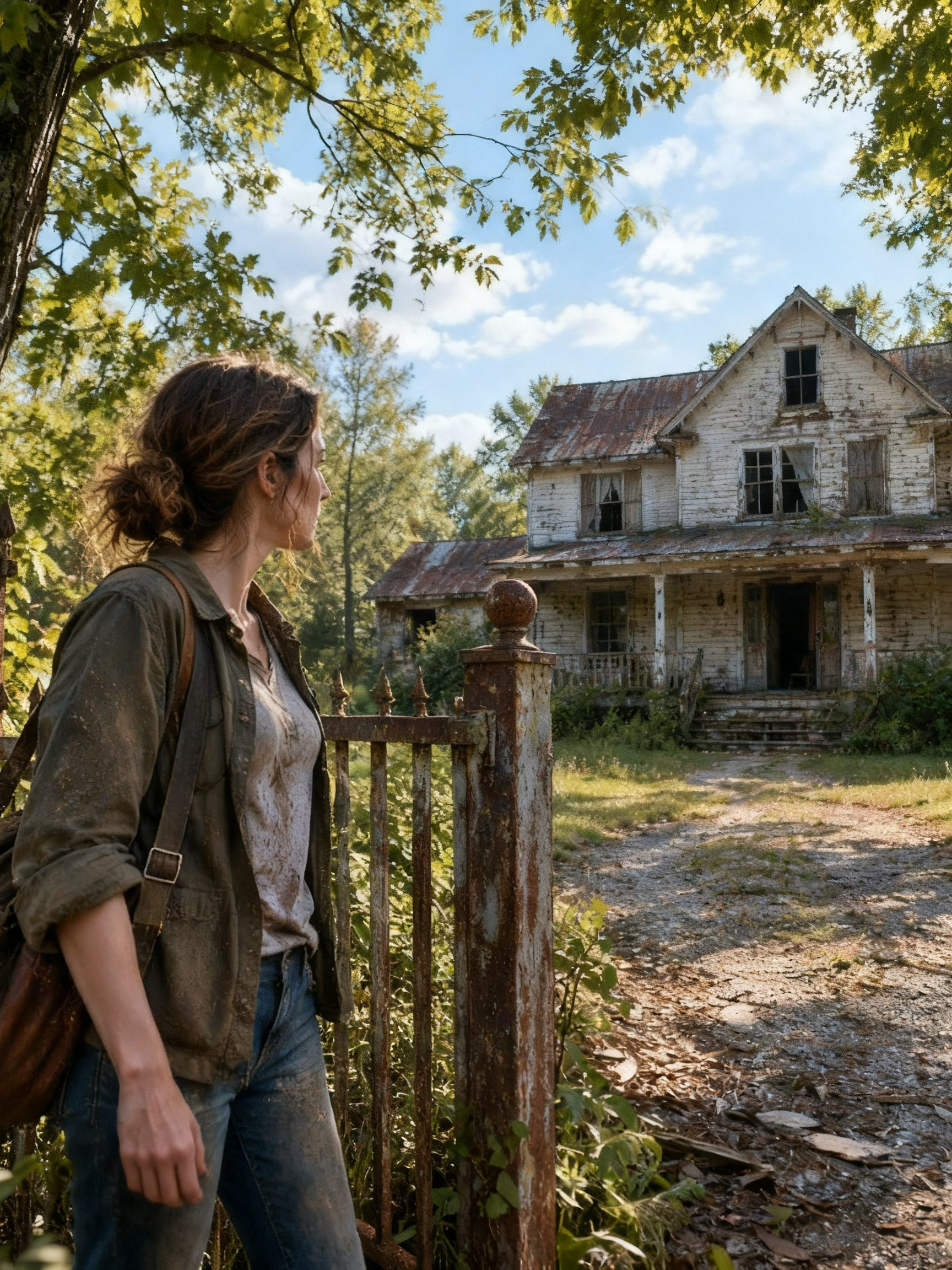
Her Husband Abandoned Her, Her Family Threw Her Out—Then Her Son Found the Key They Thought Was Buried Forever
Three days after my husband left me for another woman, my mother looked at my nine-year-old son and asked how soon we could get out of her house.
My sister was standing behind her with a glass of white wine, wearing the small, satisfied smile people wear when the humiliation belongs to someone else.
Then my mother said the part that hurt more.
“Emily, you’ve always been very good at surviving on other people’s kindness. At some point, you have to stop.”
I didn’t cry.
That seemed to bother them.
I just put my coffee cup down on the kitchen counter, folded the dish towel I had been holding, and looked at my mother.
“How soon?”
She blinked.
My sister Vanessa stopped smiling for half a second.
They had prepared themselves for pleading.
For me reminding them that I had spent six years taking care of Dad after his stroke while Vanessa was “building her career” in Charlotte.
For me reminding them that I had paid the property taxes twice when Mom couldn’t.
For me reminding them who had driven three hours every Friday night with a toddler sleeping in the back seat because Dad refused to let a stranger help him bathe.
For me reminding them who had missed vacations, promotions, weddings, and entire pieces of a life.
But I didn’t remind them.
I just asked again.
“How soon do you need us gone?”
My mother glanced at Vanessa.
“Monday would be best.”
It was Friday morning.
My son, Noah, was sitting at the breakfast table with a spoon frozen halfway to his mouth.
His cereal had gone soft.
He understood enough.
Children always do.
They understand the words adults think they are hiding inside polite sentences.
They understand suitcases.
They understand doors closing.
They understand when a grandmother says “we need space” while looking at a child’s backpack by the wall.
I walked over to Noah, touched his shoulder, and said, “Finish breakfast, buddy.”
Then I carried my coffee upstairs.
I did not slam a door.
I did not call my mother cruel.
I did not ask my sister what exactly she thought she had won.
I did not tell either of them that, less than twenty-four hours earlier, Noah had found a small brass key inside the lining of my dead father’s old leather tool bag.
A key with one word engraved into it.
I had no idea what it opened.
But I knew something else.
The tool bag had been stored in Dad’s locked workshop for seven years.
And when Noah found it, the dust on the workbench around the bag had been disturbed.
Someone had been inside.
Someone besides us.
That was the first thing I kept to myself.
There would be others.
My name is Emily Carter.
At thirty-six years old, I had once believed my worst day would be the day my father died.
I was wrong.
The worst days are rarely the ones when someone dies.
Death can be honest.
It tells you something is over.
Betrayal is different.
Betrayal smiles at dinner.
Betrayal asks whether you want coffee.
Betrayal tells your son he can sleep in the blue bedroom.
Then betrayal counts the nights until it can throw him out.
My husband, Daniel, left on a Tuesday.
He did it in our kitchen in Columbus, Ohio, while Noah was at school.
There was no dramatic confession.
No lipstick on a shirt.
No midnight phone call.
Daniel stood beside the island in a gray suit and said, “I haven’t been happy for a long time.”
I stared at the half-packed lunchbox in front of me.
“I’m moving out.”
He seemed irritated by that.
Then he said there was someone else.
Her name was Brooke.
She worked in the same commercial development firm.
Twenty-eight.
No children.
No mortgage.
No history with him.
I learned all that later.
At the time, I only asked one question.
“Does Noah know?”
Daniel leaned against the counter.
“I don’t want this to get ugly.”
That almost made me laugh.
People often say that when they have already done the ugly thing and want you to promise not to react to it.
He told me the condo lease was in his name.
That was true.
We had moved there temporarily while saving for a house.
He told me he was going to stop paying after the end of the month.
That was also true.
Then he said, “You can go stay with your mother.”
As if my life were a suitcase he could reroute.
As if there were always somewhere women like me were supposed to go when men like him decided the arrangement had expired.
I looked at the man I had been married to for eleven years and noticed something that frightened me more than anger would have.
He looked relieved.
The difficult part was already over for him.
He had chosen.
Brooke had probably already picked curtains.
“I’ll handle Noah,” I said.
Daniel nodded too quickly.
That was when I understood how thoroughly he had rehearsed leaving.
So I packed two suitcases.
Clothes for Noah.
Clothes for me.
His school laptop.
My father’s framed military photo.
A small cedar jewelry box Dad had made for me when I was fifteen.
And the old leather tool bag Noah insisted on bringing because he had loved sitting beside Grandpa while he fixed radios, lamps, clocks, anything with screws.
My mother lived in Bellweather, a small town outside Asheville, North Carolina, where my parents had moved after Dad retired.
Their house sat on four wooded acres, but everyone in town still called it “the Carter place” even though the deed had been in my mother’s name for years.
What almost nobody talked about anymore was the property next to it.
The old West House.
Forty-two acres.
Stone walls.
Black walnut trees.
A three-story brick house built in 1911.
Collapsed greenhouse.
Carriage barn.
Spring-fed pond.
And enough family history to poison three generations.
The West House had belonged to my father’s mother, Ruth Carter.
My grandmother.
She had lived there alone until she died at eighty-eight.
She and my mother hated each other.
Which was worse.
Grandma Ruth never shouted.
Neither did Mom.
Their wars happened in Christmas seating charts, inheritance conversations, carefully omitted invitations, and sentences that began with “I’m sure she means well.”
I loved Grandma Ruth.
She taught me to drive an old Ford pickup before I had a learner’s permit.
She taught me how to prune roses.
She taught me never to sign a contract I hadn’t read twice.
She taught me to keep cash somewhere no one else knew about.
And once, when I was twenty-two and heartbroken over a boyfriend, she told me something I never forgot.
“Never beg a person to see your value, Emily. A person who needs convincing is usually benefiting from pretending not to see it.”
When she died five years before Dad, the family believed the West House had been tied up in estate problems.
Dad said very little.
Mom said taxes were complicated.
Vanessa said the place was falling apart anyway.
Eventually, everyone stopped asking.
At least I did.
Three days after Daniel abandoned us, Noah and I arrived in Bellweather.
My mother hugged me on the porch.
She hugged Noah.
She said, “You’re home now.”
Vanessa arrived that night with takeout Thai food and a bottle of wine.
She squeezed my hand.
She called Daniel a bastard.
For twenty-four hours, I believed blood still meant something.
The next morning, Vanessa asked how long I planned to stay.
The morning after that, Mom complained that Noah left his sneakers beside the mudroom door.
By Friday, they wanted us gone.
The speed of it was almost impressive.
I was packing when Noah appeared in the doorway.
He was holding the brass key.
My stomach tightened.
“I told you to keep that hidden.”
“Then why are you holding it?”
“Because somebody looked in my backpack.”
I stopped folding his sweatshirt.
“The front pocket was open.”
“Maybe you forgot to zip it.”
“I zip it.”
“I zip it every time because Dad said if I lose another charger he isn’t buying me one.”
The mention of Daniel landed between us.
I walked over.
“Was anything missing?”
“Where was the key?”
He pointed toward the closet.
“In Grandpa’s bag.”
I crouched in front of him.
“Did you tell Grandma or Aunt Vanessa about it?”
“Did you show anybody?”
“Are we in trouble?”
I looked at his face.
He had Daniel’s brown eyes.
My father’s stubborn chin.
And lately, a habit of trying to be older whenever he thought I was scared.
I hated that.
“No,” I said. “We’re just being careful.”
He studied me.
“Why does it say west?”
“I don’t know.”
“Yes, you do.”
“You made the face.”
“What face?”
“The one where you know something but you don’t want me to know you know.”
Despite everything, I smiled.
“Go pack your books.”
He started away.
Then stopped.
“Grandpa used to say West House like it was a person.”
I felt cold.
“What do you mean?”
“He’d say, ‘West is still standing.’”
“When we came here before he got really sick.”
I didn’t remember that.
But Noah did.
Children remember strange fragments adults lose.
I slipped the key into the inside pocket of my jeans.
Then I walked downstairs.
Vanessa and my mother were in the sunroom with a man I recognized from town.
Grant Holloway.
He owned Holloway Development Group.
Or his father had.
By then Grant ran most of it.
He was forty-something, polished, expensive, tan in November, the kind of man who looked as if someone had hired a lighting department for his face.
A leather portfolio rested on the coffee table.
The conversation stopped when I entered.
“Emily,” Mom said too brightly. “Grant was just asking about you.”
Grant stood.
“I heard about the divorce. Sorry.”
“It’s not a divorce yet.”
He gave me a sympathetic smile with no sympathy in it.
Vanessa crossed her legs.
“We’re talking about the West acreage.”
I looked at her.
“You own the West acreage?”
Mom answered.
“It’s complicated.”
That phrase again.
Grant picked up his coffee.
“Your mother and sister are considering some options.”
“What options?”
“A boutique residential development,” Vanessa said.
My eyes moved to her.
She worked as vice president of regional sales for a luxury home company.
Suddenly, a few things clicked.
Mom wanting us gone.
Grant’s leather folder.
Vanessa spending more weekends in Bellweather.
The disturbed dust in Dad’s workshop.
I looked at Mom.
“You said Grandma’s estate was unresolved.”
My mother’s mouth tightened.
“Emily, this really isn’t the time.”
Vanessa sighed.
“Because you have enough going on.”
There it was.
The family version of a locked door.
Too complicated.
We’re protecting you.
You wouldn’t understand.
Dad used to hate that phrase.
Too complicated.
He used to say people called things complicated when they didn’t want you asking the next question.
So I asked it.
“Who owns the West House?”
Grant glanced at Vanessa.
Vanessa glanced at Mom.
Mom said, “The family.”
“What does that mean legally?”
Then Vanessa laughed once.
“See? This is exactly what Mom means. You’ve been here three days, Emily.”
I looked at her.
“And you’re already interrogating everyone about property.”
“No. I asked who owns the house.”
“You just got left by your husband.”
“I remember.”
“You have no home.”
“I’m aware.”
“You’re unemployed.”
That one was technically true.
I had quit my full-time nursing administration job two years earlier when Dad’s condition deteriorated and had been doing consulting work from home.
Vanessa knew why.
She said it anyway.
She wanted Grant to hear.
She wanted the room to have a hierarchy.
Her on top.
Mom looked away.
Vanessa continued.
“You need to focus on getting your life together, not on property that has nothing to do with you.”
Then I looked at Grant.
“Good luck with your project.”
That surprised him.
I walked away.
Behind me, Vanessa said, “See? She knows.”
I kept walking.
Sometimes silence is surrender.
Sometimes it is reconnaissance.
They did not know which one mine was.
By Saturday afternoon, I had rented a room at the Mountain Laurel Motor Lodge seven miles outside town.
One broken ice machine.
A view of a parking lot and a Dollar General sign.
My mother offered to pay for a week.
Vanessa offered to help me find an apartment.
I refused that too.
When we carried our bags out, Mom stood on the porch.
“You know we love you.”
I set Noah’s backpack in the trunk.
She flinched.
Maybe because she heard what I didn’t say.
Love had become irrelevant.
Vanessa leaned against her Lexus.
“I hope you’re not going to make this dramatic.”
I closed the trunk.
“I wouldn’t want to inconvenience anyone.”
Her eyes narrowed.
Then Noah walked out carrying Dad’s leather tool bag.
Vanessa straightened.
“What’s that?”
I felt every muscle in my body go still.
Noah answered before I could.
“Grandpa’s.”
“I know it’s Dad’s. Why do you have it?”
“He said I could have it.”
“Before he died.”
Vanessa looked at me.
I shrugged.
“You weren’t around much that year.”
It was the cruelest thing I had said.
I said it calmly.
That made it worse.
Her face hardened.
Mom whispered, “Emily.”
I opened the passenger door for Noah.
“We’ll call you.”
I drove away.
In the rearview mirror, Vanessa and my mother stayed in the driveway.
Neither waved.
That night, after Noah fell asleep in the motel room, I emptied Dad’s tool bag onto the second bed.
Old needle-nose pliers.
A ratchet set.
Electrical tape.
Three pencils sharpened with a knife.
A wooden folding ruler.
A rusted tin of screws.
Nothing else.
I checked the seams.
The pockets.
The lining where Noah had found the key.
Then I noticed the bag felt heavier on one side.
I pressed the leather.
Something stiff moved.
Using Dad’s old pocketknife, I carefully cut two stitches inside the lining.
A folded piece of paper slid out.
My father’s handwriting was on the outside.
EMILY ONLY.
I sat down.
For almost a minute, I couldn’t open it.
Dad had been dead three years.
Yet suddenly I could see his hands.
Broad fingers.
Scar near the left thumb.
The way he wrote slowly because his stroke had weakened his right side.
I unfolded the note.
If you are reading this, then either I finally had the courage to tell you the truth, or I ran out of time.
Knowing me, it was probably the second.
Your grandmother did not lose West House.
She protected it.
Do not trust anyone who says “the family owns it.”
Do not sign anything.
Do not surrender any key.
Most important: if they tell you I changed my mind, ask to see the red ledger.
The house remembers what people do inside it.
So does paper.
At the bottom, there were four words.
WEST. CELLAR. THIRD BRICK. 1988.
I read the note twice.
Then five times.
My hands never shook.
Not until the very end.
Not until “I’m sorry.”
That was the line that scared me.
My father apologized only when the truth was bad.
At the next morning, I called the number on an old Christmas card I still had stored in my phone.
Arthur Bell.
My grandmother’s attorney.
He answered on the seventh ring.
“Mr. Bell?”
“This is Emily Carter.”
Then I heard him inhale.
“You remember me.”
“I found a key.”
Another silence.
“What kind of key?”
“Brass. The word WEST.”
His voice changed.
“Where are you?”
“Bellweather.”
“Do not go to the house alone.”
“Because if you found that key, someone else may know you found it.”
I looked over at Noah.
Still asleep.
“You’re scaring me.”
That answer told me more than reassurance would have.
“What did Grandma do?”
“Not over the phone.”
“Then tell me where to meet you.”
Arthur lived forty minutes away in Hendersonville.
He was eighty-two and walked with a cane.
His office had once occupied an entire second floor downtown.
Now he worked from a converted library in his home.
Books everywhere.
Legal boxes everywhere.
No receptionist.
No polished reception desk.
Just a coffee machine and a photograph of his late wife beside a lamp.
Noah sat in the next room with hot chocolate and an old chessboard while Arthur and I talked.
He held Dad’s note for a long time.
“I told James not to hide this from you.”
James was my father.
“Why did he?”
Arthur looked tired.
“Because your mother was still his wife.”
My throat tightened.
“That doesn’t answer anything.”
“It answers more than you think.”
He opened a file drawer.
Pulled out a folder.
Set it between us.
“Your grandmother Ruth created a trust twenty-two years ago.”
I stared at him.
“For what?”
“West House and the surrounding acreage.”
“Who was the beneficiary?”
He looked directly at me.
I didn’t move.
Outside, a truck passed on the road.
Arthur continued.
“The trust wasn’t supposed to transfer control immediately. Your father was named caretaker trustee during Ruth’s lifetime and temporary successor after her death.”
“Dad owned it?”
“Then why does everyone think—”
“Because your father made a catastrophic mistake.”
My stomach dropped.
“What mistake?”
“He allowed your mother to believe the property would eventually be folded into the marital estate.”
“Allowed her?”
“He did not correct her.”
Arthur leaned back.
“Your mother wanted the land sold years ago. Your grandmother refused. They fought constantly. James tried to keep peace by saying as little as possible.”
That sounded like Dad.
“He thought silence would prevent conflict.”
Arthur gave a bitter smile.
“It usually postpones it.”
I looked at the folder.
“What does the trust say?”
“That control passes to you only after two conditions are met.”
“What conditions?”
“Your thirty-fifth birthday.”
“I’m thirty-six.”
“And proof that you have maintained continuous personal or financial care for a qualifying family dependent for at least five years.”
I stared at him.
“Ruth wrote the condition herself.”
“Because she did not want West House going to the loudest person in the family. She wanted it going to the one who had demonstrated responsibility when nobody was watching.”
My eyes burned.
I blinked once.
Medication schedules.
Physical therapy.
Bathroom rails.
Insurance appeals.
Hospital chairs.
The nights he forgot where he was.
The mornings he apologized for needing help.
I whispered, “She knew?”
Arthur nodded.
“She knew what you were doing.”
“What about Vanessa?”
“She visited.”
I laughed once.
Arthur didn’t.
“That isn’t the same thing.”
My voice turned quiet.
“So the property is mine?”
“Potentially.”
“Potentially?”
“There is a problem.”
Of course there was.
Arthur pulled out another document.
“A petition was filed eleven months ago claiming the trust conditions had failed because no qualified beneficiary had asserted rights within the required period.”
“I didn’t know the trust existed.”
“Who filed it?”
He slid the paper toward me.
The petitioner’s name was Vanessa Carter Reed.
The supporting declaration was signed by my mother.
And beneath both names was another one.
Grant Holloway.
Interested purchaser.
I read the page slowly.
They had known.
Maybe not everything.
But enough.
Enough to file.
Enough to sell.
Enough to push me out of the house three days after I came home broken.
Arthur watched my face.
“She believes she has a strong claim.”
“Does she?”
“If the trust documents are incomplete, perhaps.”
“Are they incomplete?”
“Ruth’s original schedules are missing.”
“What schedules?”
“The asset schedules proving exactly which parcels, buildings, mineral rights, water rights, and associated holdings were transferred into the trust.”
I looked at him.
“Associated holdings?”
Arthur tapped Dad’s note.
“The red ledger.”
My skin went cold.
“What is it?”
“I don’t know.”
“You were Grandma’s lawyer.”
“I prepared the trust. I did not prepare Ruth’s private accounting.”
“Where is the original trust?”
“Where are the schedules?”
He shook his head.
“And Vanessa knows that.”
Suddenly, her confidence made sense.
The family.
The development plans.
The urgency.
They believed the legal structure existed but lacked the proof to stop a sale.
Arthur folded his hands.
“Grant has a preliminary purchase agreement with your mother and Vanessa.”
“For land they don’t own.”
“If the court grants their petition, they will.”
“How much?”
“Four point eight million dollars.”
I sat back.
There it was.
But strangely, it didn’t hit me hardest.
What hit me was remembering Dad in a wheelchair on the back porch, struggling to lift a coffee mug.
Vanessa had come twice that month.
Once to ask him to sign something.
I had sent her away because he had a fever.
At the time, I thought she was trying to help with insurance.
Now I wasn’t so sure.
“What exactly does Holloway want to build?”
“Forty-seven luxury homes.”
“On Grandma’s land.”
“The walnut grove?”
“Most likely removed.”
“The spring?”
“Road drainage would be routed near it.”
“The cemetery?”
Arthur’s face changed.
“What cemetery?”
“The old Carter family cemetery. It’s uphill past the barn.”
He reached for a pad.
“How many graves?”
“Maybe twelve. Some from the 1800s.”
He muttered something.
“If they failed to disclose a cemetery in the development application, that creates another problem for them.”
I almost smiled.
Arthur noticed.
“You’re your grandmother’s granddaughter.”
“I’ve been told worse.”
Before I left, Arthur gave me one warning.
“If you go to West House, assume someone has been there before you.”
“Possibly.”
“Possibly.”
“My mother?”
He didn’t answer.
That answer hurt most.
Noah and I drove back to Bellweather.
I didn’t call anyone.
I didn’t confront anyone.
I bought two flashlights, work gloves, batteries, a cheap motion camera, and a can of wasp spray.
Then I drove to the old West House.
The driveway was chained.
A new chain.
A new padlock.
I parked on the county road.
Noah looked at the gate.
“Are we allowed to go in?”
I thought of the trust.
“More than they are.”
We walked half a mile through wet leaves.
The house appeared between bare trees.
Three stories of dark brick.
White columns.
Green shutters faded almost gray.
One chimney leaning slightly.
The porch sagging on the north end.
Yet the windows were intact.
The roof still held.
Grandma Ruth had been right.
West was still standing.
The front door was locked.
I tried the brass key.
Carriage house.
Noah pointed toward the side of the main building.
“What about the cellar?”
There was an exterior cellar entrance beneath a stone arch.
Two wooden doors.
My key slid in.
I looked at Noah.
He whispered, “That’s creepy.”
“It’s an old lock.”
“That doesn’t make it less creepy.”
The doors groaned open.
Stone stairs descended into darkness.
The air smelled like earth, iron, and something old enough to have forgotten daylight.
I turned on my flashlight.
“Stay behind me.”
We went down.
The cellar was larger than I remembered.
Wine racks.
Canning jars.
A broken table.
Coal chute.
Brick columns supporting the house above.
Dad’s note said THIRD BRICK. 1988.
I scanned the walls.
“What does 1988 mean?” Noah asked.
“I don’t know.”
“Grandpa’s birthday?”
“Your birthday?”
Then I saw dates scratched into mortar beside one wall.
Height marks.
Family names.
Dad and Grandma must have recorded repairs.
Under 1988, the third brick from the floor looked darker.
Noah crouched.
“That one has a crack around it.”
He was right.
I used the edge of a screwdriver.
The brick shifted.
Behind it was a metal compartment.
Inside was a small red notebook sealed in plastic.
My heart began pounding.
The red ledger.
I pulled it out.
Before I could open it, something moved upstairs.
One footstep.
Then another.
Noah heard it too.
His face went white.
I switched off my flashlight.
He reached for my hand.
The footsteps crossed directly above us.
Deliberate.
Someone was in the house.
We stayed still.
The cellar had a second exit.
I remembered it from childhood.
A narrow coal passage leading toward the carriage yard.
I squeezed Noah’s hand and whispered, “No sound.”
We moved in darkness.
Behind us, the cellar door opened.
A beam of light sliced down the stairs.
Noah’s breathing stopped.
A man’s voice said, “Hello?”
Grant Holloway.
I would have recognized that polished voice anywhere.
I pulled Noah into the passage.
Grant came down.
Then another voice.
“Check the wall.”
My hand tightened around the red ledger.
They knew exactly where to look.
We crawled through the passage.
Mud soaked my jeans.
Noah scraped his palm but didn’t cry out.
The second exit had swollen shut.
For one horrible second, I thought we were trapped.
Then I put my shoulder into it.
On the third push, rotten wood split and cold daylight burst through.
We climbed out behind the carriage barn.
I didn’t run toward my car.
That would have exposed us.
Instead, we circled through the walnut grove and reached an abandoned farm lane connecting to the back road.
It took forty minutes.
Noah didn’t complain once.
When we reached the motel, I locked the door.
Then I opened the ledger.
The first pages contained property numbers.
Deed references.
Bank names.
Grandma Ruth’s handwriting.
Arthur had been right.
It wasn’t merely a notebook.
It was an index.
Every asset tied to West House.
But halfway through, I found something I didn’t expect.
Monthly payments.
From Holloway Timber.
Then Holloway Holdings.
Then Holloway Development.
Twenty-six years of them.
Some small.
Some enormous.
Beside each payment, Grandma had written the same word.
Not partnership.
I photographed every page.
Then I found the final section.
Dad’s handwriting.
He had continued the ledger after Grandma’s death.
There were notes about Vanessa.
One sentence was underlined twice.
Evelyn signed option agreement without authority. Grant knows title is defective. Vanessa pushing competency angle.
Evelyn was my mother.
I read further.
Another line.
They think if Emily never knows, limitation window solves problem. Arthur disagrees.
My stomach twisted.
Then the last page.
Dad had written it shakily.
Emily gave six years of her life to keep me home.
If they use my illness to say I was incompetent, find Dr. Keene’s evaluation dated March 14.
I closed the book.
That was the moment my fear changed.
Until then, I had been reacting.
Husband leaves.
Family expels me.
Find letter.
Find trust.
Find ledger.
Everything had happened to me.
Now I understood the board.
My sister had not thrown me out because I was inconvenient.
She had thrown me out because I arrived at the exact moment their deal was closing.
My mother had not suddenly decided Noah’s sneakers were a burden.
Grant had not happened to visit.
They needed me gone.
They thought I was wounded enough to obey.
They thought Daniel had softened me.
They thought a motel room meant defeat.
They thought silence meant ignorance.
They had mistaken exhaustion for weakness.
That mistake was mine to use.
I called Arthur.
Then I called someone else.
Dr. Henry Keene.
My father’s neurologist.
Living in Florida.
He remembered Dad immediately.
“Yes,” he said. “I performed a capacity evaluation.”
“Do you still have it?”
“My records were transferred.”
“To where?”
He gave me the hospital system.
“What did it say?”
“I can’t disclose details without authorization.”
“I’m his daughter.”
“That alone may not be sufficient.”
“What if a court subpoenas it?”
“Thank you.”
Before we hung up, he said, “Emily?”
“Your father asked me a strange question that day.”
“He asked whether a person could be physically helpless and still legally competent.”
I closed my eyes.
“What did you tell him?”
“That physical dependence does not erase judgment.”
Dad had known what they were doing.
Maybe not all of it.
By Monday morning, Vanessa believed she had won.
I knew because she called.
Her voice was cheerful.
“How’s the motel?”
“That’s good.”
She waited.
I gave her nothing.
“Mom feels terrible,” she said.
“I’m sure.”
“She wants you to know this isn’t personal.”
There are few sentences more personal than that.
Vanessa continued.
“Grant may have an apartment available through one of his properties.”
“No thanks.”
“He’d give you a good rate.”
“Emily, don’t be stubborn.”
“I said no.”
Then the real reason for the call arrived.
“Did you take anything from Dad’s workshop?”
I looked at the red ledger on the bed.
“A screwdriver.”
“Noah wanted it.”
“That’s all?”
She breathed out.
“You’re sure?”
“No reason.”
“You sound worried.”
“I’m not worried.”
She changed subjects too fast.
“There’s a family meeting Wednesday.”
“About what?”
“West House.”
“I thought it had nothing to do with me.”
Then, carefully, “Mom wants everyone informed.”
“At the house.”
“The West House?”
“That seems unsafe.”
“Grant had contractors check it.”
Of course he did.
“What time?”
“I’ll be there.”
Vanessa sounded pleased.
They were bringing me in because they wanted something signed.
Arthur and I guessed that immediately.
Probably acknowledgment.
Anything that could later be waved in court as proof I had accepted their story.
Arthur wanted me to stay away.
I disagreed.
“They’re afraid of what I know,” I said.
“They don’t know you know anything.”
Wednesday afternoon, I wore jeans, boots, and Dad’s old navy coat.
No jewelry.
Nothing that suggested battle.
Noah stayed with Arthur’s daughter.
At four, I walked into West House through the front door.
Vanessa had staged the dining room.
Of course she had.
Portable heaters.
Folding table.
Bottled water.
Grant wore a camel coat and expensive boots that had never seen mud.
My mother sat near the fireplace.
Two other people were there.
Grant’s lawyer.
And a county planning consultant.
That was what finally made me angry.
Not loud angry.
Useful angry.
The kind that makes every detail sharper.
My mother stood.
Vanessa gestured to a chair.
“We’re trying to keep this simple.”
“I appreciate simple.”
Grant smiled.
“Then this shouldn’t take long.”
A document was placed in front of me.
Family Property Acknowledgment.
I read the first paragraph.
Then the second.
The language was smooth.
By signing, I would acknowledge that I held no ownership interest, beneficial interest, equitable claim, inheritance claim, possessory right, or future claim in West House or related Carter family property.
Everything.
They wanted me to sign away every possible path.
I turned a page.
My mother said softly, “It’s just housekeeping.”
I looked at her.
She couldn’t hold my eyes.
I kept reading.
Vanessa grew impatient.
“It’s standard.”
“I’m sure.”
“You don’t need to read every word.”
That sentence almost made Grandma Ruth appear beside me.
Never sign a contract you haven’t read twice.
So I read it twice.
Grant checked his watch.
Vanessa tapped a fingernail against the table.
Finally, I set the document down.
“I have one question.”
Vanessa relaxed.
She thought we were almost done.
I looked at the lawyer.
“Why does paragraph eleven waive claims against undisclosed trust interests?”
Nobody moved.
Grant’s lawyer looked at Vanessa.
Vanessa looked at Grant.
My mother’s face drained.
Grant answered first.
“Boilerplate language.”
“So there’s no trust?”
“No active trust affecting this transaction.”
Very careful words.
Then I reached into Dad’s coat pocket.
I did not pull out the ledger.
I pulled out one photocopy.
A trust certification Arthur had given me.
I placed it on the table.
Vanessa stopped breathing.
Grant did not.
Professionals are better at that.
His face barely changed.
But his thumb moved across the edge of his folder.
A nervous habit.
His lawyer picked up the page.
“Where did you get this?”
“My attorney.”
Vanessa laughed.
Actually laughed.
“Your attorney?”
“Emily, you’re staying in a motel.”
It was meant to put me back in my place.
I looked at her.
Her smile faded.
I turned to my mother.
“Did Dad ever tell you I was the trust beneficiary?”
Mom’s lips parted.
Vanessa cut in.
“Dad was heavily medicated the last few years.”
There it was.
Competency.
Exactly as the ledger predicted.
I looked at her.
“What does that have to do with Grandma’s trust?”
“Dad managed the estate.”
“As trustee.”
“He managed it.”
“Those words aren’t interchangeable.”
Vanessa’s cheeks reddened.
Grant’s lawyer raised a hand.
“We should stop.”
Grant ignored him.
He leaned forward.
“Emily, nobody is trying to hurt you.”
I almost admired the sentence.
There we were in a room where four people had tried to erase my rights, and he had found a way to make my resistance sound emotional.
“I didn’t say anyone was.”
“The property has been effectively dormant for years.”
“Leased property isn’t dormant.”
His thumb stopped moving.
A tiny payoff.
Vanessa stared at me.
“What did you say?”
“Nothing important.”
Grant’s lawyer stood.
“We’re done for today.”
Vanessa snapped, “Sit down.”
“I said we’re done.”
My mother’s voice shook.
“Emily, what have you found?”
I looked at her.
Not Vanessa.
Because betrayal hurts differently when it comes from the person who taught you your first words.
“Why did you want Noah and me gone by Monday?”
Her eyes filled.
I felt nothing comforting in response.
“I told you—”
My voice stayed quiet.
“Don’t waste this chance.”
Vanessa stood.
“Oh, please. You came here because Daniel dumped you, and now suddenly you’re acting like some kind of investigator because you found an old family document.”
“Sit down, Vanessa.”
I had never spoken to her that way.
Not loudly.
Not harshly.
Just with certainty.
She stared at me.
And then, unbelievably, she sat.
I turned back to Mom.
“Why Monday?”
Mom looked at Grant.
That was enough.
Grant collected his papers.
“This is a family issue.”
I said, “Then leave.”
His eyes sharpened.
For the first time, the pleasant developer disappeared.
“You don’t own this house.”
I tilted my head.
“Are you sure?”
That was the first question that sounded weak.
It was not.
Grant’s lawyer grabbed his arm.
The planning consultant followed.
Vanessa stood again.
“You have no idea what you’re doing.”
“I think I do.”
“Dad told Mom the property was hers.”
“No. Dad let Mom believe the property might become hers.”
“Same thing.”
“It is in a family.”
“Not in a courthouse.”
She stared at me.
Then said the ugliest thing she could find.
“You think taking care of Dad makes you some kind of saint?”
I felt the old reflex.
The desire to defend myself.
To list the nights.
The sacrifices.
Then I remembered Grandma.
A person who needs convincing is usually benefiting from pretending not to see your value.
So I didn’t defend myself.
I said, “No.”
That confused her.
“I think it made me his caregiver.”
“And Grandma’s trust has a caregiver condition.”
The room went silent.
Mom sat down hard.
Vanessa’s face changed.
I had never seen fear on her before.
That told me I had found the center.
She knew the condition.
Maybe that was why they had hidden the trust from me.
Maybe that was why everyone had carefully framed my years with Dad as a failure.
Emily never built a career.
Emily never bought a house.
Emily stayed home.
Emily wasted her potential.
They had mocked the very years Grandma had designed as proof of character.
Suddenly, every insult had another side.
I almost pitied them.
Vanessa whispered, “That provision isn’t enforceable.”
“It isn’t.”
“Then why did you need my waiver?”
She had no answer.
I picked up my coat.
I looked at her.
She seemed smaller.
“Did you know?” I asked.
“About what?”
“That Grandma chose me?”
She swallowed.
“I knew she talked about it.”
“That isn’t what I asked.”
Vanessa stepped between us emotionally if not physically.
“Mom doesn’t owe you an interrogation.”
I ignored her.
“Did you know?”
Mom looked at the floor.
My chest tightened.
“Before Ruth died.”
“So more than eight years.”
“And when Dad got sick?”
“And when I quit my job?”
“And when I spent almost every day caring for him?”
Tears slipped down my mother’s face.
I hated those tears.
Not because they weren’t real.
Because they were late.
“What did you tell yourself?” I asked. “That I didn’t need to know?”
“I thought your father would fix everything.”
“He was having strokes.”
“You watched me empty my retirement account to keep his home health aide.”
“You borrowed twelve thousand dollars from me the year the taxes went up.”
“You let me believe I was the family failure while you were trying to sell property Grandma had put in trust for me.”
Vanessa said, “Stop.”
I looked at her.
She fell silent.
Mom wiped her face.
“Grant said the trust was defective.”
There it was.
Not innocence.
Just permission.
She had found someone willing to tell her what she wanted to hear.
“He said Ruth hadn’t completed the schedules,” Mom continued. “He said the land could be claimed by the marital estate. Vanessa found a lawyer who agreed.”
“And you signed.”
“For four point eight million.”
Mom’s expression changed.
Vanessa looked at her sharply.
That was interesting.
I said, “How much were you actually going to receive?”
Mom didn’t answer.
Vanessa said, “None of your business.”
“Then why are you nervous?”
Vanessa grabbed her purse.
“This is ridiculous.”
She walked toward the door.
I called after her.
“Did Grant tell you about the leases?”
She stopped.
Just for a fraction.
Then she kept walking.
Another mini-payoff.
Or feared she knew.
That night, Arthur filed an emergency notice disputing title.
By Friday, the preliminary sale was frozen.
By Monday, Holloway Development’s excavation permit application had been suspended pending ownership review.
By Tuesday, Vanessa stopped calling me arrogant.
She started calling me dangerous.
I preferred it.
Then Daniel called.
I almost didn’t answer.
“Hey,” he said.
“I heard there’s some issue with your grandmother’s property.”
I closed my eyes.
Of course he had heard.
Bellweather gossip traveled faster than weather.
“Who told you?”
There it was.
Another knife.
Smaller now.
“She called you?”
“She was concerned about you.”
He hated when I laughed instead of arguing.
“She said you might be getting involved in something expensive.”
“She said you could lose money.”
“Probably.”
“And she said there may be substantial property involved.”
There it was.
The reason he had called.
Daniel had vanished when I had a motel room.
Now property had entered the story.
“I’m still your husband.”
I went very still.
“If an asset comes to you during the marriage—”
“I’m just saying we should think carefully.”
“We have Noah.”
“You left Noah’s home seven days ago.”
“That isn’t fair.”
“It’s exact.”
Daniel sighed.
“I don’t want to fight.”
There was that sentence again.
I said, “Then don’t.”
He softened his voice.
“Emily, Brooke and I are not—”
“I don’t care.”
“I don’t care about Brooke.”
It was true.
The wound was still there.
But the drama had become small.
He had abandoned me because he thought I was inconvenient.
My family had tried to erase me because they thought I was weak.
Different betrayals.
Same assumption.
They all believed I would accept whatever version of me made their choices easiest.
I was done cooperating.
Daniel said, “Can we meet?”
“I’m Noah’s father.”
“You can arrange time with him.”
“Not what I meant.”
Two weeks later, the first court hearing took place.
Vanessa arrived in a cream suit.
Grant arrived with two attorneys.
My mother arrived alone.
I arrived with Arthur Bell and a younger litigator named Rachel Monroe.
Rachel was forty-one, sharp, practical, and allergic to dramatic speeches.
I liked her immediately.
The hearing was supposed to be procedural.
It became something else when Grant’s lawyer argued that the trust property could not be identified.
Rachel stood.
“Your Honor, we have located contemporaneous accounting records identifying parcel references, lease agreements, and tax payment records.”
Grant’s attorney turned.
Vanessa stared at me.
Rachel handed copies to the clerk.
The red ledger was now evidence.
Grant’s face finally cracked.
Only slightly.
His lawyer objected to authenticity.
Rachel expected that.
“We also have handwriting exemplars, bank records corresponding to the listed lease deposits, and testimony from the trust’s drafting attorney.”
Arthur stood slowly.
That was another mini-payoff.
Not a dramatic explosion.
A screw tightening.
Grant whispered to his lawyer.
The judge ordered preservation of all records.
Then Rachel added one more thing.
“We request immediate prohibition against alteration, demolition, transfer, timber removal, or excavation on the property.”
For the first time, the West House was legally protected.
When we walked into the courthouse hallway, Vanessa came after me.
She approached until we were almost face-to-face.
“You’re enjoying this.”
“Yes, you are.”
“I’m enjoying you not selling something that isn’t yours.”
“You think Grandma loved you more?”
I stared at her.
That question revealed more than she intended.
“This isn’t about love.”
“Of course it is.”
“No. That’s what you never understood.”
Her eyes flashed.
“You got everything for being pathetic.”
There it was.
Years of resentment compressed into one sentence.
I should have been furious.
Instead, I finally understood her motive.
Vanessa had not wanted only money.
She wanted proof.
Proof that her choices had made her the winner.
She had built the career.
Bought the Lexus.
Married the successful contractor.
Divorced him profitably.
Joined the right boards.
Hosted the right parties.
She had looked at me caring for Dad and seen failure.
Then Grandma’s trust threatened to rewrite the scoreboard.
If West House went to me specifically because I had done the thing Vanessa mocked, then every joke she had made became evidence that she had misunderstood our family’s deepest values.
She could tolerate losing land.
She could not tolerate being wrong about what mattered.
I said quietly, “You didn’t lose this property because Grandma loved me more.”
“Then why?”
“Because she knew exactly who you were.”
Vanessa slapped me.
The sound cracked through the hallway.
Everyone stopped.
I did not hit her back.
I touched my cheek.
Then looked over her shoulder.
At the courthouse security camera.
Vanessa followed my eyes.
Her face collapsed.
Mini-payoff.
I filed no criminal complaint.
I didn’t need to.
Rachel obtained the footage and preserved it.
Three days later, Vanessa’s lawyer advised her to stop contacting me directly.
A week after that, Grant made an offer.
Through counsel.
Seven hundred thousand dollars.
For my “disputed interest.”
Rachel looked at me.
“What do you think?”
“One million?”
She smiled.
“Because the offer tells us they know more than we do.”
That sentence changed everything.
Why would Grant offer millions to buy out an interest he insisted was invalid?
Unless West House contained something more valuable than forty-two acres.
We went back to the ledger.
Not the obvious pages.
The boring ones.
Survey codes.
Water assessments.
Old lease references.
Tax districts.
Arthur brought historical maps.
Rachel obtained corporate filings.
For four days, we found nothing.
Then Noah did.
He was sitting at Arthur’s dining table doing homework while we reviewed documents.
He looked at one map upside down.
“Why does this road go through Grandma Ruth’s pond?”
“It doesn’t,” I said.
“Yes, it does.”
He pointed.
On the old survey, a dashed utility corridor crossed the western boundary.
Not a road.
An easement.
Rachel pulled newer county maps.
The easement continued beyond West House.
Through 600 acres now occupied by a commercial development, two hotels, a shopping center, and a data facility.
Arthur read the notation.
“Water conveyance.”
Rachel went silent.
Then she started making calls.
By the next morning, we understood.
Grandma Ruth’s property controlled the headwater access and underground conveyance rights for a private water system serving a huge portion of the western commercial corridor.
Holloway companies had been paying lease fees for decades.
Grant’s father knew.
Grandma knew.
Grant knew.
The land itself was valuable.
The rights were worth far more.
Rachel’s estimate was conservative.
Between long-term easements, water rights, unpaid adjustments, and development leverage, the trust’s assets could exceed eighteen million dollars.
Possibly much more.
But that still wasn’t the part that made me cry.
I cried when Arthur found one final trust memorandum.
Grandma had written it herself.
The handwriting was clean, severe, unmistakable.
If Emily qualifies, I want her to understand that this property is not a prize.
It is protection.
She is the one in this family most likely to spend herself down to nothing taking care of other people.
Someone must leave something that takes care of her.
I read that line in Arthur’s office.
Then I covered my mouth.
For years, people had called me foolish.
Unambitious.
Too available.
Daniel said I had stopped “moving forward.”
Vanessa said I had “wasted my prime earning years.”
Mom said I had always been “the emotional one.”
But Grandma had looked at the same life and seen something different.
Not weakness.
She had known that the woman who always stayed would eventually be left with less.
So she built something that would stay for me.
That was when West House stopped being money.
It became testimony.
Justice for a life nobody had counted correctly.
The final hearing was scheduled for February.
Grant tried to settle.
Vanessa tried to challenge Grandma’s capacity.
My mother tried to withdraw her declaration.
The judge allowed her to correct factual statements but not erase the original filing.
Daniel filed for divorce and briefly claimed a possible marital interest in the trust.
That claim died quickly.
The trust predated our marriage, and its separate-property provisions were brutal.
Grandma Ruth had apparently anticipated men like Daniel too.
By then, I had moved Noah and myself into a small rental cottage.
Not West House.
I refused to move into a property under active litigation.
Vanessa called that cowardice.
Rachel called it intelligent.
I called it sleeping well.
Then, three weeks before the hearing, my mother appeared at my door.
It was raining.
She looked exhausted.
Gray hair showing at the roots.
I almost didn’t let her in.
Then I remembered she was still my mother.
That truth could hurt without controlling me.
She sat at my kitchen table.
For several minutes, neither of us spoke.
Finally, she said, “Grant lied to us.”
I poured coffee.
“I assumed.”
“He said the leases were expired.”
“They weren’t.”
“He said the water rights transferred automatically.”
“They didn’t.”
“He said your grandmother intended the property for all descendants.”
“She didn’t.”
Mom looked at her hands.
“I wanted to believe him.”
“You sound like you hate me.”
That seemed to hurt her more.
“What do you feel?”
I thought about it.
She nodded.
Then reached into her purse.
Pulled out a small envelope.
“I found this in your father’s desk after he died.”
My pulse changed.
“What is it?”
“I never opened it.”
I looked at her.
That was a lie.
We both knew it.
She corrected herself.
“I opened the envelope. I didn’t understand what was inside.”
She handed it to me.
A bank deposit box receipt.
Blue Ridge Federal.
Signed by Dad.
Authorized users: James Carter.
And Ruth Carter.
No one else.
Status: ACTIVE.
“What’s in it?”
“I don’t know.”
“Why didn’t you tell Arthur?”
“Because Vanessa said anything in Dad’s name would become part of probate.”
“Was she right?”
Mom whispered, “I don’t know anymore.”
“Why give it to me now?”
She looked toward the window.
“Because Grant came to my house last night.”
“What did he want?”
“He asked if James ever used a bank deposit box.”
My skin chilled.
“Did you tell him?”
Mom looked at me then.
Really looked.
“Because I finally understood something.”
“He isn’t afraid you’ll get the house.”
The rain tapped the glass.
“He’s afraid you’ll find whatever your father kept.”
The next morning, Rachel and I went to Blue Ridge Federal with a court order.
Box 417 had been closed.
Six months earlier.
By someone using notarized authorization from James Carter.
My father had been dead for nearly three years.
The bank manager went pale when Rachel pointed that out.
Records were pulled.
Security logs preserved.
The closure paperwork listed an agent.
Evelyn Carter.
I called her from the bank.
She answered on the first ring.
“What happened?”
“The box was closed.”
“Six months ago.”
“The authorization has your name.”
“I never went to that bank.”
“Are you sure?”
“Emily, I swear to God.”
Rachel watched me.
I asked, “Where were you on April seventeenth?”
“I don’t know.”
Mom breathed rapidly.
Then said, “Charleston.”
“I was in Charleston with Vanessa. Her charity conference.”
I covered the phone.
Rachel was already typing.
Hotel records later confirmed it.
My mother had been three hundred miles away.
Her identification had been copied.
Her signature forged.
And the bank’s surveillance footage?
Conveniently unavailable.
System migration.
But the teller who handled the box closure still worked there.
Her name was Melissa Grant.
No relation to Holloway.
She remembered the woman.
Mid-thirties.
Expensive handbag.
She remembered something else.
The woman had not been alone.
A man waited near the lobby.
The teller could not identify him from photographs.
She did identify the woman.
My sister had forged our mother’s authorization and emptied Dad’s deposit box.
That became the second major twist.
And the ugliest.
When Rachel confronted Vanessa’s attorney, he withdrew from representing her within forty-eight hours.
Vanessa hired another lawyer.
Then another.
The criminal issue separated from the trust case.
Potential theft.
Possible conspiracy.
Grant denied involvement.
Vanessa denied everything.
My mother stopped speaking to her.
I thought that was the end of the family.
Families don’t end cleanly.
They fracture.
Pieces remain attached in strange places.
Two days before the trust hearing, my mother came to court early.
She sat behind me.
Not beside me.
That mattered.
She did not ask forgiveness.
That mattered more.
When called to testify, she told the truth.
She admitted knowing about the trust.
She admitted allowing Vanessa and Grant to pursue the sale.
She admitted signing the petition.
She admitted wanting the money.
Then Rachel asked her why.
My mother’s voice broke.
“Because I was angry.”
“Because she never respected me.”
Rachel paused.
“And did that affect the way you treated Emily?”
Mom looked at me.
“I resented that Ruth trusted her.”
“Did Emily know?”
“Did she ever demand the property?”
“Did she ask for compensation for caring for her father?”
“Did she know the trust contained a caregiver provision?”
“What did Emily do during the period when she qualified?”
Mom began crying.
“She cared for James.”
“For how long?”
“Six years.”
“Did Vanessa?”
There was no dramatic music.
Just truth.
Finally placed in order.
The judge ruled two weeks later.
The trust was valid.
The caregiver condition was valid.
I qualified.
The red ledger, lease records, tax payments, and corroborating documents sufficiently identified the core assets.
The attempted sale had no authority.
The West House, forty-two acres, defined water rights, lease interests, and associated trust assets transferred under my control.
Holloway Development’s claims were dismissed subject to separate accounting litigation.
That was the sentence everyone expected to matter most.
The sentence that mattered most came from the judge after issuing the ruling.
He looked down at the file.
Then at Vanessa.
Then at my mother.
“This court sees many inheritance disputes. Most concern money. This one appears to concern a family’s decision, over many years, to mistake service for insignificance.”
Nobody moved.
I looked at my hands.
Grandma Ruth would have liked him.
Grant left the courthouse without speaking.
Vanessa left through a side door.
My mother stood beside a marble column.
She didn’t approach me.
He had been waiting with Arthur.
He ran into my arms.
“Do we get the creepy house?”
For the first time in months, I laughed without bitterness.
“Can I have Grandpa’s workshop?”
“Can we fix the pond?”
“Can we get a dog?”
“That was not part of the court ruling.”
Arthur laughed.
Noah grinned.
And for one afternoon, it felt finished.
By spring, we moved into West House.
Not all of it.
Half the rooms were still closed.
The kitchen needed plumbing.
The porch needed rebuilding.
The greenhouse was probably beyond saving.
But the roof held.
The walnut trees held.
The spring still ran cold.
Dad’s workshop still smelled faintly of machine oil.
Noah chose the room facing the pond.
I chose Grandma Ruth’s old bedroom.
My mother visited once.
She stood on the porch holding a box of Dad’s belongings.
“I should have protected you,” she said.
She flinched.
I did not rescue her from the truth.
She nodded.
That was the beginning of whatever relationship we might have someday.
Not forgiveness.
Not punishment.
Something slower.
More honest.
Vanessa faced criminal investigation over the bank box.
Grant faced civil litigation over lease accounting and title interference.
Daniel signed the divorce settlement.
He asked once whether Noah and I were happy at West House.
I said yes.
He said he was glad.
Maybe he meant it.
Maybe people can betray you and still retain pieces of goodness.
I no longer needed to decide.
My life no longer depended on interpreting everyone else’s motives.
That summer, I began restoring the carriage barn.
I turned part of it into an office and kept Dad’s tools on the original wall.
Noah helped me clean each wrench.
Each screwdriver.
Each rusted tin.
One August evening, he ran inside while I was making dinner.
His voice sounded strange.
I turned off the stove.
“What happened?”
“There’s someone at the cellar door.”
Every nerve in my body lit up.
“Inside or outside?”
“Did they see you?”
“I don’t think so.”
I locked the kitchen door.
Checked the security camera.
An elderly man stood near the cellar entrance.
White hair.
Canvas jacket despite the summer heat.
He was not Grant.
Not anyone I recognized.
He held something in his hand.
Exactly like mine.
WEST engraved across the top.
I called the sheriff.
Then I stepped onto the porch but stayed behind the locked screen.
The man looked up.
For a long moment, neither of us spoke.
Finally, he raised the key.
“Emily Carter?”
His face changed.
I couldn’t tell which.
“My name is Samuel Price.”
“I don’t know you.”
“How do you have that key?”
He looked toward the cellar.
“Ruth gave it to me.”
My throat tightened.
“My grandmother?”
“Thirty-one years ago.”
I stared at him.
“That doesn’t make sense.”
Sheriff’s tires crunched on the driveway behind him.
Samuel did not turn around.
He reached slowly into his jacket and removed a sealed envelope.
Dad’s handwriting was on the front.
Not Grandma’s.
EMILY — IF WEST HOUSE BECOMES YOURS, ASK SAMUEL WHAT HAPPENED IN 1988.
I could barely breathe.
The number from the cellar wall.
The ledger.
All of it leading back to the same year.
Samuel placed the envelope on the porch step.
The sheriff approached.
I didn’t pick it up yet.
I looked at Samuel.
“Were you the one inside the house the week I came back?”
“Do you know who was?”
His eyes moved toward the upstairs windows.
Then back to me.
The answer chilled me more than the question.
Samuel swallowed.
And for the first time, the old man looked afraid.
“Emily, before I tell you that, I need you to answer something for me.”
He glanced at the envelope.
Then at the house Grandma Ruth had protected for decades.
The house my family had lied about.
The house my father had hidden clues inside.
The house everyone had told me was merely property.
Samuel’s voice dropped almost to a whisper.
“When your father died… did anyone actually show you his body?”
✓ Lynn R. Adams
Her Husband Abandoned Her, Her Family Threw Her Out—Then Her Son Found the Key They Thought Was Buried Forever Three days after my husband left me for another woman, my mother looked at my nine-year-…