Her Children Took The House, The Car,
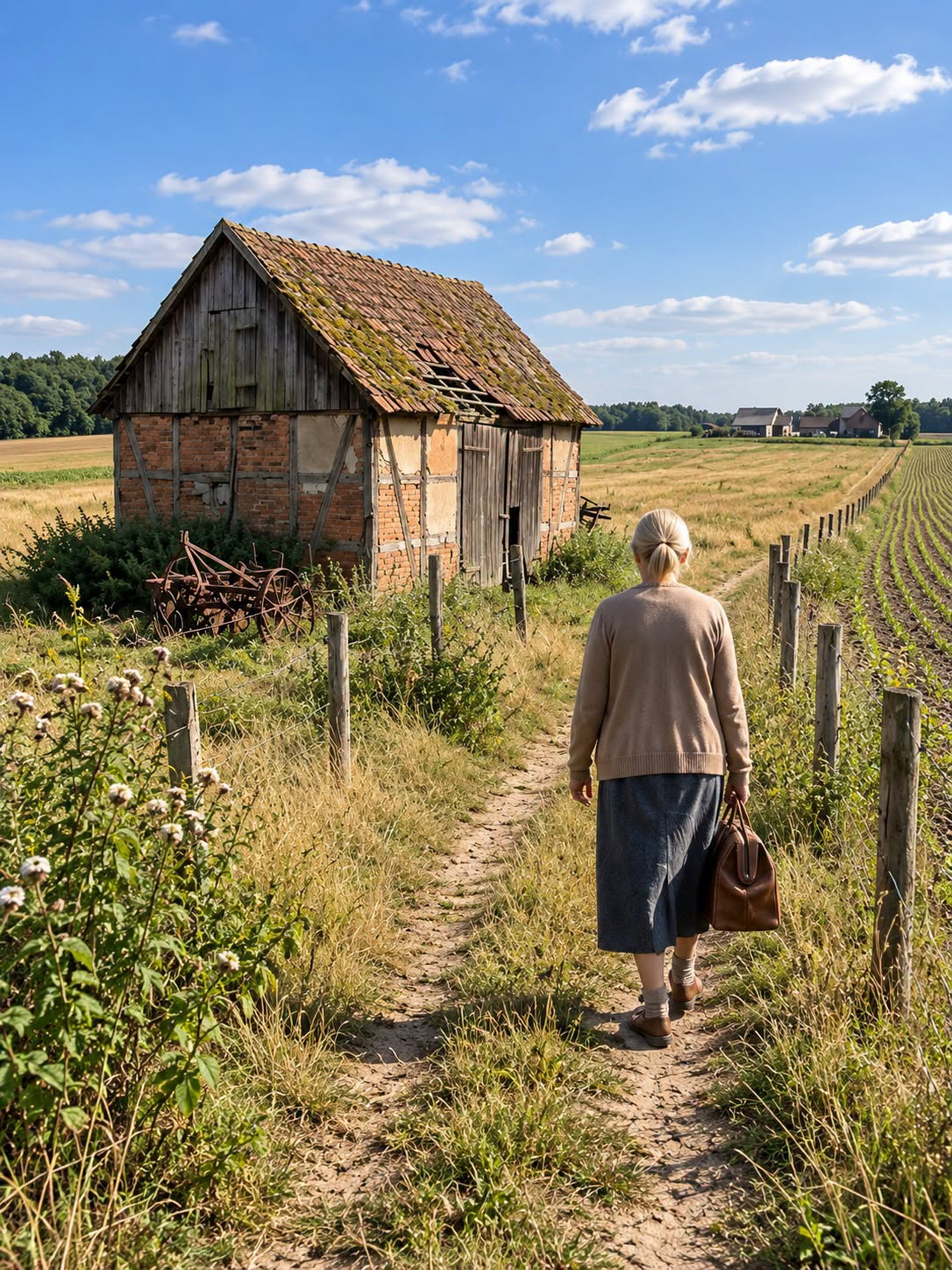
My son changed the locks on my house while I was at my husband’s grave. My daughter emptied my bank account that same afternoon. And when I returned home carrying the flowers I hadn’t been able to leave beside my husband’s headstone, both of them were standing on my front porch, waiting to tell me I no longer belonged there. I was sixty-eight years old. I had raised those children, paid for their college educations, helped them purchase their first homes, and spent forty-two years building the life they were now taking away from me. My son, Michael, wouldn’t even look me in the eyes when he handed me a suitcase. My daughter, Ashley, folded her arms and said, “Mom, you’re getting older. You need to accept that you can’t make financial decisions anymore.” Then she added the sentence I would remember for the rest of my life. “You should be grateful we’re handling this instead of putting you somewhere.” I looked at the suitcase. It was the small blue one I’d used when their father took me to Charleston for our thirty-fifth wedding anniversary. Inside were three sweaters, two pairs of pants, my medication, and a framed photograph of my grandchildren. Forty-two years of marriage. A four-bedroom house. Nearly $390,000 in savings and investments. A paid-off SUV. And the children I’d loved more than anything. All reduced to one suitcase. But they had forgotten something. Something my father left me in 1987. A neglected farm in the Missouri Ozarks. One hundred and eighty-six acres of rocky hills, broken fences, an old farmhouse, and a red barn with a roof that had been leaking since Ronald Reagan was president. My children thought the property was worthless. They had laughed about it for years. Michael called it Grandpa’s junkyard. Ashley said nobody would pay enough for the land to cover the cost of bulldozing the buildings. Neither of them knew that the farm had become the center of a land acquisition worth more than sixteen million dollars. Neither knew that my father had separated its ownership from the rest of my estate. And neither knew what I had found inside the locked wooden cabinet beneath his bedroom floor. But when Michael and Ashley finally discovered the truth, they didn’t come to apologize. They came with lawyers. Then a sheriff’s deputy. Then a court order they believed would force me to surrender the farm. And when that failed, my son did something so unforgivable that even my daughter backed away from him. By the time we stood before a judge, the question was no longer whether I would recover my house or my money. It was whether the two people I’d brought into this world would lose everything trying to steal the one thing my father had protected. If your own children took away the life you spent forty years building, would you fight to recover every dollar—or disappear quietly and let them discover what they had thrown away? My name is Margaret Collins. Most people call me Maggie. Until the morning my children locked me out, I lived in a quiet suburb of Springfield, Missouri, in a white colonial house with black shutters, a brick walkway, and a hydrangea bush my husband planted the summer our daughter was born. My husband, Robert, was a civil engineer. He was the sort of man who saved every receipt, sharpened pencils with a pocketknife, and believed a properly maintained lawn mower should outlive its owner. He wasn’t wealthy when we married. Neither was I. I worked as a school secretary for thirty-one years. Robert spent four decades designing roads, bridges, and municipal infrastructure. We weren’t flashy people. We didn’t buy expensive watches. We took road trips instead of European vacations. We drove cars until the repair bills became unreasonable. And we saved. Every month. Every year. Even when it was difficult. By the time Robert retired, our house was paid off. We had retirement accounts, savings, investments, and no consumer debt. He liked to sit on our back porch with a glass of iced tea and say, “Maggie, we’ve done all right.” I’d look at the garden and smile. “Yes, we have.” But there was one thing we hadn’t done right. We had never taught our children to hear the word no. Michael was our oldest. He was forty-three when everything happened. Tall, handsome, and polished in the way of men who spend more time choosing a tie than examining their own conscience. He worked in commercial real estate. He had a beautiful wife named Lauren, two teenage boys, and a house with six bathrooms. He also had a talent for spending money he hadn’t earned yet. When Michael was twenty-six, Robert helped him make a down payment on his first home. When he was thirty-one, we lent him $45,000 to start a property management business. When the business failed, we didn’t demand repayment. When he needed money to settle a dispute with a contractor, Robert gave him another $18,000. Michael always had an explanation. The market changed. A partner cheated him. Interest rates increased. A deal fell through. There was always a reason. And somehow, that reason always required our checkbook. Ashley was four years younger. Thirty-nine. Beautiful, organized, and capable of turning a family dinner into a discussion about why other people’s decisions disappointed her. She worked as a regional marketing director. Her husband, Kevin, owned a plumbing company. They had one daughter, our youngest grandchild, Emma. Ashley was more careful with money than Michael. But she had a different weakness. She believed being responsible gave her the right to control people who weren’t. When Robert was alive, she called every Sunday to ask whether we’d paid our bills. Not because we’d missed any. Because she believed we eventually would. She monitored my grocery shopping. Questioned my medical appointments. Suggested I stop driving after dark. And once told me I needed to sell my wedding china because “nobody needs that much stuff at your age.” Robert found her attitude irritating. I found it exhausting. But we excused it. Parents are extraordinarily talented at turning their children’s bad behavior into evidence of concern. Michael wasn’t greedy. He was ambitious. Ashley wasn’t controlling. She was protective. Their impatience wasn’t selfishness. They were busy. Their demands weren’t demands. They were requests from people we loved. Looking back, I can see how we helped create the situation. Not by loving them. Love wasn’t the mistake. The mistake was making every sacrifice so quietly that they eventually forgot someone had sacrificed anything at all. Robert died in February. A heart attack. Sudden. He’d been cleaning the garage on a Tuesday afternoon. I was making chicken soup. When I found him, he was lying beside his workbench, one hand resting near a box of old screws. The paramedics were kind. The emergency department was efficient. The doctors did everything they reasonably could. But Robert never came home. I buried him on a cold Friday morning beneath a gray Missouri sky. Michael gave the eulogy. Ashley selected the flowers. I stood between them while people told me what a good man I’d lost. Then everyone went home. That first night, I sat alone at our kitchen table. Two coffee mugs still stood beside the sink. Robert’s reading glasses rested on the newspaper. His boots were near the back door. I didn’t cry immediately. I picked up the glasses. Folded them. Placed them in the drawer where he kept his wallet. Then I cried until the sun came up. The following weeks were a blur of paperwork. Death certificates. Insurance forms. Account statements. Retirement beneficiary documents. Utility bills. Robert had always handled investments, although we discussed every major decision together. I knew roughly what we owned. I knew where the records were. But grieving made ordinary work feel like moving furniture through deep water. Michael noticed. He visited one afternoon carrying a folder. “Mom, we should simplify things.” I was sitting at the kitchen table. “Such as?” “Accounts. Bills. Investments.” “Your father left everything organized.” “I know, but you’re going through a lot.” “That doesn’t mean I can’t read a bank statement.” He smiled. “Of course not.” Then he placed the folder in front of me. “Just some paperwork so Ashley and I can help.” I glanced at it. Power of attorney. Financial authorization. Account access. I read the heading. Then looked up. “Why would you need this?” “In case something happens.” “Something happened to your father.” Michael’s expression softened. “Mom, don’t make this harder.” I closed the folder. “I’ll speak with our attorney.” He frowned. “Why?” “Because legal documents deserve legal advice.” He sighed. “Dad trusted me.” I looked him directly in the eyes. “Your father trusted me, too.” Michael stood. He didn’t argue. But his face changed. A small tightening around his mouth. A look I had seen before when a real estate negotiation wasn’t going his way. That should have been my first warning. My second came three days later. Ashley arrived carrying groceries and a calendar. She put the groceries away without asking where anything belonged. Then sat beside me. “Mom, Michael said you’re refusing help.” “I didn’t refuse help.” “He said you wouldn’t sign the paperwork.” “I said I wanted an attorney to review it.” Ashley made a frustrated sound. “You don’t need to spend money on lawyers every time we try to protect you.” I looked at her. “It’s my money.” She stopped. Then smiled tightly. “Of course it is.” That afternoon she asked about my memory. Had I forgotten appointments? Lost my keys? Left the stove on? Missed medications? I answered honestly. No. No. No. No. She looked disappointed. Then asked whether I’d considered moving into a senior community. I told her I had no intention of leaving my house. She changed the subject. A week later, Michael returned. This time he brought his attorney. Not Robert’s longtime attorney. His own. A man named Steven Price. He was in his forties, wore an expensive gray suit, and smiled too frequently. He explained that a limited financial power of attorney could simplify estate administration. I asked whether it would allow Michael to move money. Steven said it would depend on the powers granted. I asked whether Michael could change account ownership. Steven said the document contained safeguards. I asked whether he represented me. He hesitated. Then said, “I represent Michael, but the document is designed to assist you.” I folded my hands. “Then I would prefer independent advice.” Michael sighed. “Mom.” I looked at Steven. “Thank you for coming.” The meeting ended. Michael barely spoke to me for four days. Then my kitchen flooded. Not dramatically. Just enough. The supply line beneath the sink failed while I was visiting a neighbor. Water covered the hardwood floor. It seeped beneath the cabinets. I called a plumber. He arrived within an hour. The damage was manageable. But Ashley appeared while the plumber was working. She examined the wet floor. Then looked at me. “This is exactly what we’re worried about.” I stared at her. “Pipes break.” “Mom, you didn’t even notice.” “I wasn’t home.” “That isn’t the point.” I almost laughed. “What is the point?” She looked toward the plumber. Then lowered her voice. “You’re not capable of maintaining this house alone.” I said nothing. Not because she was right. Because I was beginning to hear something underneath her words. A conclusion searching for evidence. Over the next month, small things happened. My online banking password stopped working. Michael said the bank had upgraded its security. My monthly statement stopped arriving by mail. Ashley said paperless billing was easier. A real estate agent called asking when the house would be available for photographs. Michael said it was a misunderstanding. Then the title company called. That call changed everything. A woman named Rebecca asked whether I had received the documents she sent. “What documents?” “The property transfer package.” I went completely still. “Property transfer?” “Yes, ma’am. We’re working with Mr. Michael Collins.” I looked toward Robert’s photograph on the mantel. “What transfer?” There was a pause. “The proposed conveyance of your residence into the Collins Family Property Trust.” My heart began pounding. I kept my voice steady. “I haven’t approved that.” Another pause. “Mrs. Collins, perhaps you should contact your attorney.” I thanked her. Wrote down her name. The company. The time. Then called Robert’s attorney. Thomas Bennett. Seventy-two years old. Silver hair. A voice that sounded like gravel in a coffee can. He’d handled our estate planning for more than twenty years. He answered personally. “Maggie.” “Thomas, I need to ask you something.” “Of course.” “Have I signed anything transferring my house?” Silence. Then he said, “Not through this office.” I closed my eyes. “Michael is trying to put it into a trust.” Another silence. “Come see me.” I went the next morning. Thomas examined the copies I’d obtained from the title company. His face grew serious. The proposed documents contained language granting Michael and Ashley substantial control over property management. Some signatures had apparently been supplied electronically. One document included an acknowledgment attributed to me. I stared at it. “I didn’t sign that.” Thomas looked up. “Are you certain?” “Yes.” He examined the page. Then set it aside. “We need to find out exactly what has been filed, what authority they claim, and whether any transactions have occurred.” I nodded. My hands were cold. “Thomas, can they take my house?” “Not lawfully just because they want it.” I felt a flicker of relief. He continued. “But if documents have been misused, we need to act quickly.” We discussed revocation of any authorizations I might unknowingly have granted, written notices to financial institutions, and steps to protect my property. Thomas asked for every paper Michael and Ashley had brought. I gave him what I still had. He promised to review them. Then he asked something that made me uncomfortable. “Maggie, have you signed any documents recently without reading them?” I hesitated. There had been one. A month earlier. Ashley brought a stack of papers after my annual physical. She said they were medical release forms so she could communicate with my doctors if necessary. I had read some of them. Not every page. I trusted my daughter. I signed. Thomas watched my face. “What is it?” I told him. He took off his glasses. “Do you have copies?” “No.” He sighed quietly. “Then we’ll request them.” I drove home frightened but determined. I planned to confront my children after Thomas established the facts. That evening, Michael called. “Mom, Ashley says you’ve been talking to lawyers.” “Yes.” He exhaled. “Why are you doing this?” “Because someone is attempting to transfer my house.” “It’s estate planning.” “Without my permission?” “We discussed it.” “No. You discussed it. I refused.” A pause. Then he said, “You don’t remember agreeing?” My stomach tightened. “I remember exactly what I said.” “Mom, this is what worries us.” I stared at the phone. He continued. “You’ve been confused since Dad died.” “No.” “You forget conversations.” “No.” “You get upset over routine decisions.” I sat very still. Then asked, “Michael, are you suggesting I have dementia?” He was silent. That silence told me more than an answer would have. Finally he said, “I think you should be evaluated.” I closed my eyes. Not because I was confused. Because I understood. My children were not simply trying to help me manage money. They were building a story in which my objections became evidence that I could not manage it myself. I ended the call. Then documented everything. Date. Time. Exact words. Robert used to tease me about keeping notebooks. He said I could reconstruct an entire family vacation from grocery receipts. Now I was grateful for that habit. I spent the next two days gathering records. Bank statements. Property tax notices. Insurance information. Medical documents. I requested a credit report. Checked the county recorder’s office. Contacted my bank. The results were disturbing. A new authorized signer had been added to one investment account. Michael. A significant transfer had moved money into an account associated with a family management entity. And someone had requested an increased credit line secured by property. I didn’t understand every detail yet. But I understood enough. Something was terribly wrong. Thomas was preparing emergency legal steps when I received a letter from Ashley. It looked official. A medical evaluation appointment. A geriatric specialist. The appointment had been scheduled without my consent. I called the office. The receptionist confirmed Ashley had contacted them. She said the referral described concerns about cognitive decline. I asked who had made the referral. The receptionist hesitated. Then said a physician’s office had transmitted information. I requested copies through the proper channels. The next day, I scheduled my own appointment with my longtime physician, Dr. Helen Morris. She had treated me for fifteen years. She knew my history. My medications. My blood pressure. My arthritis. And my remarkable ability to remember the birthdays of everyone in her office. I explained what was happening. Helen listened carefully. Then said, “Maggie, grief can affect sleep, concentration, and energy. But what you’re describing requires us to distinguish ordinary grief from actual cognitive impairment.” “I understand.” She performed an evaluation and reviewed my recent medical records. There was no finding that I lacked decision-making capacity. She documented her assessment. Then looked at me. “Do you feel safe at home?” I hesitated. That question hurt more than anything else. Because I had always felt safe at home. Until my own children began treating it as a property they could claim. “I don’t know,” I admitted. Helen gave me information about older-adult legal assistance and protective services. I took it. Then called Thomas. He moved faster. Written notices went to the banks. A petition was prepared. And arrangements were made to examine the questionable financial documents. I believed we had time. I was wrong. The following Tuesday was Robert’s birthday. He would have turned seventy-one. I bought yellow roses. His favorite flower wasn’t yellow roses, of course. He loved ordinary red geraniums. But I had bought yellow roses for his grave because they reminded me of the flowers he once brought home after forgetting our anniversary. I planned to visit the cemetery. Then have lunch at the little diner where we ate breakfast every Sunday. I left the house at nine. When I returned at noon, my key didn’t work. At first, I thought the lock was stuck. I tried again. Nothing. Then I noticed the new keypad. The front door had been fitted with an electronic lock. My old brass deadbolt was gone. Michael’s SUV sat in the driveway. Ashley’s car was parked behind it. I rang the bell. Michael opened the door. He was wearing a blue polo shirt. He looked tired. Not ashamed. Just inconvenienced. “Mom.” I stared at the keypad. “What happened to my lock?” He glanced behind him. “Ashley and I made a decision.” I felt my heartbeat slow. That strange kind of calm that arrives when fear becomes certainty. “What decision?” Ashley appeared. She was holding a folder. “Mom, we’ve arranged temporary accommodations while everything gets sorted out.” I looked past her. My living room furniture had been moved. Boxes stood near the stairs. A young man I didn’t recognize was carrying a lamp toward the garage. “What are you doing?” Ashley sighed. “We’ve talked about this.” “No.” “Mom—” “We haven’t.” Michael stepped onto the porch. “Let’s not make a scene.” I looked at him. “I’m standing outside my own house.” He lowered his voice. “Technically, the property is now under family management.” I stared. “Under what authority?” Ashley opened the folder. She showed me a document. A deed. Or what appeared to be one. My name was on it. So were theirs. I recognized the signature immediately. It wasn’t mine. It resembled mine. But I hadn’t written it. Then I saw the notary’s name. Steven Price’s office. My stomach tightened. I looked up. “Michael, I did not sign this.” He looked away. Ashley crossed her arms. “Mom, we’ve already been through this.” “No.” “You don’t remember.” “I remember perfectly.” She sighed. Then said, “This is exactly why we had to act.” I looked through the open doorway. My house. My wedding photographs. The clock Robert repaired after our first Christmas together. The rug I bought with my final paycheck before retiring. Everything was still there. But suddenly it had become something I was being allowed to look at. Not enter. I turned to Michael. “Where are my car keys?” He hesitated. “Your car is being kept at the dealership for now.” “Why?” “Safety.” I stared at him. “My registration is in the glove compartment.” “We know.” I looked at Ashley. “And my accounts?” She tightened her grip on the folder. “We’ve consolidated things.” I felt cold. “How much?” “Mom, please.” “How much of my money have you moved?” She didn’t answer. Michael stepped closer. “Look, we’ll make sure you have what you need.” I looked at the suitcase beside his feet. Then at the folder in Ashley’s hands. Then at my children. The people I had carried through fevers. Driven to school. Helped with homework. Held during nightmares. The people for whom I’d baked birthday cakes and saved college money and stayed awake through every teenage crisis. They stood on my porch as though I were a tenant who had violated a lease. I took a slow breath. Then I said, “I’m going to call Thomas.” Michael’s face tightened. “Mom, you don’t need to involve lawyers.” “You already did.” Ashley looked irritated. “Don’t make this adversarial.” I almost laughed. Then I asked the only question that mattered. “Are you refusing to let me inside?” Neither answered. I took out my phone. Started recording. “Michael. Ashley. Are you refusing to allow me into my residence?” Michael looked at the phone. “Put that away.” “Answer the question.” Ashley said, “For now, yes.” I nodded. “Thank you.” Then I stopped recording. Picked up my suitcase. And walked away. I did not scream. I did not beg. I did not throw the flowers. I placed them carefully on the passenger seat of my neighbor’s car when she offered me a ride. Then I called Thomas. His reaction was immediate. “Where are you?” “Outside the house.” “Do not sign anything.” “I won’t.” “Are you safe?” “Yes.” “Come to my office.” I did. Thomas listened. Reviewed the recording. Examined photographs of the documents. Then made several calls. He was angry. Not loudly. Thomas had the kind of anger that made his voice quieter. He told me the purported deed and financial authorizations required urgent legal scrutiny. He also explained something important. Even if my children had convinced a bank or title company to accept documents, that did not automatically make those documents valid. But reversing unauthorized transactions could take time. There would be notices. Hearings. Evidence. Maybe forensic handwriting analysis. Possibly criminal investigation. Meanwhile, I needed somewhere to sleep. Thomas offered to arrange a hotel. I declined. Not because I was proud. Because I remembered something. The farm. My father’s farm. Eighty miles south. Near the little town of Willow Ridge. I hadn’t visited in nearly three years. The farmhouse was old. The power might be disconnected. The well pump might not work. But I still had the key. And more importantly, my father had left the land to me personally. Long before Michael and Ashley were born. Long before Robert and I built our home. Long before anyone imagined my children might become the people standing on that porch. I looked at Thomas. “I have somewhere to go.” He frowned. “Where?” “Dad’s farm.” He was silent. Then his expression changed. “The Miller place?” I nodded. Thomas knew it. He had helped my father update his estate documents in the 1980s. He leaned back. “Maggie.” “Yes?” “Are you sure?” “It’s still mine.” “Of course.” I studied his face. “Why are you looking at me like that?” He hesitated. Then asked, “When was the last time you reviewed the property’s mineral and access rights?” I frowned. “Years ago.” Thomas was quiet. Then he said, “You should come back tomorrow.” “Why?” “I want to pull the file.” I stared at him. “What file?” He looked at me carefully. “Your father left more paperwork than you may remember.” I did not understand what he meant. Not then. I only knew I needed a place where my children couldn’t order me to leave. That afternoon, I borrowed my neighbor’s old Buick. I bought groceries. Bottled water. Flashlights. Batteries. A blanket. And a small portable heater I could use safely once I confirmed the electrical system. Then I drove south. The highway gave way to county roads. The towns grew smaller. Pastures replaced shopping centers. Billboards disappeared. By late afternoon, the Ozark hills rose around me. Brown grass. Bare oak trees. Old fences. Creeks lined with smooth limestone. I knew every turn. My father had driven these roads with me when I was a child. Back then, the farm seemed enormous. An entire world. We had cows. A vegetable garden. A pond. A red barn. A tractor that only started when Dad threatened to sell it. And a farmhouse with a deep front porch where my mother drank sweet tea in the summer. I grew up believing there was no safer place on earth. Then I married Robert and moved to Springfield. Dad kept farming until he was nearly eighty. When he died, he left the property to me. He said, “Maggie, this land isn’t fancy, but it has always taken care of us.” I promised I would never sell it. I meant that. But life became busy. Children. Work. Robert’s career. Grandchildren. Then illness. Then grief. The farm became a place I paid taxes on and rarely visited. A sentimental responsibility. Not a home. Until the day my children locked me out. I turned onto the old gravel driveway shortly before sunset. The gate hung crooked. The fence was half covered in vines. The farmhouse appeared between two enormous oak trees. White paint peeling. Green shutters faded. A section of gutter hanging loose. The porch steps sagged. But the house still stood. So did the red barn. The pond lay beyond the pasture, reflecting the orange evening sky. I parked. Got out. And stood in silence. The air smelled of damp leaves and hay. A woodpecker tapped somewhere behind the barn. Wind moved through the grass. I walked up the porch steps. Inserted the old brass key. The lock turned. And for the first time that day, a door opened because I belonged on the other side. I stepped into my father’s house. Dust lay on the furniture. Cobwebs hung in corners. The wallpaper had faded. But everything was familiar. The stone fireplace. The oak table. The old clock. The framed photograph of my parents on their wedding day. I set my suitcase down. Then whispered, “Daddy, I came home.” That was when I finally cried. Not loudly. Not dramatically. I sat in my father’s old rocking chair and let the tears come. For Robert. For the house I’d lost. For the children who had betrayed me. For all the years I’d spent believing kindness would always be returned with kindness. Then I wiped my face. Turned on my flashlight. And checked the house. The power was disconnected. The water lines needed inspection. The kitchen floor was solid. The roof appeared mostly intact. The fireplace couldn’t be used until the chimney was inspected. The bedrooms smelled stale but dry. I found clean blankets sealed in a cedar chest. Then I made a temporary bed on the living room sofa. I ate crackers and cheese. Drank bottled water. And fell asleep beneath the quilt my mother made when I was twenty-two. The next morning, sunlight entered through the kitchen curtains. Birds sang outside. For several seconds, I forgot everything. Then I remembered. My children. The locks. The money. The suitcase. I lay still. Then sat up. “Okay, Maggie,” I said aloud. “Get to work.” I had spent my whole life helping other people solve problems. Now I had one of my own. And I intended to solve it properly. I called an electrician. A plumber. A roofer. Then the utility company. By noon, I had appointments. By two, I had cleaned the kitchen enough to make coffee on a portable camp stove outside. By four, I had found the old ledger where Dad recorded repairs and farm expenses. And by sunset, I had discovered the first sign that someone had been visiting the property without telling me. Fresh tire tracks. Behind the barn. Not old. Not covered in leaves. Recent. I followed them across the pasture. They led toward the northern boundary. Then stopped beside an old cattle gate. The gate was locked. With a chain I didn’t recognize. And attached to the chain was a small metal tag. RIDGELINE DEVELOPMENT SERVICES. I stared at it. I had never heard of that company. I photographed the gate. The tire tracks. The tag. Then returned to the house. My father had left me a farm. My children had forgotten it. But apparently someone else hadn’t. And I was about to learn why. The next morning, I drove into Willow Ridge. It had changed less than I expected. The hardware store still stood beside the post office. The diner still advertised homemade pie. The old movie theater was now a church. And the bank where my father deposited milk checks had become a real estate office. I parked outside the diner. A little bell rang when I opened the door. The smell of bacon, coffee, and warm biscuits hit me immediately. For a moment, I was twelve again. Dad would bring me here on Saturdays after buying feed. He always ordered two eggs over easy, hash browns, and wheat toast. I ordered the same. The waitress was an older woman with short silver hair. She studied me while pouring coffee. “Excuse me. Are you Frank Miller’s daughter?” I looked up. “Yes.” Her face brightened. “Margaret?” “Maggie.” She smiled. “Well, I’ll be.” Her name was Ruth Jenkins. She’d been a waitress here when I was in high school. We talked for several minutes. She asked about Robert. When I told her he’d died, her expression softened. “I’m sorry, honey. He was a good man.” I nodded. “He was.” Then she asked whether I was visiting the farm. “Actually, I’m staying there.” Ruth stopped pouring coffee. “Staying?” “Yes.” “For how long?” “I don’t know.” She looked toward the window. Then back at me. “Did someone contact you about the land?” My fork stopped halfway to my mouth. “What?” Ruth hesitated. “Nothing. I just heard there was interest in property up your way.” “What kind of interest?” She glanced toward a table near the door. Two men in work jackets were drinking coffee. One looked up when she said the word property. Ruth lowered her voice. “People have been buying land around the old Miller place.” “Who?” “A company out of Kansas City, I think.” I thought of the metal tag. Ridgeline Development Services. “Has anyone been using my northern gate?” Ruth’s eyes widened. “Why?” “Someone put a new lock on it.” She set down the coffee pot. “Maggie, you need to speak with Harold Bennett.” “Who’s Harold Bennett?” “He was the county surveyor for years. Retired now.” I nodded. “Where can I find him?” “He comes in every morning at seven.” I looked at the clock. Seven fifteen. Ruth smiled faintly. “Back corner.” I turned. An elderly man sat alone beside the window. White hair. Blue flannel shirt. Heavy glasses. A large breakfast plate. I approached. “Mr. Bennett?” He looked up. “Depends who’s asking.” “Margaret Collins. Frank Miller’s daughter.” His fork stopped. Then he removed his glasses. “Well, I’ll be damned.” He stood slowly. Shook my hand with both of his. “Your daddy was the most stubborn farmer in three counties.” I smiled. “I’ve heard that.” “Good man, though.” He sat. “Pull up a chair.” I did. Harold listened while I explained the locked gate. He didn’t interrupt. Then he asked, “You still own all one hundred and eighty-six acres?” “As far as I know.” He frowned. “As far as you know?” “I haven’t sold anything.” “Good.” He took a sip of coffee. Then leaned closer. “Your father ever tell you about the easement?” My stomach tightened. “What easement?” Harold looked surprised. “The old northern access agreement.” I shook my head. He sat back. “Well, that explains a few things.” “What things?” “Why everybody’s been asking questions about the Miller place.” I folded my hands. “Harold, I’m going to need you to start at the beginning.” He nodded. Then began. In the late 1970s, several investors proposed building a large reservoir and regional water distribution system north of Willow Ridge. The project never advanced beyond preliminary engineering. The land was too fragmented. The costs were high. And the county couldn’t reach agreements with several property owners. My father owned one of the most important parcels. His northern ridge sat directly between two valleys. There was an old service road across it. And beneath that ridge ran a limestone formation engineers believed could accommodate a water conveyance tunnel. “Your daddy wouldn’t sign away permanent access,” Harold said. “Why?” “He didn’t trust the developers.” I smiled faintly. “That sounds like him.” Harold nodded. “He said if they wanted to use his land, they’d have to prove it helped the county, not just their investors.” I looked toward the window. “Did they ever build the reservoir?” “No.” “Then why would someone want the land now?” Harold’s expression became serious. “Because the project has come back.” I stared. “What project?” “Regional water storage. A much larger version.” “How large?” He hesitated. “Big enough that they’re buying up land quietly.” My heartbeat quickened. “Who is?” “Different companies. But I believe they all connect to the same development group.” “Ridgeline?” Harold nodded slowly. “I’ve heard the name.” I took out my phone. Showed him the photograph of the gate. He studied it. Then said, “Maggie, that gate sits on your property.” “I know.” “And unless you’ve granted access, they don’t get to control it.” I looked at him. “What should I do?” He smiled. “First, get a current survey.” I nodded. “Then call your attorney.” “I have one.” “Good.” He set down his coffee. “And don’t sign anything until somebody explains exactly what they want.” I almost laughed. “My children have already taught me that lesson.” Harold looked at me. “What happened?” I hesitated. Then told him. Not every detail. Just enough. The house. The accounts. The locks. When I finished, he sat very still. Then shook his head. “Frank would have been furious.” I looked down. “Yes.” Harold leaned forward. “Your daddy once said something about you.” I looked up. “What?” “He said you were the only person in the family who understood the land wasn’t just something to sell.” My throat tightened. Harold continued. “He said, ‘Maggie might leave this place someday, but she’ll never forget what it means.’” I swallowed. Then smiled. “He was right.” Harold reached into his jacket. Removed a business card. “Call my son. He’s a licensed surveyor now. Tell him I sent you.” I took the card. “Thank you.” He nodded. Then added, “One more thing.” “Yes?” “If Ridgeline starts offering money, ask yourself why they didn’t come to you first.” That question stayed with me all the way home. At the farm, the electrician had arrived. He was a young man named Tyler Grant. He checked the wiring and found several problems, but the main service equipment was in better condition than I feared. He explained what needed replacement before the power could be restored. I approved the necessary work. The plumber arrived an hour later. The well pump had failed. The pressure tank needed replacing. Several pipes had frozen and split. None of it was cheap. But the foundation was solid. The farmhouse could be made habitable. And I had enough accessible money to handle the immediate repairs. Not from the accounts Michael and Ashley had moved. From a small checking account I kept at the local credit union. I’d opened it decades earlier to pay farm taxes and insurance. Neither child knew it existed. There was $8,412 in it. Not enough to solve everything. Enough to begin. That afternoon, I called Thomas. He answered on the second ring. “Maggie.” “I met Harold Bennett.” A pause. “Harold’s still around?” “Very much so.” I explained the gate. The reservoir proposal. The development company. Thomas became quiet. Then said, “I pulled your father’s file.” My heart accelerated. “And?” “There’s something you need to see.” “What?” “An old agreement. And several letters.” “From Dad?” “Yes.” I sat down at the kitchen table. “What kind of agreement?” Thomas hesitated. “A right of first negotiation for a proposed water infrastructure corridor. It expired years ago.” I frowned. “Then why would Ridgeline care?” “Because the current project appears to need substantially the same route.” I stared at the wall. “Thomas, are you telling me my farm is in the middle of a major development?” “Potentially.” “How major?” He paused. “Maggie, I don’t want to give you a number before reviewing the current documents.” “Just tell me whether Harold is exaggerating.” “He isn’t.” I closed my eyes. Then Thomas said, “And there is another issue.” “What?” “Someone contacted my office six months ago asking about the Miller property.” I froze. “Who?” “A representative of Ridgeline.” “What did they want?” “Information about ownership and potential sale.” My heartbeat quickened. “What did you tell them?” “That you were the owner.” “Did they contact me?” “Apparently not.” I looked toward the northern pasture. “Thomas, who did they contact?” There was a long silence. Then he said, “Michael.” My stomach dropped. My son. The same son who had taken control of my accounts. The same son who changed my locks. The same son who believed I was too confused to manage my own property. Ridgeline had contacted him about the farm six months before he started pressuring me to sign financial documents. I stared at the wall. “Are you sure?” “Yes.” “How do you know?” “His name appears in the correspondence.” I closed my eyes. There it was. A connection. Not proof of wrongdoing. But a reason to investigate. “Send me copies.” “I will.” “And Thomas?” “Yes?” “Don’t tell Michael we’ve discussed this.” “I won’t.” I ended the call. Then opened my notebook. Wrote down everything. I had started with a stolen house. Now I had a locked gate. A development company. And a son who had been speaking to strangers about property he did not own. I wondered how much of this had been planned. Then I corrected myself. Don’t assume. Document. That had been Robert’s rule. And I intended to follow it. Over the next week, the farm slowly came back to life. The electrical service was repaired. The well pump was replaced. The plumbing was inspected and restored. A local contractor repaired the porch steps. The roofer patched the worst leaks and scheduled a more extensive inspection. I washed curtains. Scrubbed floors. Opened windows. Burned old papers in the approved outdoor burn area only after checking local restrictions. And cleaned thirty years of dust from my father’s bedroom. I found his shaving mug. His pocket watch. His old Bible. A stack of birthday cards I’d sent him. Every card. Every year. He had kept them in a wooden box beneath his bed. I sat on the floor reading them. One from 1998. Happy Birthday, Daddy. The kids send hugs. We’ll visit soon. Another from 2004. Happy Birthday! Sorry we can’t make it this weekend. Another from 2010. We love you. Hope to see you at Christmas. I stared at those words. Hope to see you. Sorry we can’t make it. We’ll visit soon. How many times had my father sat alone in this house waiting for us? How many times had he looked at the driveway expecting a car that never arrived? I thought of my own children. Their busy lives. Their excuses. Their impatience. Then I understood something uncomfortable. I’d inherited more than my father’s land. I’d inherited the consequences of years when I had been too busy to notice his loneliness. That realization didn’t excuse Michael or Ashley. It reminded me that people can fail each other in different ways. I placed the cards back in their box. Then continued cleaning. On the fourth afternoon, I discovered the cabinet. It wasn’t hidden behind a secret wall. There were no mysterious symbols. No elaborate mechanism. Just a narrow wooden compartment beneath the floorboards in Dad’s bedroom. I remembered it from childhood. He used to keep farm deeds and emergency cash there. After his death, I thought Thomas had collected the important documents. Apparently not all of them. The compartment was beneath an old braided rug. I lifted the rug. Removed the wooden cover. Inside sat a small steel document box. And beneath it, wrapped in a faded dish towel, was a dark green ledger. My father’s handwriting appeared on the cover. MILLER FARM — LONG-TERM RIGHTS. I opened it. The first pages listed ordinary things. Fence repairs. Well maintenance. Equipment expenses. Property tax payments. Then came something unexpected. A series of correspondence records dating from 1978 through 1986. Letters from engineering companies. Land acquisition agents. Attorneys. State officials. And a corporation called Ozark Regional Water Partners. I read carefully. My father had been negotiating with the original reservoir developers. But he never agreed to sell. Instead, he’d demanded specific protections. Guaranteed farm access. Environmental studies. Compensation for permanent easements. Water rights for surrounding farms. And restrictions on future commercial use. One letter contained a sentence underlined in red. THE MILLER RIDGE IS THE ONLY ECONOMICALLY FEASIBLE ALIGNMENT FOR THE PROPOSED WESTERN CONVEYANCE TUNNEL. I stared at it. Only economically feasible alignment. Not the only possible route. But the route that made the project financially workable. That distinction mattered. The developers might be able to go around my land. It might just cost substantially more. I turned another page. A map showed a pipeline crossing the northern edge of the farm. Then a service access road. Then a maintenance station. Then a reservoir to the northeast. I studied the map. The proposed line ran directly beneath the gate where someone had installed a new chain. My pulse quickened. I took photographs. Then opened the steel document box. Inside were original deeds. An estate planning folder. A title insurance policy. And a handwritten letter from Dad. The envelope was addressed to me. Maggie. I sat on the bed. For a moment, I couldn’t open it. His handwriting was so familiar. The careful capital M. The slightly crooked g. The way he pressed hard enough to leave indentations on the page beneath. I opened the envelope. My girl, If you’re reading this, I suppose I’ve finally gone somewhere you can’t call me and ask how to fix a leaky faucet. Don’t be sad too long. I had a good life. Your mother was the love of it. You were the best part. I smiled through tears. Then kept reading. I left you the farm because I wanted you to have a place that belonged to you. Not to Robert. Not to your children. Not to anyone who might someday tell you what you are allowed to do. You have always been kind. Sometimes too kind. I worry that people mistake your kindness for permission. Don’t let them. This land isn’t worthless, no matter what anyone says. I’ve been approached more than once about the northern ridge. I turned down the offers because the terms weren’t right. Someday, the right project might come. If it does, you can make your own decision. Don’t be rushed. Don’t be frightened by big numbers. And don’t let anyone convince you that loving your family means surrendering your judgment. I wish I could tell you that lesson in person. Love, Daddy. I pressed the letter against my chest. Then looked toward the window. The red barn stood beyond the yard. The old pasture stretched toward the hills. My father had known me. He had known my weakness. He had loved me enough to leave something that required me to become stronger. And now, thirty-nine years after he wrote those words, I understood why he had insisted the farm remain in my name. Not because he had predicted my children would betray me. Because he knew life could change. And he wanted me to have somewhere I could stand without asking permission. I folded the letter carefully. Placed it in my purse. Then called Thomas. “I found Dad’s ledger.” He went quiet. “Is it intact?” “Yes.” “Good.” “Thomas, I need you to explain something.” “Go ahead.” “Why is the farm separate from everything else?” He paused. “Your father asked for that arrangement.” “I know. But how?” “The property passed directly to you through his estate. Robert and you later reviewed your own estate plan, and you kept the farm individually titled.” I nodded. I remembered. Robert had no interest in changing the ownership. He used to joke that if I ever kicked him out, he wanted somewhere nearby to rent a fishing cabin. “Does Michael have any authority over it?” “Not merely because he’s your son.” “And the documents they used for my house?” “Those are being challenged. But we need to review whether any of the claimed powers purport to cover the farm.” I looked at the original deed. “Could they?” “Not lawfully if the documents are invalid. But someone might still try to create a dispute.” I nodded. “What do I do?” “Secure the originals. Keep copies elsewhere. And don’t sign anything.” I almost smiled. “I won’t.” Thomas exhaled. “Your father would be proud.” I stared at the window. “I hope so.” The next morning, a black SUV arrived at the farm. I was outside repairing a loose section of fence. The vehicle stopped near the porch. A man in his forties stepped out. He wore a dark-blue coat. Clean boots. An expensive watch. And carried a leather folder. “Mrs. Collins?” “Yes?” “I’m Andrew Fletcher, with Ridgeline Development Services.” I set down my tools. “How can I help you?” He smiled. “I understand you’ve been staying here.” “This is my property.” “Of course.” He looked around. “Beautiful land.” “Thank you.” “We’ve been trying to reach the ownership group.” I studied him. “Ownership group?” He hesitated. “The Collins family.” I folded my arms. “There is no ownership group. I own the farm.” His smile tightened. “Yes, ma’am. That’s what we’re hoping to clarify.” I looked at the leather folder. “What exactly do you want?” He opened it. Removed a map. “Our company is evaluating a regional infrastructure project.” I nodded. “I’ve heard.” “We may need a temporary access agreement for survey work.” I glanced at the map. The proposed access road followed the same route as Dad’s old engineering drawings. “What kind of survey?” “Geotechnical work. Preliminary environmental studies. Some drilling.” “On my land?” “Yes.” “Have I approved any of that?” He hesitated. “We’ve been working with your family representative.” I kept my face neutral. “Who?” “Michael Collins.” There it was. Confirmed. I looked directly at him. “Mr. Fletcher, my son does not own this farm.” He cleared his throat. “I understand there may be some estate administration questions.” “There aren’t.” “Mrs. Collins, we’re trying to be cooperative.” “So am I.” I pointed toward the gate. “Did your company install a lock on my northern property entrance?” He glanced toward the pasture. “I’d have to check with our field team.” “Please do.” I pulled out my phone. Showed him the photograph. “That lock is on my gate.” He studied it. Then said, “It may have been installed for site security.” “Whose site?” He looked at me. I waited. Finally he said, “I’ll investigate.” “Good.” Then I asked, “Have your crews entered the property?” He hesitated again. “Potentially for preliminary observations.” I nodded. “Were those observations authorized by me?” “Mrs. Collins, I don’t have all the information.” “Then I’d appreciate a written account of what work has been done, who approved it, and whether any soil samples or surveys were taken.” His expression changed. The friendly smile disappeared. “You’re making this unnecessarily difficult.” I looked at him. “I’m asking basic questions about activity on my property.” He closed the folder. “Perhaps your son should be present.” “No.” He blinked. “Excuse me?” “You can speak directly with me or my attorney.” He studied me for a long moment. Then smiled again. “Of course.” He handed me a business card. “I’ll be in touch.” I took it. “Thank you.” He returned to his SUV. Drove away. I waited until he disappeared around the bend. Then photographed the tire tracks. Wrote down the conversation. And emailed Thomas. That afternoon, Thomas called. “Maggie, do you have a pen?” “Yes.” “I’ve obtained preliminary information about the proposed project.” I sat at the kitchen table. “Go ahead.” “The developers are assembling land for a reservoir, water distribution corridor, and related commercial infrastructure.” “How much land?” “Several thousand acres overall.” I looked toward the hills. “That’s enormous.” “Yes.” “Who owns the project?” “A consortium of private investors and regional utilities. Ridgeline appears to be one of the land acquisition contractors.” I nodded. “And my farm?” Thomas paused. “Your northern ridge appears to be important to the proposed conveyance alignment.” “How important?” “Potentially very.” I stared at Dad’s map. Then Thomas continued. “A preliminary engineering report describes an alternative route that would require substantial additional tunneling and road construction.” “How substantial?” “Several miles.” My pulse quickened. “And what would that cost?” “The report estimates tens of millions in additional project expenses.” I sat back. The kitchen suddenly felt very quiet. My children had called this farm worthless. Michael had laughed when I paid the taxes. Ashley had suggested donating it to a land trust just to avoid maintaining the buildings. And now a major development company was apparently trying to negotiate access without even speaking to me. “Thomas,” I said, “how much could the easement be worth?” He took a breath. “We need an independent appraisal and engineering review.” “I understand.” “But Maggie, we’re not talking about the value of an ordinary pasture.” I stared out the window. “Then what are we talking about?” He paused. “Potentially millions, depending on the scope of the rights and the leverage created by the route.” I closed my eyes. Millions. For a ridge covered in scrub oak. For land my children thought nobody wanted. For the place my father refused to sell. I opened my eyes. “Then let’s find out exactly what I own.” Thomas chuckled softly. “Now you sound like Frank.” I smiled. For the first time since Robert died, I felt something stronger than grief. Purpose. But I didn’t tell Michael. I didn’t tell Ashley. And I certainly didn’t tell Andrew Fletcher. I simply continued repairing the farm. Two days later, my son called. “Mom.” “Michael.” “Where are you?” “At the farm.” He exhaled. “Still?” “Yes.” “That’s not a permanent solution.” “I’m not asking you to solve it.” He paused. “Listen, I heard you’ve been talking to Ridgeline.” I kept my voice neutral. “Who told you?” “People talk.” “Yes, they do.” “Mom, those people have been working with us for months.” My grip tightened on the phone. “Us?” “The family.” I stared out the window. “Michael, you don’t own this farm.” He sighed. “We’re trying to maximize the estate.” “Whose estate?” “Dad’s.” “Your father never owned this property.” Silence. Then he said, “Mom, you’re getting confused again.” I closed my eyes. There it was. The old script. Disagree with Michael. Become confused. Ask a question. Become forgetful. Refuse to sign. Become incapable. I took a breath. “Michael, I have the original deed.” He said nothing. “I also have Dad’s estate records.” Silence. “And I have the correspondence showing you spoke to Ridgeline without my permission.” His voice hardened. “Where did you get that?” I almost smiled. “Records.” “Mom, you don’t understand how complicated this transaction is.” “Then explain it.” He exhaled sharply. “You’re being manipulated.” “By whom?” “People who want to take advantage of an elderly widow.” I stared at the phone. For a moment, I almost admired the audacity. Then I said, “Michael, if you’re concerned about someone exploiting me financially, perhaps we should start with whoever moved money out of my accounts.” Silence. Long. Complete. Then he whispered, “You shouldn’t be looking into that.” My stomach turned cold. “Why?” “Because you’re going to make things worse.” “For whom?” He didn’t answer. I waited. Then he said, “Ashley and I are coming down tomorrow.” “No.” “Mom—” “You’re welcome to communicate through Thomas.” He laughed bitterly. “Now you’re keeping your own children away?” I looked at the little farmhouse. The faded curtains. Dad’s rocking chair. The kitchen table where my mother once kneaded bread. “No, Michael,” I said. “I’m keeping control of my property.” I ended the call. Then saved the recording of our conversation. I was learning. And my son was beginning to understand that. The following week, the surveyor arrived. His name was Daniel Bennett. Harold’s son. He was fifty-four, quiet, and carried the same careful expression his father had worn at the diner. He and his crew spent two days checking boundary monuments and reviewing historical records. The results were clear. The northern gate sat entirely on my land. So did the old service road. And the proposed tunnel corridor crossed nearly three-quarters of a mile of my property. Daniel showed me the survey on the kitchen table. “Mrs. Collins, whoever installed that lock did it without your approval?” “Correct.” He nodded. “Then I’d document that with your attorney.” “I already have.” He pointed to the map. “There’s something else.” “What?” “The old recorded right-of-way ends near the county road. It doesn’t extend across your ridge.” I studied the document. “So the developers don’t have permanent access?” “Not under the documents I’ve examined.” I nodded. “Thank you.” He smiled faintly. “Your father was careful about his boundaries.” I looked at him. “Very.” Daniel continued. “He hired my dad to survey this place in 1984.” I smiled. “I remember.” “He insisted every corner monument be photographed and every field note preserved.” I looked toward Dad’s ledger. “That sounds exactly like him.” Daniel tapped the map. “Whatever happens, you’ve got good records.” After he left, I walked toward the northern gate. The new chain was still there. The Ridgeline tag still hung from it. I photographed everything again. Then stood looking down the old service road. Beyond the gate, the road disappeared into trees. Somewhere out there, engineers were planning a project worth hundreds of millions. Somewhere out there, my son was apparently negotiating access to land he didn’t own. And somewhere in Springfield, my daughter was probably telling people I had become confused. I took a breath. Then turned back toward the farmhouse. They had taken my house. My car. My savings. They had tried to take my independence. But they had overlooked one important detail. The woman they’d spent years calling helpless was the daughter of a man who taught her never to sign a document she hadn’t read. And I was finished letting other people decide what belonged to me. The first hearing about my house took place eleven days later. Thomas picked me up at seven in the morning. He drove an old Lincoln sedan that smelled faintly of leather and peppermint. When he reached the farm, I was standing on the porch wearing a navy dress, sensible black shoes, and the pearl earrings Robert gave me on our twentieth anniversary. Thomas looked me over. “You ready?” “No.” He smiled. “Good. People who are too comfortable in court tend to say foolish things.” I almost laughed. He opened the passenger door. We drove north. During the journey, Thomas reviewed the plan. We were seeking temporary protection of disputed assets, a halt to further transfers, and a full examination of the documents used to change ownership and account access. He explained that the court wouldn’t resolve every question in one morning. There would be procedural hearings. Discovery. Possibly expert testimony. And decisions about whether evidence should be referred for criminal investigation. I understood. I wasn’t expecting magic. I wanted the process to begin. At the courthouse, Michael and Ashley were already waiting. Michael wore a charcoal suit. Ashley had chosen a cream-colored blazer and matching trousers. Steven Price stood beside them. They looked like three people attending a business meeting. I wondered whether they had rehearsed their expressions. Michael approached. “Mom.” I nodded. “Michael.” He glanced at Thomas. “Do we really have to do this?” I looked at him. “You changed the locks on my house.” He lowered his voice. “Not here.” “Then where would you prefer to discuss it?” His jaw tightened. Ashley approached. “Mom, you look tired.” “I slept well.” She frowned. “Are you taking your medications?” “Yes.” “Because we’ve been worried.” I looked directly at her. “Ashley, concern doesn’t require transferring someone’s savings without permission.” She flushed. “That’s not what happened.” “Then your attorney can explain what happened.” Steven stepped forward. “Mrs. Collins, we would prefer to resolve this as a family matter.” Thomas spoke before I could answer. “My client would prefer to have her property rights respected.” Steven’s smile disappeared. We entered the courtroom. The judge was a woman named Eleanor Brooks. Mid-fifties. Dark hair pulled back. Glasses resting low on her nose. She had the calm expression of someone who could distinguish complicated legal questions from manufactured confusion. Thomas presented the initial evidence. The questionable deed. Bank records. The lockout. My physician’s assessment. The video I’d recorded on the porch. Steven argued that Michael and Ashley had acted because of legitimate concerns about my well-being. He referred to grief. Stress. Possible confusion. And the family’s desire to protect assets. The judge listened. Then asked a simple question. “Is there an adjudication of incapacity?” Steven shifted. “No, Your Honor.” “Any guardianship or conservatorship order?” “No.” “Any court order authorizing the children to exclude Mrs. Collins from her residence?” “No.” The courtroom became quiet. The judge examined the documents. Then asked who prepared the deed. Steven explained that his office had handled paperwork supplied by the family. She looked at the signature. “Is Mrs. Collins disputing execution?” Thomas stood. “Yes, Your Honor.” The judge looked toward me. “Mrs. Collins, did you sign this deed?” I stood. “No, ma’am.” “Did you authorize your children to transfer title to the house?” “No.” “Did you voluntarily move out?” “No.” “Where are you living now?” “At my father’s farm.” The judge looked up. “Is that property involved in this dispute?” Thomas answered carefully. “Not in the current petition, Your Honor. It is separately titled property owned by Mrs. Collins.” The judge nodded. Then returned to the issue before her. She ordered additional production of the underlying documents and records of execution. She imposed temporary restrictions against further disposition of the disputed residence and specified accounts. And she directed the parties to address access and possession promptly under the applicable procedures. It wasn’t a final ruling that returned everything to me. But it stopped the bleeding. When the hearing ended, Michael looked furious. Ashley appeared stunned. Neither had expected anyone to question their authority so directly. Outside the courtroom, Michael approached Thomas. “This is going to cost a fortune.” Thomas looked at him. “Litigation often does.” Michael turned toward me. “Mom, we were going to take care of you.” I studied my son. For a moment, I saw the little boy who used to climb into my lap after bad dreams. The one who cried when his goldfish died. The one who once saved his allowance to buy me a plastic bracelet for Mother’s Day. I loved that boy. I probably always would. But the man standing in front of me had used my grief as an opportunity. And love could not erase what he had done. “Michael,” I said quietly, “taking care of someone doesn’t mean taking everything they own.” He looked away. Ashley stepped closer. “You’re letting Thomas turn you against us.” I shook my head. “No, sweetheart. I’m allowing him to protect me from what you already did.” She stared at me. Then walked away. I stood there watching my children disappear down the courthouse steps. My heart ached. But I did not call them back. Some relationships cannot be repaired while one person is still holding the other’s belongings hostage. Two days later, the bank contacted Thomas. The records were worse than we feared. A financial authorization had been used to move $174,000 from one investment account into an entity associated with Michael’s business. Another $96,000 had been transferred to a joint management account. Additional funds had been pledged as security for a credit facility. Not all the money had necessarily been spent. But it was no longer under my direct control. The total exposure was substantial. I sat at the farm’s kitchen table while Thomas explained. “Can we recover it?” “We’ll pursue every available remedy.” “Has Michael spent it?” “Some of the records suggest disbursements to business expenses.” I closed my eyes. Business expenses. Another failed development. Another project. Another emergency requiring someone else’s money. I opened my eyes. “And Ashley?” “She appears to have received transfers described as administration reimbursements.” “How much?” “Approximately thirty-eight thousand so far.” I stared at the wall. Thirty-eight thousand dollars. My daughter had criticized me for paying someone to clean my gutters. She complained when I spent $120 on new shoes. She told me I needed to stop buying gifts for the grandchildren because retirement money wouldn’t last forever. And she had apparently accepted tens of thousands from accounts she claimed to be protecting. I took a breath. “Thomas, I want the complete accounting.” “That’s our next step.” “No estimates. No family explanations. Every dollar.” He nodded. “Understood.” Then I asked something I’d avoided. “Was Robert’s life insurance included?” Thomas looked down at his notes. “There was a deposit into your account shortly after his death.” My throat tightened. “Could they have moved that too?” “Some of it appears included in the subsequent transfers.” I looked toward Robert’s photograph. The money he’d arranged to protect me after he died. The final practical thing he’d done for his wife. My children had treated it as a source of cash. For the first time, my anger outweighed my sadness. I stood. Walked to the sink. Filled a glass of water. Drank half. Then turned. “Do whatever is necessary to preserve the records.” Thomas nodded. “I will.” “And don’t let them tell you this was a misunderstanding.” His expression softened. “Maggie, I’m not easily misunderstood.” I almost smiled. The next morning, I returned to work at the farm. I needed something physical to do. Something with a beginning and an end. Paperwork was important. But it didn’t repair a broken fence. And I needed to see progress somewhere. I spent the morning clearing brush along the barn. At noon, my neighbor arrived. His name was Samuel Parker. Everyone called him Sam. He was seventy-four, tall, lean, and wore a faded green cap. His family had farmed the adjoining property for three generations. He’d known my father since they were boys. Sam climbed out of his pickup and looked at the barn. “Well, Maggie Miller.” I smiled. “Sam Parker.” He shook my hand. “Didn’t know you were back.” “Neither did I.” He laughed. Then looked more carefully at me. “Everything all right?” I hesitated. “Not exactly.” He nodded. “Most things aren’t.” Sam had never been a man who wasted words. He looked toward the northern pasture. “Somebody’s been messing around near your ridge.” “I know.” “They tried to come through my back gate last month.” I stopped. “Who?” “Survey crew.” “Ridgeline?” “That’s what the truck said.” I set down my gloves. “Did you let them through?” “Nope.” “Did they say why they wanted access?” “Claimed they had permission.” “From whom?” Sam smiled without humor. “Your boy.” My stomach tightened. “Michael?” He nodded. “I told them Michael didn’t own the land.” I stared at him. “What did they say?” “Didn’t like that much.” Sam leaned against his pickup. “Then a fellow in a blue jacket offered me twenty thousand dollars for a temporary access agreement.” I blinked. “Twenty thousand?” “Yep.” “Did you sign?” He looked offended. “Maggie, I’ve owned that gate since 1972.” I laughed despite everything. “Of course.” Sam’s expression softened. “Your daddy didn’t raise a fool.” I swallowed. “I hope not.” He looked toward the farmhouse. “Need help getting the place back in shape?” I hesitated. He held up a hand. “Before you say no, my grandson needs work. Good kid. Strong back. Doesn’t mind cleaning fence rows.” I smiled. “What’s his name?” “Ethan.” “How old?” “Twenty-two.” “Does he know how to repair fencing?” “He does if he wants supper.” I laughed. We agreed on an hourly rate. Ethan started the following Monday. He was polite, quiet, and worked harder than I expected. Within a week, we cleared the pasture fence. Repaired several gates. Removed fallen branches. And cleaned enough debris from the barn to park a tractor inside. I paid him every Friday. He counted the money once. Then said, “Thank you, Mrs. Collins.” I looked at him. “Call me Maggie.” He smiled. “Yes, ma’am.” I shook my head. “That’s going to take practice.” He grinned. For the first time in months, I was beginning to enjoy my days. I woke early. Made coffee. Fed the barn cat that had appeared without invitation. Worked outside. Cooked simple dinners. Read on the porch. And slept beneath the same quilt my mother once used to tuck me into bed. The farmhouse wasn’t fancy. The floors creaked. The wind whistled through one upstairs window. The kitchen cabinets needed repainting. But it was mine. And every improvement made me feel a little more like myself. Then Ridgeline returned. This time, they brought a formal offer. Andrew Fletcher arrived with a woman named Karen Lowell, who introduced herself as senior vice president of land acquisitions. Karen was in her early fifties. Perfect blonde hair. Cream-colored blazer. Diamond earrings. A smile that never reached her eyes. They asked to meet at the farmhouse. I agreed. But I had Thomas join by video call. Karen didn’t seem pleased when his face appeared on my laptop. “Mrs. Collins, we hoped to have a simple conversation.” I smiled politely. “Then it should be easy for my attorney to follow.” Andrew cleared his throat. Karen opened a folder. “Our company is prepared to offer $650,000 for a permanent easement across the northern portion of your property.” I stared at her. Six hundred and fifty thousand dollars. For a strip of land Dad had once used to drive cattle. It was more money than I had ever earned in a single year. More than Robert and I paid for our house. Enough to repair the entire farm and still leave a comfortable cushion. For a moment, I felt the temptation. Then I remembered the engineering report. The alternative route. The extra tunneling. The tens of millions in additional cost. I folded my hands. “What exactly would the easement allow?” Karen smiled. “Underground infrastructure. Access. Maintenance.” “Construction staging?” “Possibly.” “Surface facilities?” “We’d need flexibility.” “Water rights?” “Those would be handled separately.” “Commercial use?” She paused. “Related infrastructure uses.” I looked at Thomas on the screen. He remained silent. I turned back to Karen. “Would the easement be permanent?” “Yes.” “Assignable?” “Under certain conditions.” “Could you transfer it to another company?” “Potentially.” “Could heavy trucks cross my farm?” “During construction.” “How many?” “We’d develop a traffic management plan.” I nodded. “Would I be responsible for maintaining the access road?” “That would be negotiated.” “Would the company indemnify me against damage?” “Our standard agreements contain protections.” I looked at the folder. “May I have a complete draft?” Karen blinked. “Of course.” “Then I’ll review it with my attorney and an independent appraiser.” Her smile tightened. “We’d prefer to move quickly.” I nodded. “Then you should have brought complete documents.” Andrew looked down. Karen stared at me. “Mrs. Collins, this is a very generous offer.” “It may be.” She leaned forward. “Frankly, the land itself isn’t worth anything close to that amount.” I smiled. “Then I assume there’s a reason you’re offering more.” She said nothing. I continued. “Thank you for coming.” Karen looked surprised. “We haven’t finished.” “I have enough information for today.” She glanced toward Thomas. Then closed the folder. “Offers like this don’t remain available forever.” I stood. “Neither does my time.” They left twenty minutes later. The moment their SUV disappeared, Thomas called me. “Maggie.” “Yes?” “Don’t get excited.” I laughed. “Too late.” “I’m serious.” “I know.” He paused. “Six hundred and fifty thousand is an opening proposal, not a valuation.” I nodded. “Then let’s get a valuation.” “I’ve already contacted an appraiser who specializes in corridor acquisitions and infrastructure easements.” I looked toward the hills. “Good.” Thomas hesitated. “And Maggie?” “Yes?” “Your father would have enjoyed that meeting.” I smiled. “I think so too.” A week later, the appraiser arrived. Her name was Dr. Rebecca Stone. She held degrees in real estate economics and civil engineering. She’d spent twenty years valuing land affected by transportation, energy, and water infrastructure projects. She was direct. Careful. And clearly unimpressed by anyone’s opinion of what a property ought to be worth. She spent three days examining documents. Survey maps. Geotechnical reports. Development plans. Comparable transactions. Alternative route costs. Potential damage to remaining farmland. Long-term maintenance burdens. And the legal scope of the proposed easement. On the fourth day, she sat across from me at the kitchen table. “Maggie, I want to be clear.” I nodded. “There’s no guarantee the project will proceed.” “I understand.” “And the company may pursue alternative routes.” “Yes.” “Your property is not automatically worth the full amount of money the developer might save by using it.” “I understand that too.” She smiled faintly. “Good.” Then she opened her report. “The proposed rights are much broader than a narrow underground pipe corridor.” I leaned forward. “How broad?” “Permanent subsurface rights, surface access, construction staging, maintenance areas, restrictions on future uses, and potentially additional utilities.” I stared at the map. “That’s a lot.” “Yes.” She continued. “Under the current proposal, your ability to use a significant portion of the northern tract could be restricted for generations.” I nodded slowly. “What would be fair compensation?” She turned several pages. “The preliminary valuation range for the specified bundle of rights is substantially above the offer you’ve received.” “How substantially?” She looked at me. “Several million dollars, depending on final scope, project feasibility, and negotiated conditions.” I sat back. The room seemed very quiet. Several million. I thought of the day Michael laughed about my father’s worthless farm. The day Ashley told me I should sell it for whatever I could get. The day they locked me out. Then Rebecca added something important. “There’s also a larger issue.” “What?” “Your property may be strategically significant enough that the developer would consider acquiring the entire northern tract.” I looked at her. “How much land?” “Potentially ninety acres.” I swallowed. “Would I have to sell?” “Not under this private proposal. Any compulsory acquisition question would depend on actual legal authority and project structure, and that isn’t established here.” I nodded. “Good.” Rebecca studied me. “Why?” I looked toward the window. “Because my father asked me not to be rushed.” She smiled. “Then listen to him.” We spent another hour reviewing the report. By the time Rebecca left, I understood something. The farm wasn’t a lottery ticket. It wasn’t a magical fortune waiting beneath the soil. It was a valuable, irreplaceable piece of a complicated project. And I had choices. Choices my children had tried to take away. I sat on the porch until sunset. The sky turned pink behind the oak trees. A hawk circled above the pasture. The barn cat curled beside my feet. I thought about the money. The house. The court hearings. The anger. The grief. Then I thought about what Dad wrote. Don’t be frightened by big numbers. I smiled. “I’m trying, Daddy.” But the next morning, the first genuinely frightening thing happened. Someone broke into the barn. I discovered it at six thirty. The side door stood open. A padlock lay in the grass. Inside, several filing boxes had been moved. A shelf had been knocked over. And my father’s old survey cabinet had been forced. Nothing obviously valuable was missing. The tractor was untouched. The tools were still there. But the documents had been disturbed. I called the sheriff’s office. Then Thomas. Then Sam. A deputy arrived. He photographed the broken lock. Took my statement. Asked who had access. I told him about Ridgeline. The disputed gate. The survey work. The family litigation. I did not accuse anyone of the break-in. I simply provided facts. The deputy nodded. “We’ll make a report.” After he left, Ethan helped me secure the barn. Sam came over carrying a heavy replacement padlock. He examined the broken one. Then looked at me. “Somebody’s getting impatient.” I sighed. “Apparently.” Sam pointed toward the survey cabinet. “Did they get anything?” “I don’t think so.” He nodded. “Good.” Then he said, “Your daddy kept duplicates of everything.” I looked up. “What?” Sam smiled. “Frank didn’t trust one filing cabinet.” My pulse quickened. “Where?” Sam shrugged. “Depends what you’re looking for.” I stared at him. He looked toward the farmhouse. Then smiled faintly. “Ask the old desk.” I frowned. “Dad’s desk?” “Yep.” I went inside. The old oak desk stood in the sitting room. It had three drawers on each side. A broad writing surface. And a little brass nameplate Dad had received when he served on the local soil and water board. I’d cleaned it days earlier. There were receipts. Pens. Old postcards. Nothing unusual. But now I examined it more carefully. The bottom right drawer was shallower than the others. I pulled it out. Measured the interior. Then looked behind it. There was a narrow space. A wooden panel. I pressed gently. It shifted. Behind it sat a flat metal document case. I stared. Then carefully removed it. Inside were copies of the old reservoir plans. Original survey notes. Letters. And a thick file labeled: NORTHERN RIDGE — PRIVATE CORRESPONDENCE. I opened it. The first document dated to 1985. A letter from a development consortium. They had offered Dad $400,000 for access and land rights. He refused. Another letter increased the offer. Then another. The final offer was $1.2 million. In 1986. I stared at the figure. One point two million dollars. Forty years ago. Dad had refused. Why? I turned the page. His response was handwritten. Gentlemen, I will not grant permanent access under terms that allow private control of water essential to the surrounding farms. Any project must include enforceable protections for downstream users and public oversight. My family has farmed this land for generations. I will not sell away my neighbors’ water for a check. Sincerely, Franklin Miller. I sat slowly. Dad had been offered enough money to retire comfortably. Enough to buy a beautiful house. Enough to provide for everyone. He turned it down. Not because he was stubborn. Because the contract was wrong. I read the next page. A letter from the project engineer. The proposed reservoir could supply multiple communities. But the original private development plan included exclusive water allocations for commercial property. Dad believed that would harm small farms during droughts. He had demanded changes. The developers refused. The project stalled. I stared at the pages. Then thought about the current proposal. The broad easement rights. The vague language. The insistence on moving quickly. The pressure. My father had seen a similar situation decades earlier. And now I was sitting in his house holding the same kind of papers. I called Rebecca. “Can you review something?” “Of course.” “I found Dad’s original negotiations.” She became interested immediately. “Send copies.” I did. Then called Thomas. He listened carefully. “Maggie, this may be useful context, but we need to evaluate the current project on its own merits.” “I know.” “Don’t assume the same concerns apply.” “I won’t.” I looked at Dad’s letter again. “But I want to make sure they don’t.” Thomas was quiet. Then said, “That’s a reasonable position.” We began asking new questions. Not just about money. Water allocation. Public benefit. Farm access. Long-term environmental obligations. Maintenance responsibility. Liability. Oversight. The developers didn’t like it. Karen Lowell sent an email describing my requests as “outside the normal scope of a landowner negotiation.” Thomas replied that the rights being requested were unusually broad and required careful review. Andrew Fletcher called twice. I referred him to Thomas. Then Ridgeline increased its offer. Two million dollars. I read the letter at the kitchen table. Two million. A figure that would have seemed impossible three months earlier. I set it beside Dad’s old $1.2 million offer. Then called Rebecca. “What do you think?” She paused. “Better.” “Enough?” “Not under the current terms.” I nodded. “Then we keep talking.” The next offer came three weeks later. Four million. Then five. Each time, the documents changed. Some restrictions narrowed. Others expanded. The developer wanted certainty. I wanted control over what I was giving up. And I wanted the right to continue farming the unaffected land. Meanwhile, Michael became increasingly desperate. I learned why during the second financial hearing. The bank records showed that his business was under severe pressure. A commercial property development had stalled. Investors wanted repayment. A construction lender had threatened default. And Michael had used money moved from my accounts to cover obligations. He had not simply taken my savings to hold them for me. He needed them. Badly. Ashley had also benefited. Some transfers went toward her household expenses. Others toward credit-card balances. Still others were described as payments for “family care coordination.” I stared at that phrase. Family care coordination. Thirty-eight thousand dollars. For arranging a medical appointment I never requested. Changing my locks. And packing my clothes in a suitcase. I looked at Thomas. “Can we ask what services she actually provided?” He nodded. “We already have.” The court required additional documentation. Ashley produced spreadsheets. But the entries were vague. Phone calls. Travel time. Household management. Asset supervision. There were no contemporaneous invoices. No signed compensation agreement. No evidence I had approved paying her. Thomas examined the records. Then looked at me. “Maggie, this is going to become uncomfortable.” I smiled sadly. “Thomas, my children already put me on the sidewalk.” He nodded. “Yes, they did.” The handwriting expert’s report arrived in May. It concluded that several disputed signatures showed significant inconsistencies with verified samples of my handwriting. The report did not, by itself, establish who wrote them. But it seriously undermined the claim that I had personally executed the documents. The electronic signing records also raised concerns. One acknowledgment was associated with a device and network linked to Michael’s office. Another was processed through an account managed by Steven Price’s staff. The evidence became difficult for my children to explain. Steven withdrew from representing both siblings together after potential conflicts emerged. Ashley hired separate counsel. Michael retained a different firm. The family alliance began to fracture. I watched it happen without celebrating. They were still my children. But I would not rescue them from consequences they’d created. One evening, Ashley called. I nearly let it ring. Then answered. “Mom.” “Ashley.” Her voice sounded strained. “Can we talk?” “We are talking.” “In person.” I hesitated. “What about?” “Everything.” I looked toward the barn. Then said, “You can meet me at Thomas’s office.” She sighed. “Does he have to be involved?” “Yes.” Silence. Then she whispered, “You really don’t trust me anymore.” My throat tightened. I looked down at my hands. The hands that had held hers when she was born. The hands that braided her hair. Made her school lunches. Held her wedding bouquet while she adjusted her dress. “No, Ashley,” I said quietly. “Right now, I don’t.” She began crying. I closed my eyes. It hurt. Of course it hurt. But I didn’t apologize for telling the truth. We arranged the meeting. Ashley arrived alone. No perfect blazer. No expensive handbag. Just jeans, a gray sweater, and red eyes. She sat across from me. For several minutes, neither of us spoke. Then she said, “Michael told me you were going to lose everything.” I looked at her. “What?” She twisted her hands. “He said Dad’s accounts were complicated. That the estate taxes would be terrible. That if we didn’t act quickly, the house could be tied up.” I listened. “He said you were making decisions emotionally.” I nodded. “And you believed him?” She looked down. “Yes.” “Even when I told you I hadn’t signed the documents?” Her eyes filled. “I thought you were forgetting.” I stared at her. “Did you really?” She began crying harder. Thomas remained silent. I waited. Finally she whispered, “I wanted to.” That was the first honest thing she’d said. I leaned back. “Why?” She wiped her eyes. “Because if you were confused, then helping Michael felt justified.” “And if I wasn’t?” She stared at her hands. “Then we were doing something wrong.” I felt my chest tighten. I nodded slowly. “That’s right.” She swallowed. “I didn’t know he was using so much money for the development.” “Did you know money was leaving my accounts?” She hesitated. “Yes.” “Did you accept any?” A long pause. Then she nodded. “Yes.” I closed my eyes. She began speaking quickly. “He said it was repayment for everything I do. He said we both deserved something because we’d be handling things when you got older.” I looked at her. “Ashley, I paid for your education.” She nodded. “I helped you buy your first home.” “Yes.” “I watched Emma every summer while you worked.” She began crying. “I know.” “I didn’t charge you.” “I know.” I leaned forward. “Because that’s what families do when they love each other. They help. They don’t secretly invoice one another after someone dies.” She covered her face. For a long moment, the only sound was the office clock. Then Ashley
✓ Lynn R. Adams
My son changed the locks on my house while I was at my husband’s grave. My daughter emptied my bank account that same afternoon. And when I returned home carrying the flowers I hadn’t been able to lea…