Chapter 17: PART 17 – The Son He Asked Me to Erase j010
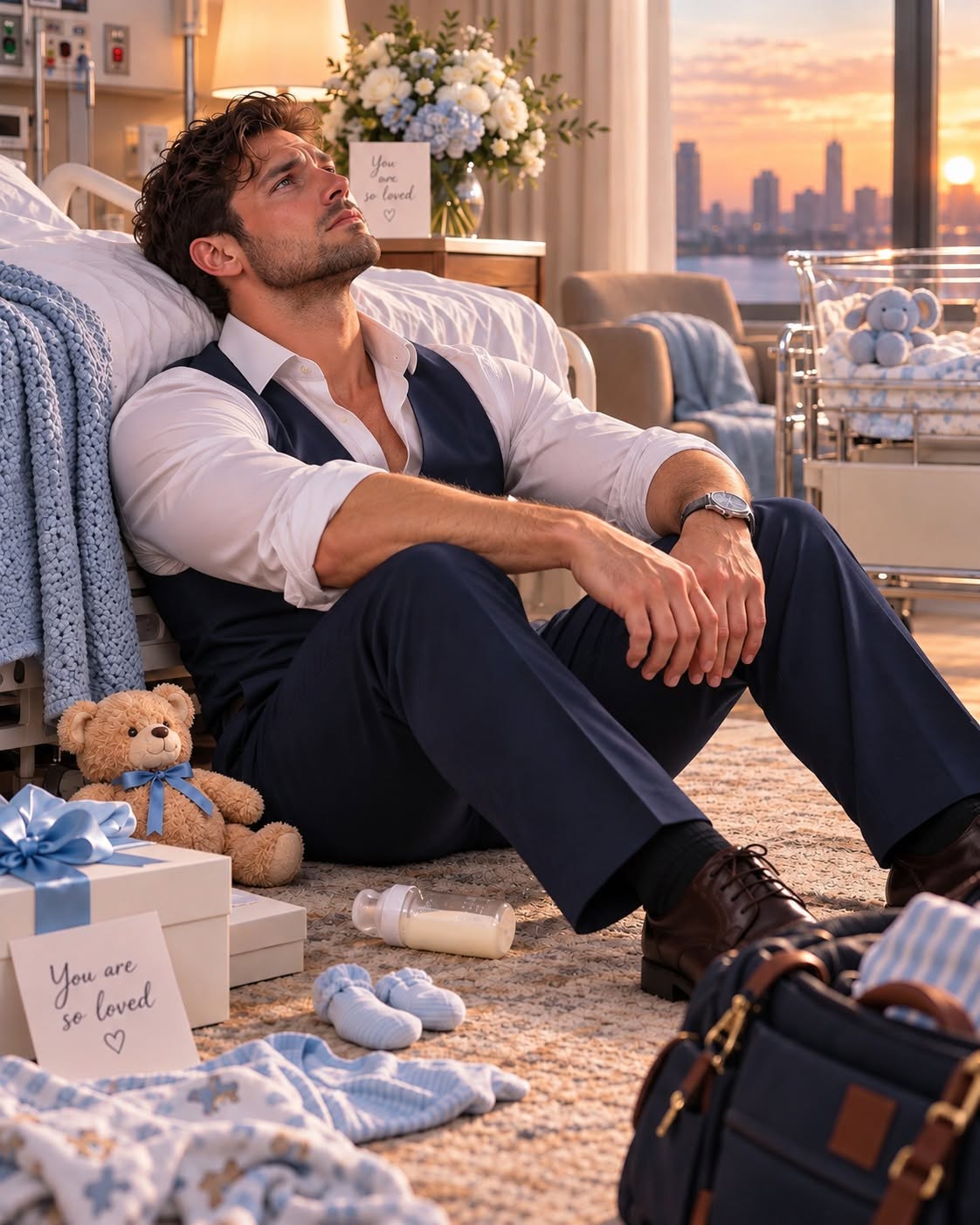
PART 17: The Truth We Could Not Rewrite
I discussed Graham’s request with my lawyer and Owen’s pediatrician.
The clock moved forward at its usual indifferent pace, refusing to mark the importance of what I had just heard.
We considered the child’s safety and the importance of a calm supervised setting.
I saw how easily money could impersonate care when nobody insisted on examining what was missing.
I refused to make a decision based on either guilt or revenge.
There was a time when I would have apologized merely to make the conversation end, even when I had done nothing wrong.
I remembered a hospital nurse who had treated me like a person even when my own husband would not.
I considered the consequences before responding, especially the ones that would reach beyond me.
I had not escaped every consequence of the past, but I had begun to loosen its hold on the future.
The light moved slowly across the floor while I tried to steady the thoughts moving much faster inside me.
I understood the temptation to turn an imperfect moment into a decisive judgment, and I resisted it.
There were wounds I would have to tend slowly, without pretending each new day made the previous one disappear.
I said nothing until I knew I was speaking from conviction rather than from panic.
I felt tired and uncertain and more capable of living my own life than I had felt in years.
I agreed to one short introduction with professional guidance after the divorce hearing.
I placed both feet firmly beneath me, not because it changed the facts but because it helped me meet them.
I made clear that the visit would not restore our marriage.
I waited before speaking because I had learned how easily a careless answer could become another obligation.
Graham accepted the boundaries.
No apology could restore the hours I had spent fearing I would die without seeing Owen grow up.
I remembered how often I had watched a locked front door and waited for a husband who did not come home.
I held back the angry sentence I wanted to say and chose the one I would still believe tomorrow.
I accepted that some things might never be repaired, even when everyone eventually understood how they broke.
I focused on a seam in the fabric beside me until the urge to defend myself began to pass.
I had once called silence peace because I did not know how to ask for anything better.
Even when I was angry, I wanted to make a decision I could defend when the anger finally faded.
I tried to imagine hearing my own words years later, when Owen might be old enough to ask what I had done.
I understood that the next step might be harder than this one, and I intended to take it anyway.
My father worried that Graham might hurt Owen again.
The light moved slowly across the floor while I tried to steady the thoughts moving much faster inside me.
I said I would judge what happened rather than promise trust in advance.
I wanted to answer immediately, but I had promised myself I would no longer confuse urgency with honesty.
I asked my father to trust my judgment.
I had survived an emergency that left me with little patience for manufactured emergencies about reputation or pride.
I remembered the way Graham had described our marriage as an obligation from which he wanted to be released.
I focused on the next useful step rather than trying to settle every injury in a single conversation.
I wanted to remember this moment not as a victory over someone else but as a promise kept to myself.
A distant door closed and reminded me how quickly people could leave a room without resolving what happened inside it.
I wished the truth could arrive without hurting anyone, but I had learned that hiding it hurt people too.
It mattered because Owen would someday live with the consequences of decisions being made before he could speak.
I asked the practical question that lay beneath the emotion, because somebody had to deal with what happened next.
I wanted Owen to inherit a life built from small trustworthy acts, not grand rescues followed by fresh abandonment.
At the hearing I answered the judge’s questions carefully.
For a moment I noticed nothing except my heartbeat and the careful effort of staying present.
The court reviewed the agreement and the baby’s welfare under the law.
I understood the temptation to turn an imperfect moment into a decisive judgment, and I resisted it.
I felt my shoulders relax as the old obligations ended.
My father and I had both confused sacrifice with protection, and the difference now mattered more than ever.
I remembered a Christmas night when I had briefly mistaken tenderness for the beginning of a new life.
I chose not to revisit an argument whose outcome could not change the practical decision before me.
I felt tired and uncertain and more capable of living my own life than I had felt in years.
I let the pause remain because an answer offered out of discomfort would not necessarily be the true one.
I could not rewrite the previous three years, but I could decide what sort of life came next.
There was a time when I would have apologized merely to make the conversation end, even when I had done nothing wrong.
I told myself that a boundary was not an attack, even if another person chose to experience it as one.
I did not feel triumphant; I felt responsible, which was more useful and much harder.
When the divorce was finalized Graham looked at me without speaking.
The silence lasted long enough for me to understand that I did not have to fill it.
I nodded once and did not reach for his hand.
I had once called silence peace because I did not know how to ask for anything better.
I mourned what might have been without wanting it back.
I could not know what the next few years would bring, but I knew which compromises I would no longer accept.
I saw the image of the black folder beside the hospital bassinet as clearly as if both were still in front of me.
I asked whether the proposed solution would still be safe if everyone’s mood changed tomorrow.
I understood that the next step might be harder than this one, and I intended to take it anyway.
The furniture and walls looked painfully ordinary, which somehow made the decision in front of me feel more real.
I reminded myself that protecting Owen did not require me to become cruel.
No apology could restore the hours I had spent fearing I would die without seeing Owen grow up.
I reminded myself that I was allowed to change my mind when new evidence appeared.
I knew that the consequences would unfold slowly and that I would have to meet them one day at a time.
Outside the courthouse rain washed the pavement clean.
The furniture and walls looked painfully ordinary, which somehow made the decision in front of me feel more real.
I took a slow breath and thought of Owen waiting with my father.
I wished the truth could arrive without hurting anyone, but I had learned that hiding it hurt people too.
I was no longer Mrs. Ashford in any way that mattered to my heart.
There were wounds I would have to tend slowly, without pretending each new day made the previous one disappear.
I pictured the small bright room where Owen and I had begun learning what an ordinary life could be.
I left the question open where I did not have enough information to answer it responsibly.
I wanted Owen to inherit a life built from small trustworthy acts, not grand rescues followed by fresh abandonment.
I heard a soft movement beyond the door and thought of the many people whose lives would continue after this choice.
I saw how easily money could impersonate care when nobody insisted on examining what was missing.
I had survived an emergency that left me with little patience for manufactured emergencies about reputation or pride.
I took another moment before answering, determined not to be driven by the need to appear agreeable.
I had not escaped every consequence of the past, but I had begun to loosen its hold on the future.
Graham approached and said he was sorry he had sent me away.
The clock moved forward at its usual indifferent pace, refusing to mark the importance of what I had just heard.
I told him I had chosen where to go and what to become.
I could not rewrite the previous three years, but I could decide what sort of life came next.
He stepped back and let me leave.
Even when I was angry, I wanted to make a decision I could defend when the anger finally faded.
I thought of the baby who had already survived his first day without understanding how deeply he was loved.
I ended the exchange when it stopped producing clarity, because staying longer would not necessarily make it kinder.
I did not feel triumphant; I felt responsible, which was more useful and much harder.
I was aware of every small sound around me, as if my mind were trying to make a record of the moment.
I waited before speaking because I had learned how easily a careless answer could become another obligation.
My father and I had both confused sacrifice with protection, and the difference now mattered more than ever.
I acknowledged the part of the truth that was uncomfortable for me instead of defending a simpler story.
I accepted that some things might never be repaired, even when everyone eventually understood how they broke.
At home I took Owen into my arms and told him we were free.
I placed both feet firmly beneath me, not because it changed the facts but because it helped me meet them.
He smiled at the sound of my voice.
I reminded myself that protecting Owen did not require me to become cruel.
I knew tomorrow would demand a harder kind of courage.
It mattered because Owen would someday live with the consequences of decisions being made before he could speak.
I remembered how our marriage had begun with two families making a bargain and calling it security.
I did not offer forgiveness or condemnation; I asked what concrete action would follow the conversation.
I knew that the consequences would unfold slowly and that I would have to meet them one day at a time.
I let my gaze settle on something ordinary until the first shock became a thought I could actually examine.
I wanted to answer immediately, but I had promised myself I would no longer confuse urgency with honesty.
When Graham asked to see Owen, I looked at the message for a long time before reaching for my attorney’s number.
✓ Lynn R. Adams
PART 17: The Truth We Could Not Rewrite I discussed Graham’s request with my lawyer and Owen’s pediatrician. The clock moved forward at its usual indifferent pace, refusing to mark the importance of…