Chapter 16: PART 16 – The Son He Asked Me to Erase g010
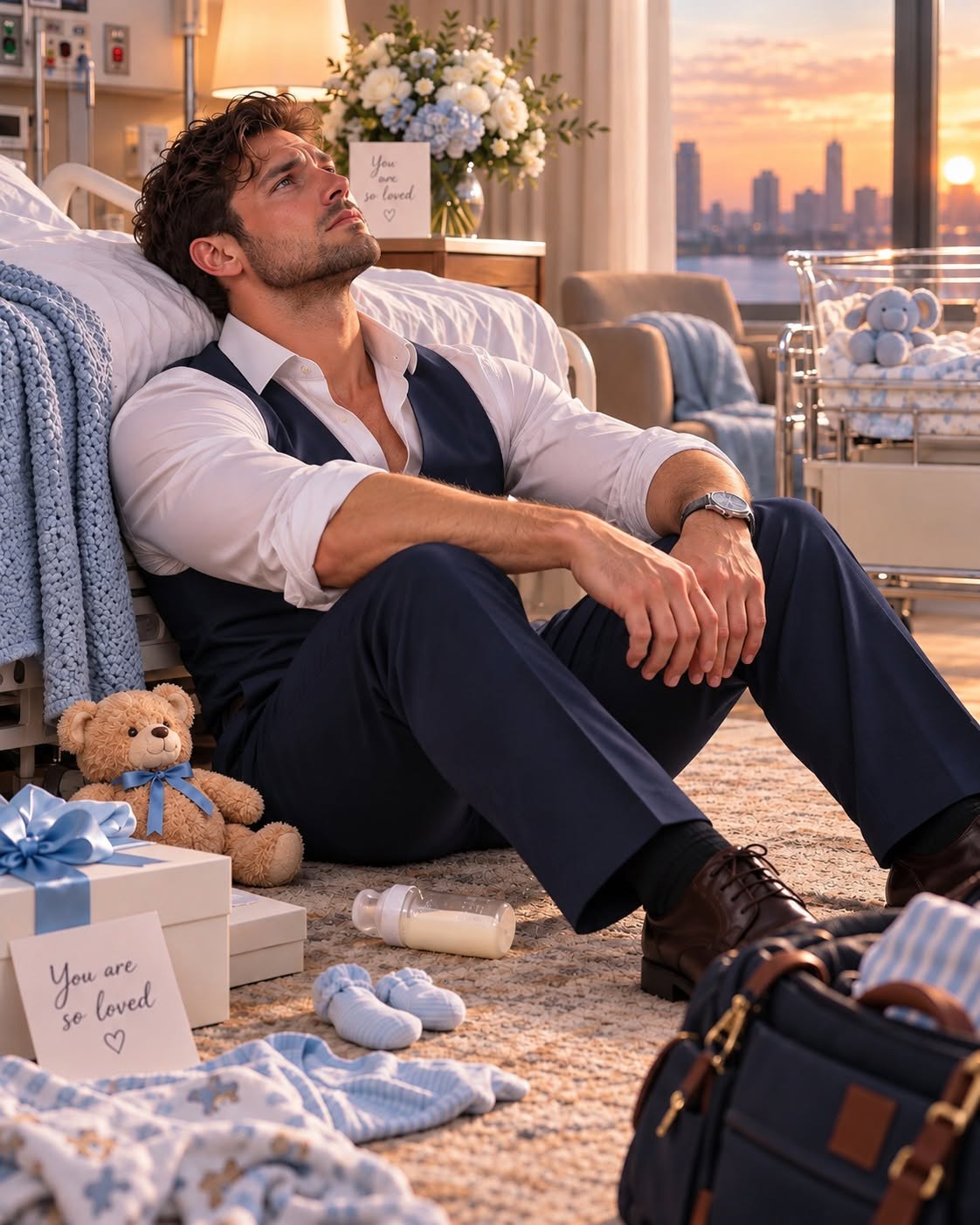
PART 16: When Owen Became the Question
Before the hearing Graham asked whether I thought he could ever be a father.
I let the pause remain because an answer offered out of discomfort would not necessarily be the true one.
I told him that responsibility could begin now but trust would be earned over years.
I took care to remember the exact words because I was tired of being told later that I had misunderstood.
No sentence from me could erase the hospital call.
I had confused endurance with devotion for three years, and I did not intend to teach Owen the same mistake.
I remembered the feeling of choosing my own address rather than accepting the destination Graham demanded.
I tried to imagine hearing my own words years later, when Owen might be old enough to ask what I had done.
I carried the uncertainty forward without giving it permission to rule me.
I caught myself searching for reassurance and decided instead to look at the evidence already in front of me.
I was not asking for a fairy-tale ending, only a life where promises and actions belonged together.
I could care about someone’s pain without handing that person the right to create more pain for me.
I listened to the answer as carefully as I had asked the question, although listening did not mean agreeing.
I did not ask myself whether Graham would approve, and the absence of that question felt like progress.
He acknowledged that his grandfather’s coercion had not forced him to be cruel.
I drew a careful breath and noticed that my shoulders had been lifted toward my ears.
I listened because he had finally stopped assigning blame elsewhere.
I had grown used to calculating Graham’s reactions before my own needs, and that habit would take time to lose.
The change was late but real.
I was learning to recognize genuine change by its willingness to endure limits and disappointment.
I saw Owen asleep in his bassinet, utterly unaware of the family arguments threatening to surround him.
I asked the practical question that lay beneath the emotion, because somebody had to deal with what happened next.
I allowed myself to be afraid without turning the fear into a reason to return to what had hurt us.
I placed both feet firmly beneath me, not because it changed the facts but because it helped me meet them.
I studied the ordinary details around me because they were the only things that did not demand an explanation.
I had learned that a child needed reliability more than beautiful words delivered at dramatic moments.
I wanted my words to be fair, but I no longer expected fairness to sound pleasant to everyone.
I recognized that protecting my son also meant giving myself a chance to recover fully.
I told him he had not simply rejected a marriage.
I caught myself searching for reassurance and decided instead to look at the evidence already in front of me.
He had rejected a child who could not defend himself.
I chose the plainest possible explanation because elaborate ones had so often hidden an uncomfortable fact.
His face changed when I said Owen’s name.
I had been taught to keep the peace, but I was beginning to understand that peace without truth was only delay.
I recalled the first small kindness someone offered after Owen’s birth without asking for anything in return.
I told myself that a boundary was not an attack, even if another person chose to experience it as one.
I was learning that safety was built through repeated choices, not one perfect declaration.
I was tired, but I was no longer willing to let tiredness make my choices for me.
I was frightened by how much a single exchange could change, although I tried not to let fear make the decision.
I was determined not to make Owen’s beginning into the kind of secret that poisoned an entire family.
I reminded myself that a decision could be compassionate without being generous at my own expense.
I would learn what I could and change what I must, without surrendering the line I had finally drawn.
Graham asked whether I hated him.
I let my gaze settle on something ordinary until the first shock became a thought I could actually examine.
I said I no longer organized my days around him.
I was not asking for a fairy-tale ending, only a life where promises and actions belonged together.
He looked as though he expected anger and found distance harder.
The point was not to punish Graham, whose choices would remain his own no matter what I said.
I thought of Graham’s voice on the telephone, cool and precise while the nurses worked to keep me alive.
I reminded myself that I was allowed to change my mind when new evidence appeared.
I did not ask myself whether Graham would approve, and the absence of that question felt like progress.
The air was cool against my wrists, a small physical reminder that the world continued beyond this conversation.
I felt two opposing things at once, and I allowed both to exist without demanding that one win.
I had confused endurance with devotion for three years, and I did not intend to teach Owen the same mistake.
I made a note of what had actually been agreed so that memory would not become another battleground.
I would have to explain some of these choices one day, but I no longer feared explaining the truth.
He offered to transfer the old mansion into Owen’s name.
I could hear the faint mechanical noise of the building and the uneven rhythm of my own breathing.
I declined because a large empty house was not a childhood.
I studied the ordinary details around me because they were the only things that did not demand an explanation.
I asked him to meet his actual obligations.
One day Owen might ask why I had chosen this path, and I wanted to be able to answer without looking away.
I pictured Owen’s tiny fist opening against my finger, a movement more persuasive than any speech.
I took another moment before answering, determined not to be driven by the need to appear agreeable.
I recognized that protecting my son also meant giving myself a chance to recover fully.
I looked toward the window, where ordinary life carried on without knowing what had just changed for mine.
I knew the law and the heart were separate things, and neither could do the other’s work.
I was learning to recognize genuine change by its willingness to endure limits and disappointment.
I said what I needed to say in a measured voice, then stopped rather than softening the meaning.
I could not know if the decision would look wise from a distance, but I knew it was an honest one.
We discussed how Owen might one day learn the truth.
I looked toward the window, where ordinary life carried on without knowing what had just changed for mine.
I said I would tell him plainly without inventing villains or heroes.
I was frightened by how much a single exchange could change, although I tried not to let fear make the decision.
Graham agreed to answer honestly if the time came.
I could care about someone’s pain without handing that person the right to create more pain for me.
I thought of the factory workers whose livelihood had once been used to justify my marriage.
I acknowledged the part of the truth that was uncomfortable for me instead of defending a simpler story.
I would learn what I could and change what I must, without surrendering the line I had finally drawn.
The silence lasted long enough for me to understand that I did not have to fill it.
I took care to remember the exact words because I was tired of being told later that I had misunderstood.
I had been taught to keep the peace, but I was beginning to understand that peace without truth was only delay.
I let my answer be short enough that nobody could mistake it for an invitation to negotiate away my needs.
I carried the uncertainty forward without giving it permission to rule me.
I returned to my apartment and watched Owen take a clumsy reach toward a toy.
I let the pause remain because an answer offered out of discomfort would not necessarily be the true one.
I was suddenly overwhelmed by the ordinary miracle of his growth.
I felt two opposing things at once, and I allowed both to exist without demanding that one win.
Nothing in that room required Graham’s approval.
I had learned that a child needed reliability more than beautiful words delivered at dramatic moments.
I remembered how easy it had been for the Ashfords to talk about people as though they were entries in a ledger.
I let the facts remain plain instead of dressing them in language meant to protect somebody’s pride.
I would have to explain some of these choices one day, but I no longer feared explaining the truth.
Somewhere nearby, someone laughed at something harmless, and the sound struck me as evidence that life could still be simple.
I had grown used to calculating Graham’s reactions before my own needs, and that habit would take time to lose.
The point was not to punish Graham, whose choices would remain his own no matter what I said.
I made room for uncertainty without allowing it to become an excuse for doing nothing.
I allowed myself to be afraid without turning the fear into a reason to return to what had hurt us.
The evening before court Graham sent one more message.
I drew a careful breath and noticed that my shoulders had been lifted toward my ears.
He wrote that he wanted to see Owen for the first time.
I knew the law and the heart were separate things, and neither could do the other’s work.
I knew my answer could change the shape of our future.
I was determined not to make Owen’s beginning into the kind of secret that poisoned an entire family.
I remembered my father’s words that I did not have to go anywhere simply because Graham wanted me gone.
I said nothing until I knew I was speaking from conviction rather than from panic.
I could not know if the decision would look wise from a distance, but I knew it was an honest one.
I wished I could step outside the moment and see it with the clarity that might come years later.
I chose the plainest possible explanation because elaborate ones had so often hidden an uncomfortable fact.
One day Owen might ask why I had chosen this path, and I wanted to be able to answer without looking away.
The hearing date was set, and suddenly the end of my marriage was no longer an idea but a day on the calendar.
✓ Lynn R. Adams
PART 16: When Owen Became the Question Before the hearing Graham asked whether I thought he could ever be a father. I let the pause remain because an answer offered out of discomfort would not neces…